Judge Dismisses the Justice Department's Suit for Harvard Applicant Records, Finding the Government Skipped the Steps It Must Take Before Suing
Judge Myoung J. Joun did not rule on whether the records request is valid or whether the suit was retaliatory: 'Those questions remain open.' The government could sue again if it fixes the procedural defects.
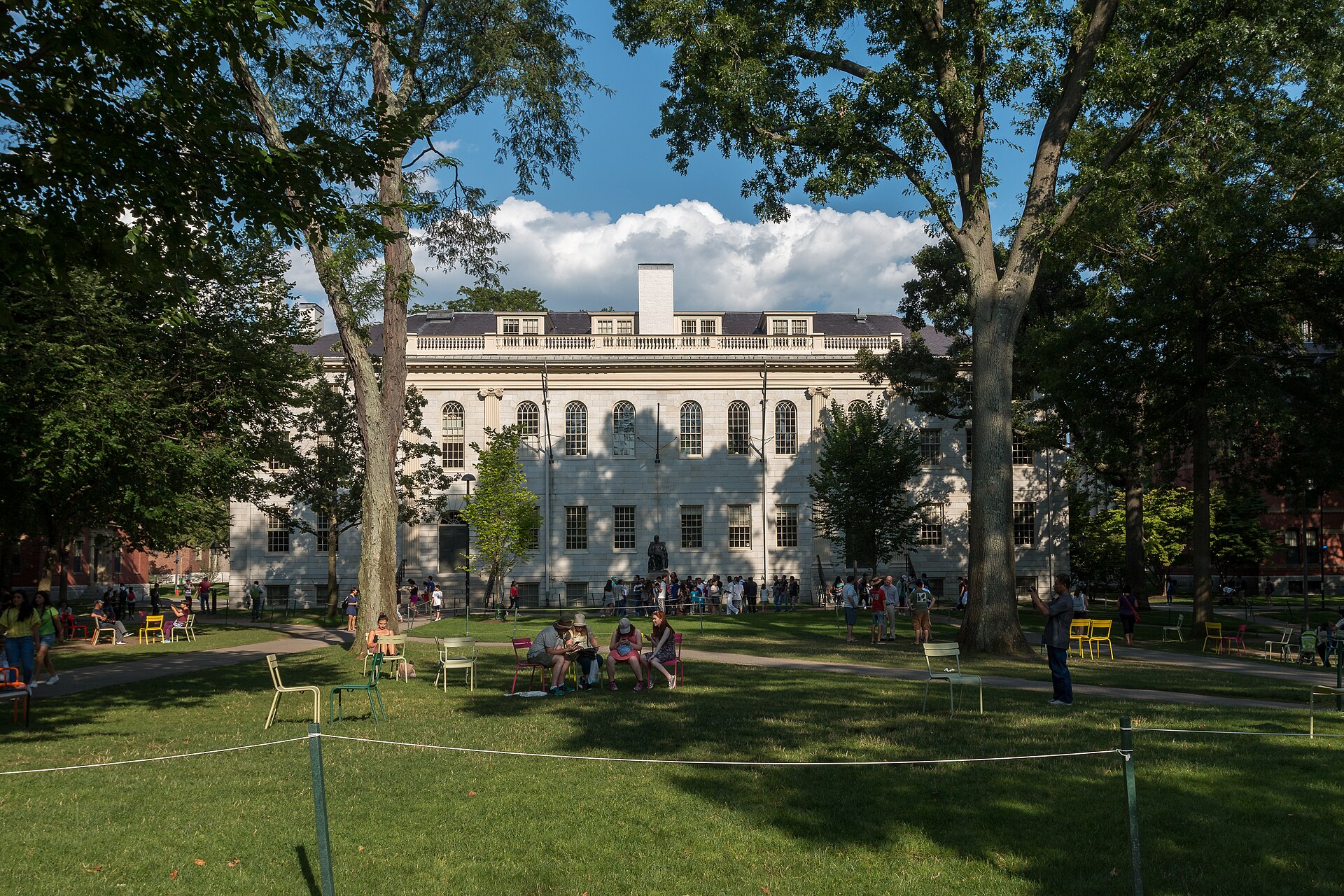
A federal judge in Boston on Monday dismissed a Trump administration lawsuit seeking individual applicant records from Harvard University, finding that the government failed to meet procedural requirements before suing, The Harvard Crimson reported.
U.S. District Judge Myoung J. Joun's 10-page opinion did not rule on the merits of the records request, leaving open the possibility that the government could file a new lawsuit if it corrects the procedural missteps, according to the Crimson.
<h3>The dispute</h3>
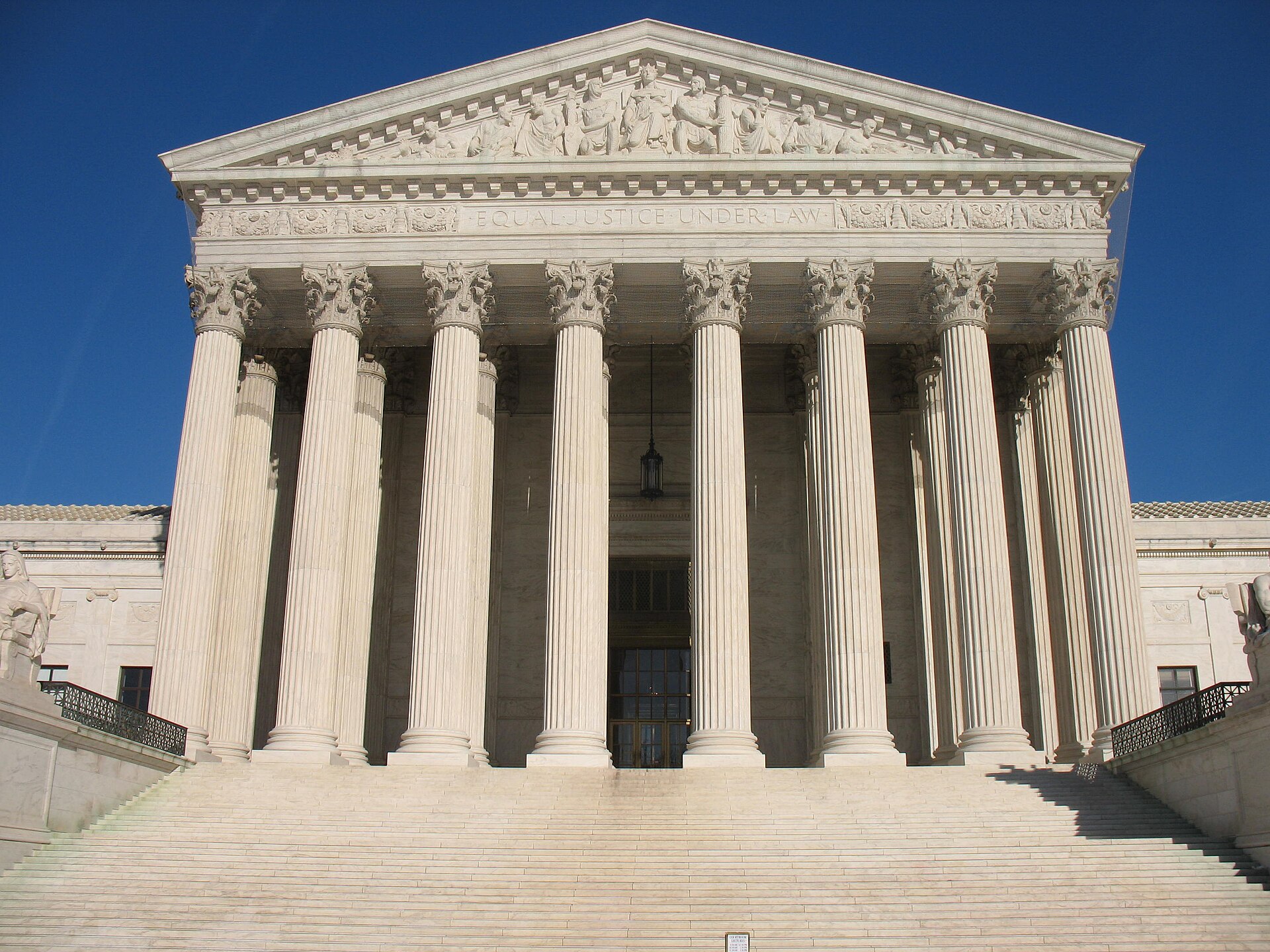
The case centers on whether Harvard must turn over applicant-level admissions data to show it is complying with the Supreme Court's 2023 decision barring race-conscious admissions. The Justice Department sued in February to compel production, arguing that Harvard had 'thwarted' and 'slow-walked' a federal civil rights review by missing deadlines on multiple records requests, the Crimson reported.
Harvard asked the court in June to dismiss the case on procedural grounds. Joun granted that request Monday, finding the department failed to show it took the steps required to seek voluntary compliance before moving to judicial enforcement.
<h3>The two defects</h3>
Joun cited two shortcomings in the government's complaint, according to the Crimson: it did not allege that the Justice Department had told Harvard it would sue if the university did not comply, or that the department had communicated 'the specific failure identified' to Harvard.
'A deadline and a threat to sue, standing alone, do not necessarily demonstrate compliance with the regulatory voluntary-compliance process where the agency seeks to enforce disputed demands for extensive information,' Joun wrote.
He also found that the Education Department failed to follow proper procedural steps before folding its own admissions investigation into the Justice Department lawsuit in May, the Crimson reported.
At a September oral argument, Joun had expressed skepticism about the government's efforts to negotiate before suing, at one point describing its stance as an 'ultimatum.'
<h3>The two sides</h3>
Harvard has maintained that it provided the government with as much information as possible, more than 2,000 pages of documents, without divulging individualized records, which it says are privileged. Its lawyers have also argued that the Justice Department abandoned negotiations prematurely in favor of litigation to advance a retaliatory campaign against the university for rebuffing the administration's demands last year, according to the Crimson. That is Harvard's argument; the court did not decide it.
Legal experts have separately said the government's request could run up against the Family Educational Rights and Privacy Act, the federal law restricting access to educational records, the Crimson reported.
Harvard, the Education Department and the Justice Department did not immediately respond to the Crimson's requests for comment.
<h3>The timeline</h3>
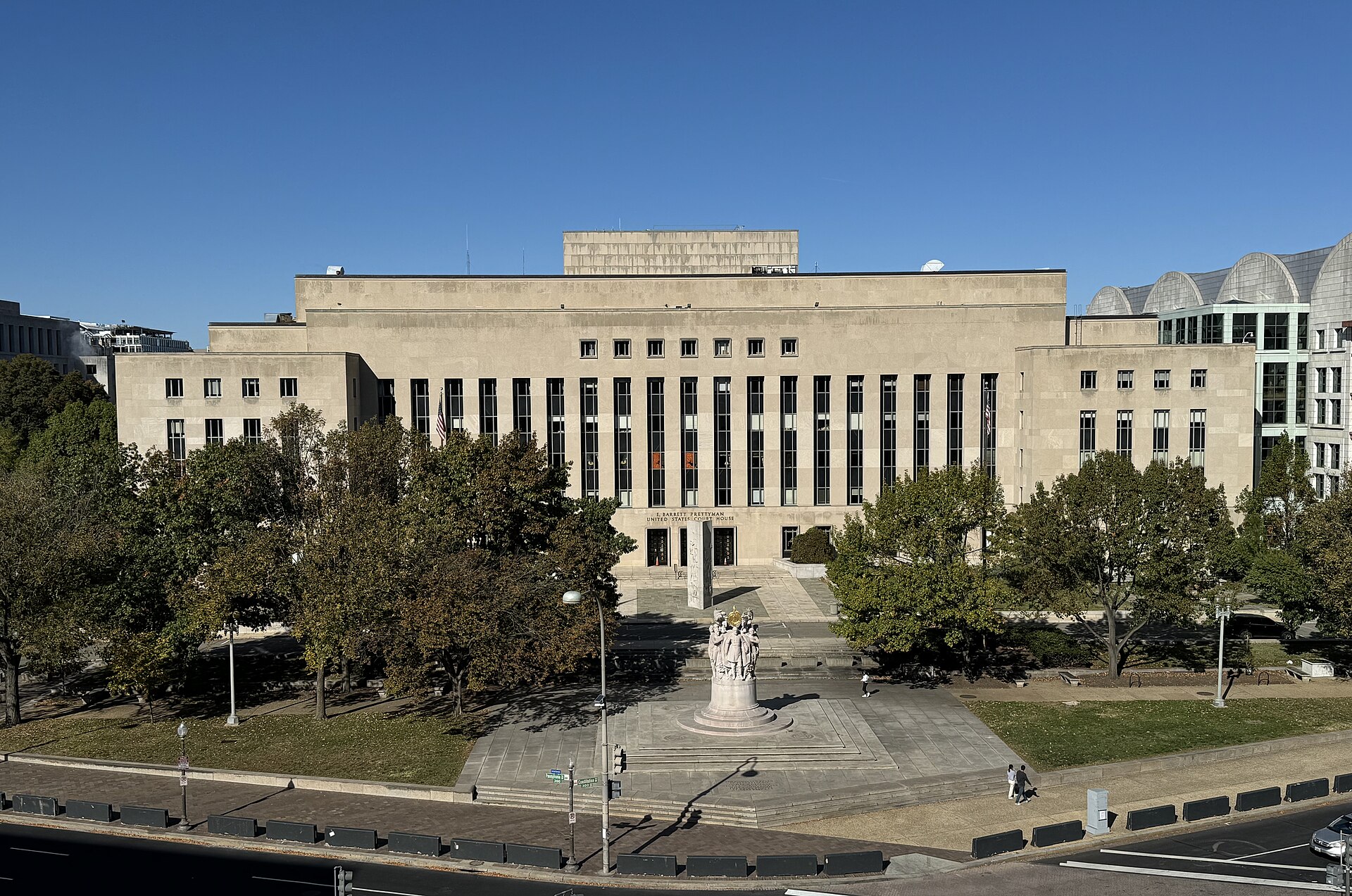
Laid end to end, the case moved over nine months: the Justice Department filed suit in February; the Education Department folded its own admissions investigation into the suit in May; Harvard moved to dismiss in June; Joun heard oral argument in September and questioned the government's negotiating stance; and on Monday, Nov. 2, he granted the motion, according to the Crimson's account of the record. Joun sits in the U.S. District Court for the District of Massachusetts in Boston.
<h3>What the ruling leaves open</h3>
Joun's ruling did not address the validity of the records request or whether the lawsuit was brought 'for an improper or retaliatory purpose.' 'Those questions remain open,' Joun wrote. 'Nothing in this decision converts the Government's request for information into an accusation of present discrimination or resolves Harvard's underlying Title VI compliance.'
<h3>The context</h3>
The dismissal came less than a week after Harvard College released demographic data for its Class of 2030 showing that the share of enrolled Black students fell for the third consecutive year since the Supreme Court's affirmative action ruling, to 9.3 percent, while the share of Asian American students rose to 43.2 percent, according to the Crimson.
The case is one of several legal fights between Harvard and the administration. Monday's ruling ends this lawsuit in its current form, but because the dismissal rests on procedure, the government may file again after following the required voluntary-compliance steps. As of early Tuesday, no new filing or appeal had been reported.
Applicant records are among the most sensitive data a university holds. Any future suit would likely renew the dispute over how much individualized information a federal civil rights review can demand, and whether federal privacy law limits that demand.