Hours Before Polls Opened, Judge Chutkan Barred the Government From Sending States Its Noncitizen Voter Lists, or Telling Them to Act on the Ones Already Sent
The order covers California's roughly 21,000 challenged names, about 400 in Washington and the 17,000 more the Justice Department suggested it had found. The judge found the government likely violated privacy and rulemaking laws.
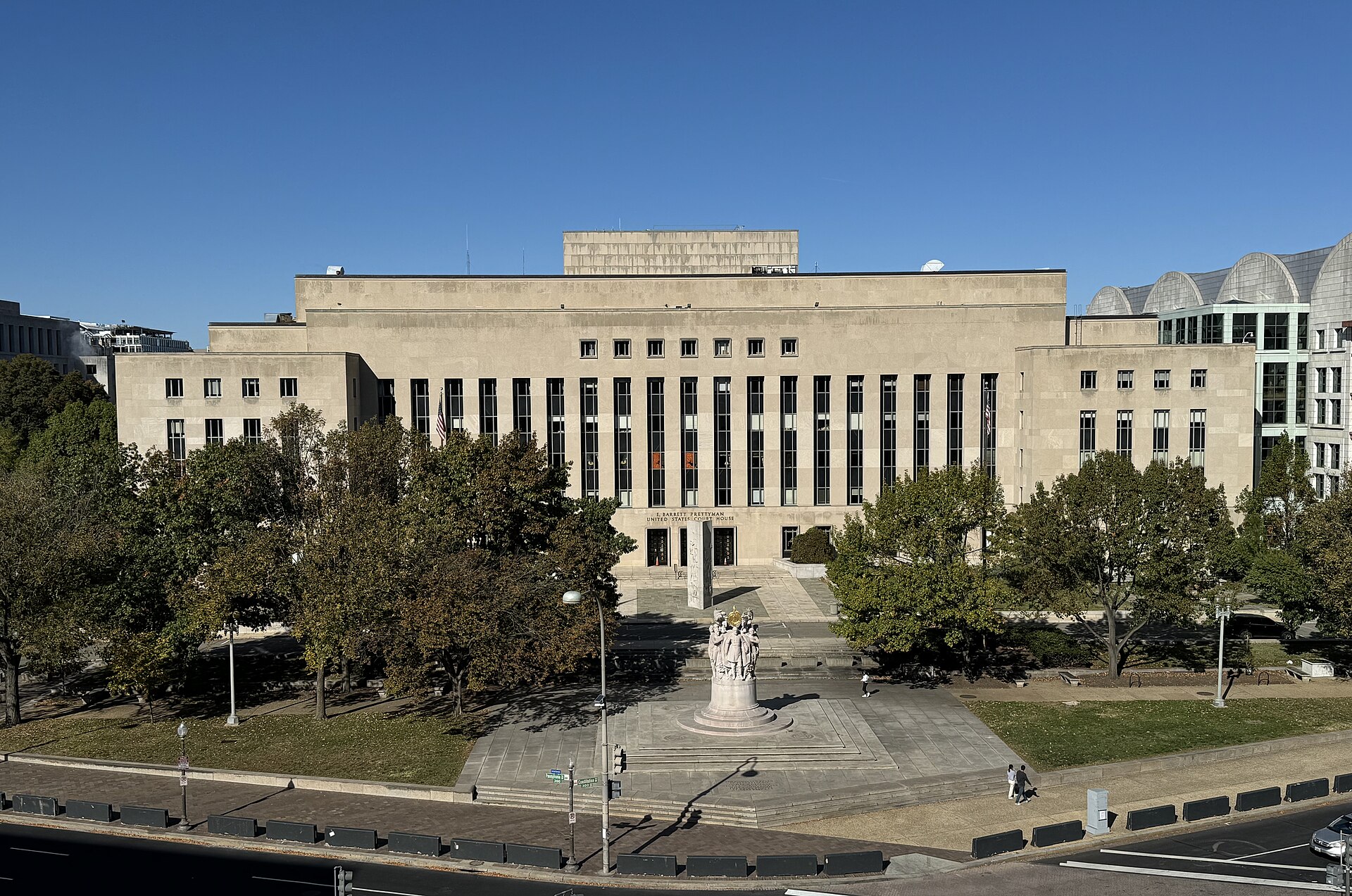
A federal judge in Washington on Monday ordered the Trump administration to stop pressuring states to investigate, set aside or refuse to count ballots from people it claims are ineligible to vote, issuing the order hours before Election Day, according to Democracy Docket and Reuters.
U.S. District Judge Tanya Chutkan temporarily barred the Justice Department and the Department of Homeland Security from sending states lists of registered voters the administration says may not be citizens, and from asking state election officials to separate out those voters' ballots or not count them until citizenship is proven, Reuters reported.
Chutkan found the administration likely violated federal privacy and rulemaking laws by creating and disseminating the lists, according to Democracy Docket. The judge barred the government from sharing the lists with any additional states, localities or outside parties and blocked it from directing states that already received them to act on them.
<h3>Who sued, and over what</h3>
The ruling came in a case brought by the League of Women Voters, the League of United Latin American Citizens and the Electronic Privacy Information Center, which are challenging DHS's effort to collect millions of Americans' voter records as part of a nationwide investigation into what Democracy Docket described as unsubstantiated claims of voter fraud.
The Justice Department said in a court filing on Saturday that its letters to California and Washington were part of an effort to enforce the federal law banning noncitizen voting and did not amount to a distinct policy subject to review by a federal court, Reuters reported. Chutkan's order rejects that position for now; it is a temporary order, not a final judgment.
<h3>The lists at issue</h3>
So far, the administration has sent such lists to California and Washington, according to Democracy Docket. The Justice Department is challenging nearly 21,000 potential votes in California and has suggested it may have identified another 17,000 alleged noncitizens. In Washington, it demanded that officials set aside possible ballots from around 400 people it claims are noncitizens.
Those numbers are the government's claims. In California, county officials found that many people on the federal list did not have active registrations, and a UCLA Voting Rights Project analysis found that 42 percent of the names did not appear on the state's current voter roll and that the list included naturalized citizens, NPR reported.
<h3>The same day at the Supreme Court</h3>
Chutkan's ruling arrived alongside a separate defeat for the administration. On Monday evening, the Supreme Court denied, without noted dissent, the Justice Department's emergency request to force California to segregate the ballots of about 20,000 alleged noncitizens, after a district judge and a divided 9th Circuit panel had refused, according to CBS News and SCOTUSblog.
The two rulings address different questions. The Supreme Court order concerned whether California must physically separate ballots while the government's lawsuit there proceeds. Chutkan's order concerns whether the federal government may distribute its lists and press states to act on them at all, under federal privacy and administrative law.
For voters, neither ruling changes how to cast a ballot on Tuesday. Eligibility rules, registration deadlines and polling hours are set by each state, and local election offices remain the authority on whether a given ballot is counted.
<h3>A busy docket for one judge</h3>
Chutkan also issued a separate order Monday in a different case, setting notification deadlines before any construction can begin on President Donald Trump's proposed memorial arch, The Associated Press reported. She said she must be told within an hour of any decision by the National Capital Planning Commission, and set the same time limits for decisions by the National Park Service and the Interior Department.
<h3>The underlying claim</h3>
President Trump has alleged, without evidence, that noncitizens are influencing election outcomes by voting illegally, USA Today has reported. Noncitizen voting in federal elections is a crime, and all available evidence shows it is exceedingly rare, Reuters reported.
<h3>What comes next</h3>
The administration can appeal Chutkan's order. As of early Tuesday, no appeal had been reported in the sources reviewed. The order's practical effect on Election Day is that states that received lists may not be directed by the federal government to act on them while it is in force. Whether the Justice Department pursues its California and Washington challenges after the election, and whether any person on the lists is ultimately shown to be a noncitizen, remain open questions.
Sources
- Democracy Docket: Judge orders Trump administration to stop challenging votes with noncitizen lists (Nov. 2) (opens in a new tab)
- Reuters via Investing.com: Judge blocks Trump administration from pressuring states over noncitizen voting (opens in a new tab)
- NPR: Supreme Court rejects DOJ push to separate California ballots (opens in a new tab)
- CBS News: Supreme Court rejects Trump's effort (opens in a new tab)
- AP News: Judge complicates construction timeline on Trump's memorial arch (opens in a new tab)