UNIFIL Has 65 Days Left Under Resolution 2790; the Security Council Has Not Settled What Replaces It
The U.N. peacekeeping force in southern Lebanon is scheduled to end its mandate Dec. 31. The Council's own monthly forecast lists the open proposals and the disagreements that remain.
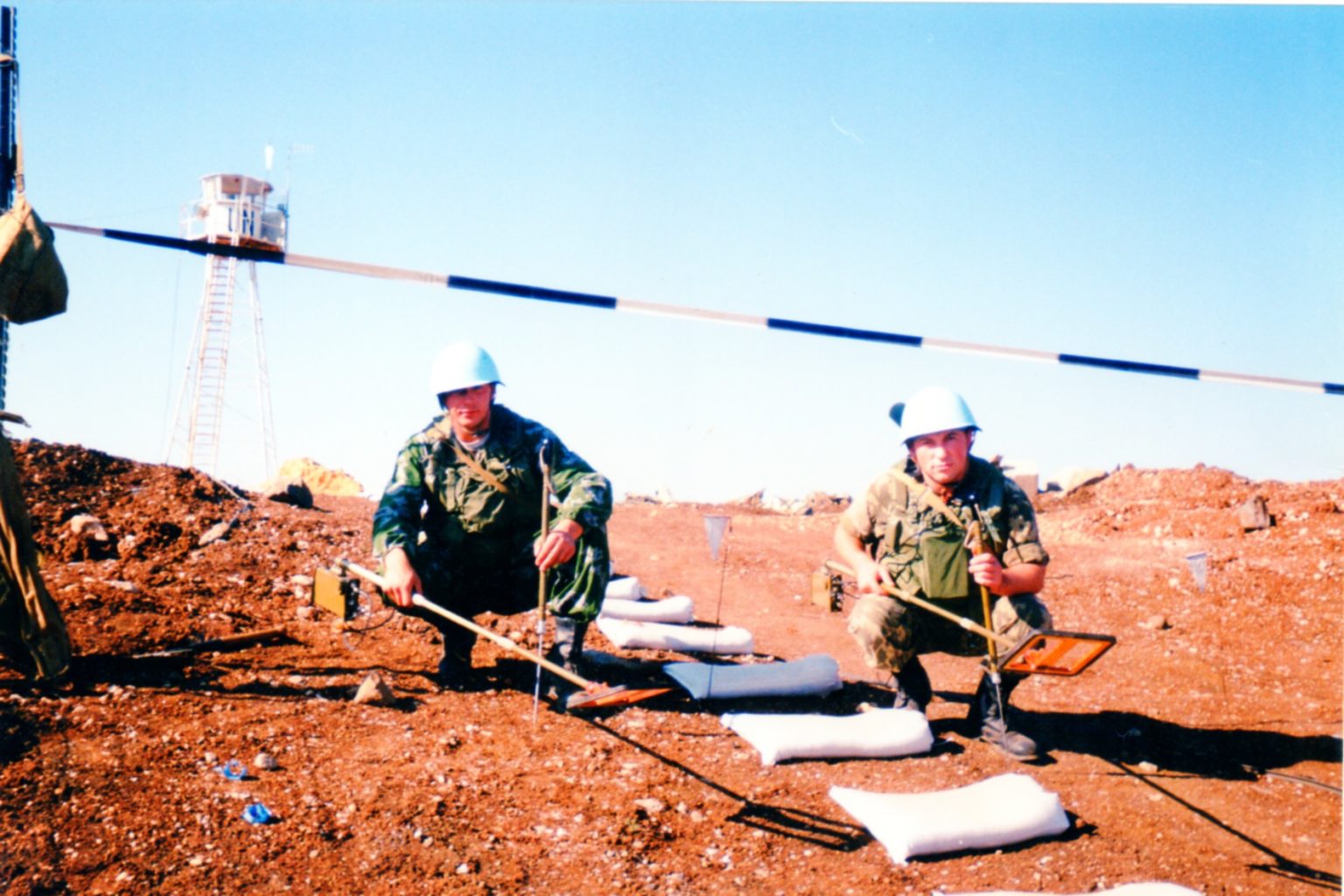
The U.N. Interim Force in Lebanon, known as UNIFIL, has 65 days left under a Security Council resolution that set its final mandate to expire Dec. 31, and the Council has not decided what, if anything, will take its place, according to the Security Council Report's October forecast on Lebanon, which tracks the Council's work.
The deadline comes from Resolution 2790, adopted unanimously in August 2025. It extended UNIFIL's mandate "for a final time until 31 December" and directed the mission to begin an orderly drawdown and full withdrawal from that date, "and within one year," the forecast says. The resolution also asked the Secretary-General to explore by June 1, 2026, "options for the future of the implementation of resolution 1701," the 2006 resolution that called for a cessation of hostilities between Israel and Hezbollah. The forecast says the negotiation highlighted sharp divisions. The United States signaled it was ready to veto a renewal that lacked a clear end date, while the other 14 members argued for conditions on the ground. The compromise was a final, 16-month renewal.
Since then, the security situation has changed. According to the forecast, hostilities between Israel and Hezbollah escalated on March 2, shortly after U.S.-Israeli attacks on Iran on Feb. 28. Lebanon, Israel and the United States signed a Trilateral Framework on June 26 intended to end the escalation, and under it Lebanese Armed Forces would gradually take over security in "pilot zones" in southern Lebanon once a "mutually agreed-upon third-party entity" verified that no armed groups were present. The forecast says that entity has not been chosen, that hostilities have continued in southern Lebanon despite the framework, and that the framework does not mention the Security Council, its resolutions or any role for UNIFIL or a successor force.
The Secretary-General's spokesperson said in a Sept. 3 update, as summarized by the forecast, that UNIFIL recorded an increase in violence in August, including daily Israeli violations of Lebanese airspace, airstrikes and ground activity. The forecast quotes a Sept. 8 statement from the Secretary-General condemning "mounting civilian casualties" and noting he was "particularly alarmed by reported Israeli strikes affecting hospitals." It also reports that the U.N. racial-discrimination committee said in August that Israeli operations in Lebanon since March 2 had led to the deaths of 4,300 people, and that it also expressed concern over Hezbollah rockets fired into populated areas of Israel. Those are the committee's figures as reported by the forecast.
Several proposals are on the table. France's Emmanuel Macron and Italy's Giorgia Meloni announced on June 25 an initiative for an "international coalition to support Lebanon" after the mission closes, though the forecast says its contours are not defined. The European Union has been planning a civilian-military mission to advise and train Lebanon's army and internal security forces, which, according to media reports cited by the forecast, would not deploy to southern Lebanon or take over UNIFIL's tasks. The forecast also reports a Sept. 17 meeting in Paris of French, Jordanian and Lebanese officials and others on the army's needs.
Lebanon has said it is open to a limited extension. In an Aug. 26 letter to the Secretary-General, it said UNIFIL's termination "requires a careful re-examination" to avoid a security vacuum and that extending UNIFIL's current arrangement "for a limited period of time" appears "the most practical option." Prime Minister Nawaf Salam told the General Assembly on Sept. 25 that a successor force should ensure "the continuation of monitoring, reporting and liaison functions."
The Council is split. The forecast says most members believe developments since the resolution require a sustained international presence after December and that many would support a temporary extension. The United States, however, "seems unwilling to revisit its position on the mission's drawdown." It notes that Russia does not see Hezbollah as the primary problem and has focused its criticism on Israel, while several other members have accused Hezbollah of dragging Lebanon into a confrontation.
One option the forecast lays out is a resolution postponing UNIFIL's drawdown for six months on an exceptional basis, which it says would give members time to consider options while "avoiding a security vacuum." Another is a closed Arria-formula meeting, an informal session, on the consequences for civilians of a vacuum in southern Lebanon. The Council has not adopted either. Resolution 2790 itself provides for the withdrawal to take up to a year after Dec. 31, so peacekeepers would not all leave on that date.
The count of 65 days runs from Tuesday, Oct. 27, to Dec. 31. The forecast was posted Oct. 1 and does not reflect any decision since; Boston Uncut did not find a Council vote on Lebanon scheduled in the sources reviewed.