Oleshky Truce: White House Gave an Oct. 29 Start, Reports Say It Began Tuesday, and Population Figures Differ
A comparison of the White House's Oct. 23 statement with Tuesday's BBC reporting shows different start dates and different counts of children left in the occupied city.
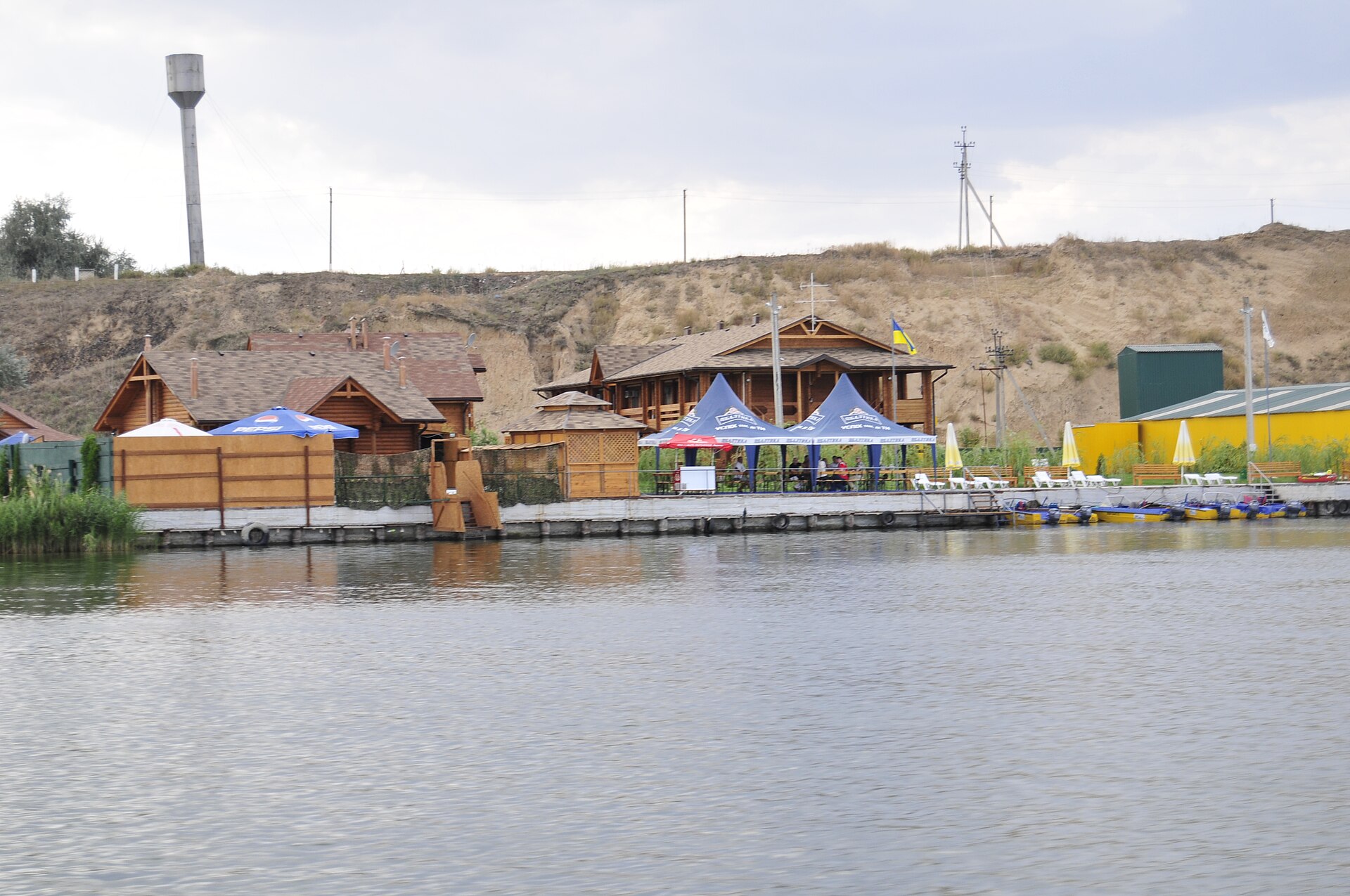
A limited ceasefire in the Russian-occupied Ukrainian city of Oleshky has begun, the BBC reported Tuesday, citing Ukrainian officials and Russia's defense ministry, who said the truce is being respected. That is two days before the date the White House gave when it announced the arrangement: its Oct. 23 statement said the localized ceasefire "will begin on October 29, 2026." Neither account explains the difference.
The White House statement credits First Lady Melania Trump, who it says secured a ceasefire "between Russia and Ukraine, localized to the city of Oleshky," in her "formal role as Exclusive Intermediary." It says both nations agreed "to temporarily stop all military action in Oleshky to allow for humanitarian aid to enter and to prepare a civilian evacuation through a designated safe passageway." The statement says the situation came to her attention at an event in New York during the U.N. General Assembly and that she used a communication channel built through "the previous six reunifications of 34 children." The statement also says an "impartial American media organization" will accompany Russian and Ukrainian teams. It names no organization.
The BBC reported that the Russian defense ministry said it stopped firing toward the Ukrainian city of Kherson, across the Dnipro River from Oleshky, at 4 a.m. Moscow time, in preparation for the humanitarian operation, and that units were clearing access roads of "explosive and booby-trap devices." Ukraine's military general staff said silence was being observed for humanitarian purposes. Kyrylo Budanov, head of President Volodymyr Zelensky's office, said Tuesday that "it is critically important that this mission to rescue our people proceeds successfully and safely." Ukraine's human rights commissioner, Dmytro Lubinets, traveled to the area and described the effort as a mission mediated by the first lady in cooperation with Russia's human rights commissioner, Yana Lantratova, according to the BBC. The BBC said a civilian evacuation is planned for Friday.
The two documents also give different pictures of who is left. The White House says an estimated 1,700 to 2,000 residents remain, "primarily older people," along with "approximately 50 children," and that no formal demographic count has been made since 2022. The BBC, citing Kyiv, reports that up to 6,000 people including 200 children remain in Oleshky and its surrounding areas, with only 1,700 still living in the city itself. The two statements agree on a pre-war population of roughly 24,000. The 1,700 figure appears in both, but the White House's range extends to 2,000 and its child count is a quarter of Kyiv's. The BBC did not say how Kyiv arrived at its numbers, and the White House noted its figures are estimates.
Conditions are described in both. The White House says residents have limited electricity, live amid mined roads and endure regular military attacks, and that about 90 percent of the city's territory flooded after the Kakhovka Dam was destroyed. The BBC reports that the city has been without electricity, gas or water for three years, that no shops are open, and that residents have cooked garden weeds to survive. The BBC said communications are patchy and that residents are reluctant to speak for fear of reprisals, which makes the truce's implementation hard to verify independently.
The evacuation itself raises questions the statements leave open. The White House says residents who want to leave "will receive coordinated support and transportation to their preferred destination," and the first lady anticipates "some will want to go to Russia, and some to Ukraine." Zelensky has warned, according to the BBC, that routes demined by Russia mean civilians leaving would "head towards Russia and stay there," though he said some would reach Ukrainian-held territory "one way or another." The BBC reported that details on how to register were initially unclear, and that some residents fear they may be unable to return to Ukraine or could face phone searches. One resident told the BBC, "I don't believe in Russia's humanity."
Fighting elsewhere has not stopped. The BBC reported that attacks on Kyiv on Monday evening hit a university and a bridge, killing one person and injuring 14, and that a Ukrainian drone strike on Bryansk killed one person and injured six. Pope Leo XIV appealed earlier this month to Russia's Vladimir Putin to allow food, medical aid and a safe evacuation into Oleshky, the BBC said. The Kremlin acknowledged last month that Oleshky faced "a critical situation" and blamed Kyiv for it.
Boston Uncut could not confirm from the documents reviewed why the truce began before the White House's stated start date. Neither source gives an end date for the truce, which the BBC says is meant to allow aid in and roads to be cleared ahead of Friday's planned evacuation.