Israelis Vote in Knesset Election With Record Noon Turnout; Final Polls Show Neither Bloc at 61 Seats
The first parliamentary election since the Oct. 7, 2023, attack pits Prime Minister Benjamin Netanyahu's coalition against an opposition led by former army chief Gadi Eisenkot.
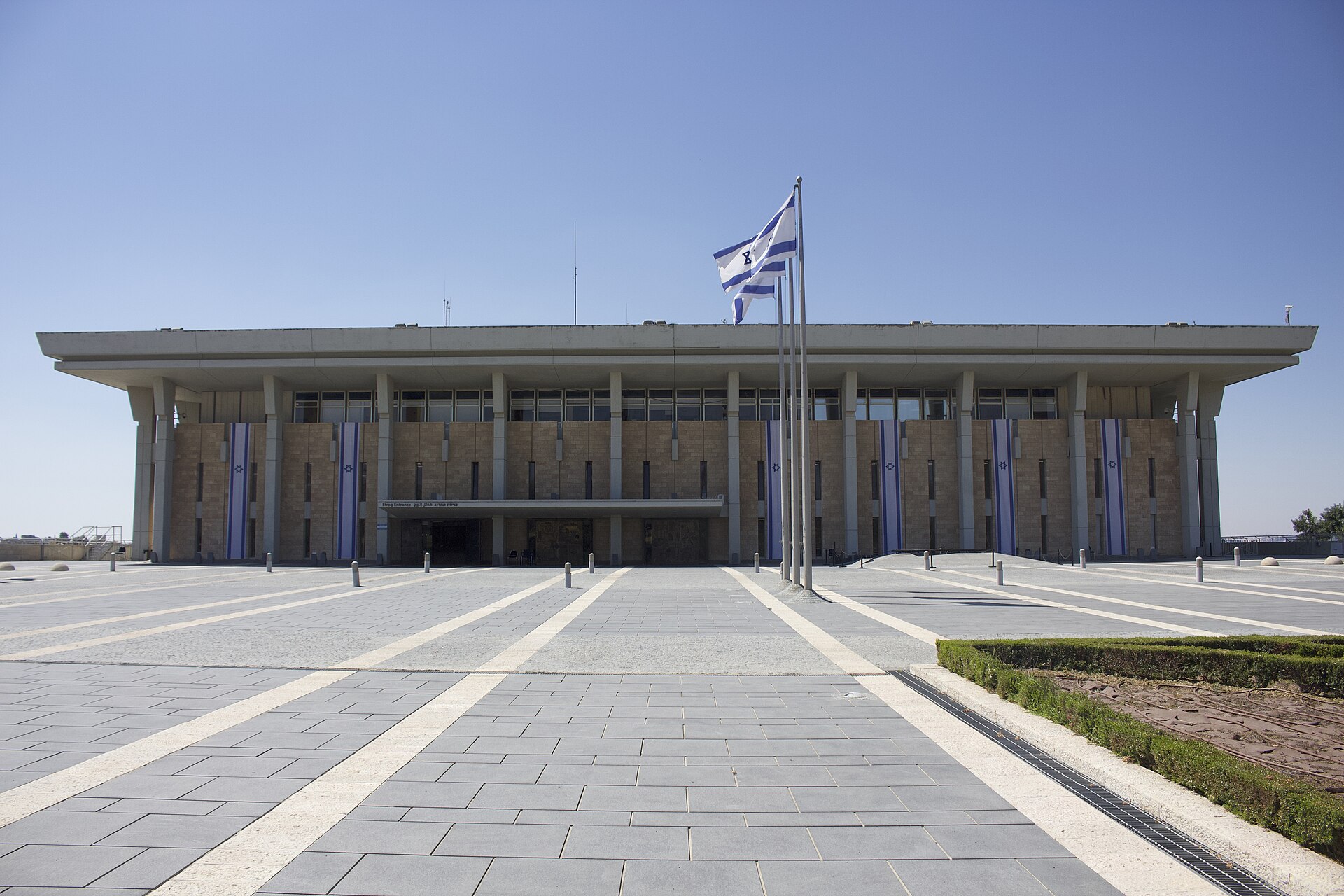
Israelis voted Tuesday in the election for the 26th Knesset with 31.5 percent of eligible voters having cast ballots by noon, the highest noon turnout recorded since 1977, according to the Central Elections Committee, as reported by the Jewish Telegraphic Agency.
It is the first parliamentary election since Hamas's Oct. 7, 2023, attack. Prime Minister Benjamin Netanyahu framed it Sunday as a fight for "Israel's existence," JTA reported, while analysts told the agency the vote was more about the future character of the country as a democratic and liberal state. "It's a referendum about Israeli democracy," said Udi Sommer, a political science professor who heads the Barak Leadership Center at Tel Aviv University. "It's also about Netanyahu's performance and accountability for the people who were in charge on Oct. 7." Netanyahu's coalition of far-right and ultra-Orthodox parties was in office when the attack occurred.
Facing Netanyahu's bloc is an ideologically diverse opposition led by former army chief Gadi Eisenkot, whose party is called Yashar. According to the final public opinion polls, published Friday, neither main bloc is projected to win the 61 seats needed for a majority in the 120-seat Knesset, JTA reported. Most polls put Netanyahu's bloc at around 50 seats, with Eisenkot's party and its potential partners better positioned but still short. The two Arab-majority groupings, the Joint List and Ra'am, are projected to win a combined 14 or 15 seats, and neither is expected to join a government led by Netanyahu. Some analysts told JTA one or both could support an opposition-led minority government, though terms are uncertain.
Three smaller parties are near the electoral threshold: Amcha Yisrael, the Reservists and the Haredi Public Party. Each needs at least 3.25 percent of valid votes to enter the Knesset, and crossing it could shift the seat distribution and the prospects for forming a government. Tani Frank of the Shalom Hartman Institute's Center for Judaism and State Policy told JTA the most likely scenario was that neither bloc wins a clear majority, which raises the question of who stays in power if Israel heads to another election. "Netanyahu's aim would be to stay on as prime minister during additional rounds, as happened in 2019-2020," he said. Israelis do not vote directly for prime minister; the outcome depends on which party leaders can assemble a majority.
Roughly 7.3 million Israelis are eligible to vote, according to the elections committee. The committee set up 12,018 polling stations, with about 18,000 ballot boxes and 450 million ballot papers printed. About 20,000 police officers were deployed nationwide, and approximately 15,000 cameras were to be used by election-integrity inspectors, JTA reported. Election Day is a national holiday, with most workplaces and schools closed. Most polling stations are open from 7 a.m. to 10 p.m. local time, the Israel Democracy Institute says, and voters waiting in line at closing time are entitled to vote.
Counting may take longer than usual. The institute notes that votes cast in double envelopes, used by soldiers, hospital patients, prisoners, evacuees and people voting at special accessible stations, are not counted at the polling station. They are sent to the Central Elections Committee and counted only after a check that the voter did not also vote at an assigned station. In 2022 the committee received about 463,000 double envelopes, nearly 10 percent of all votes, and the institute says the 2026 figure is expected to be higher because of the number of soldiers mobilized and people evacuated from their homes.
The institute also said voters need one of a few forms of identification, including an Israeli identity card, a valid passport, a valid driver's license or a military identity card, and that only a small minority of Israelis abroad can vote overseas. About 810,000 eligible voters live abroad, according to the Central Bureau of Statistics, and the institute has recommended extending overseas voting to some of them. JTA reported estimates that tens of thousands of Israelis living abroad returned to vote.
The Central Elections Committee said it would publish turnout figures for each regular polling station at least four times during the day, a change from past elections, and the institute says representatives are barred from passing voter information to parties. Provisional results are expected after polls close; the sources reviewed do not give a time for final results.