Supreme Court Lets Stand a Texas-Justice Department Deal That Erased an Immigration Court Rule Within Hours
In a one-line order with no noted dissents, the justices refused to pause a judgment that wiped out the 2024 'administrative closure' rule. Challengers called the agreement collusion; the Solicitor General said the dispute was only about who may join the case.
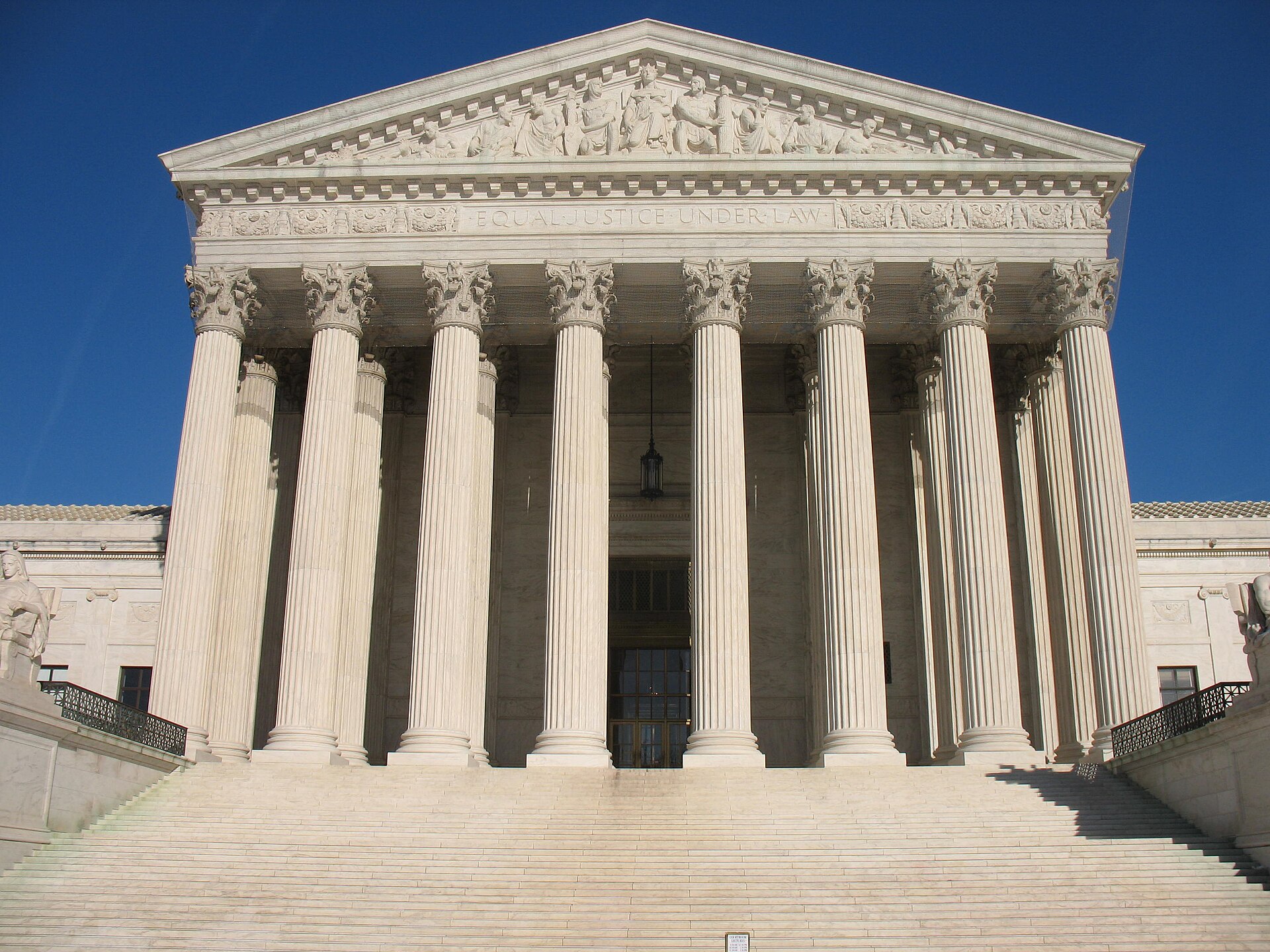
The Supreme Court on Tuesday declined to restore a 2024 federal regulation that lets immigration judges suspend some deportation cases, leaving in place a judgment that the State of Texas and the Justice Department asked a single federal judge to enter on the same day Texas sued. The brief, unsigned order in City of Baltimore, Maryland v. Texas, No. 26A500, denied an emergency request from three cities and an immigrant legal services group, with no noted dissents, according to SCOTUSblog.
The rule at issue provides for "administrative closure," a docket tool that lets an immigration judge set a deportation case aside, for example so a crime victim or witness can seek relief such as asylum from U.S. Citizenship and Immigration Services, a separate agency. It was adopted in 2024 by the Executive Office for Immigration Review, part of the Justice Department.
The case moved unusually fast. In June, Texas sued in federal court in Wichita Falls, where the case went to Chief U.S. District Judge Reed O'Connor, the only federal judge in that division, according to SCOTUSblog's account of the filings. Texas called the rule "one part of the Biden-Harris Administration's campaign to undermine our immigration laws" and argued that federal law requires an immigration judge, at the end of a proceeding, to "decide whether an alien is removable from the United States." A few hours after the suit was filed, the Justice Department and Texas jointly asked O'Connor to enter a final judgment for the state, to vacate the rule and to bar the agency from adopting a similar rule in the future. He granted those requests the same day.
Because neither party intended to appeal, others tried to. On Aug. 7, the cities of Baltimore; New Haven, Conn.; and Columbus, Ohio, along with Centro Legal de la Raza, asked to join the case so they could defend the rule on appeal. O'Connor denied the request, finding they lacked standing, and rejected the cities' argument that losing the rule would cost them money because taxpayers living there were likely to be deported. The U.S. Court of Appeals for the 5th Circuit declined to block the judgment while their appeal continued.
The challengers went to the Supreme Court on Oct. 9. Their lawyer, Joshua Salzman of Democracy Forward, called the agreement the product of "egregious collusion." "If a judgment procured through such open collusion is allowed to remain in effect," he wrote, "any agency can avoid the strictures of the" federal law governing administrative agencies "by advertising its unwillingness to defend a disfavored regulation and by immediately acquiescing to nationwide relief." The Administrative Procedure Act normally requires notice and public comment before an agency repeals a regulation.
U.S. Solicitor General D. John Sauer urged the court to leave the judgment alone, arguing that the request "attempts to improperly leverage a clear-cut dispute over" the challengers' bid to join the case "into a far-reaching attack on the merits" of the judgment. Texas told the justices that pausing the ruling "would revive a rule the district court declared unlawful, renew the fiscal and sovereign injuries Texas alleged, and unsettle a final judgment accepted by the actual parties." Four days after briefing ended, the court denied the application without explanation.
The order is not a ruling on whether the rule was lawful or whether the settlement was proper. It means only that the judgment stays in effect while the challengers' appeal on their right to intervene continues in the 5th Circuit. In practice, immigration judges remain without the administrative-closure tool the 2024 rule provided, and the judgment also bars the agency from adopting a similar rule.
The ruling arrives as the court handles a run of emergency applications involving the administration. SCOTUSblog reported that the court last week allowed New Hampshire to restrict the use of student IDs for voting and left in place a lower-court order blocking an administration policy on transgender inmates.
What remains unknown: how many pending deportation cases had been administratively closed under the rule, whether the 5th Circuit will allow the cities to intervene, and whether other agencies will use the same settle-on-filing approach for other regulations.
Sources
- SCOTUSblog: Court declines to restore Biden-era regulation allowing some deportation proceedings to be suspended (Oct. 27) (opens in a new tab)
- AP News: Supreme Court won't intervene in case over Biden-era immigration regulation (Oct. 27) (opens in a new tab)
- Bloomberg Law: Supreme Court Allows Deportation Deal Decried as Collusion (opens in a new tab)
- Supreme Court of the United States: Docket search (No. 26A500) (opens in a new tab)