Judge Rules Los Angeles' Top Federal Prosecutor Is Serving Unlawfully and Bars Him From Two Cases
Senior U.S. District Judge J. Michael Seabright said Bill Essayli is acting as a 'de facto' U.S. attorney without Senate confirmation. The disqualification is on hold while the government seeks a stay.
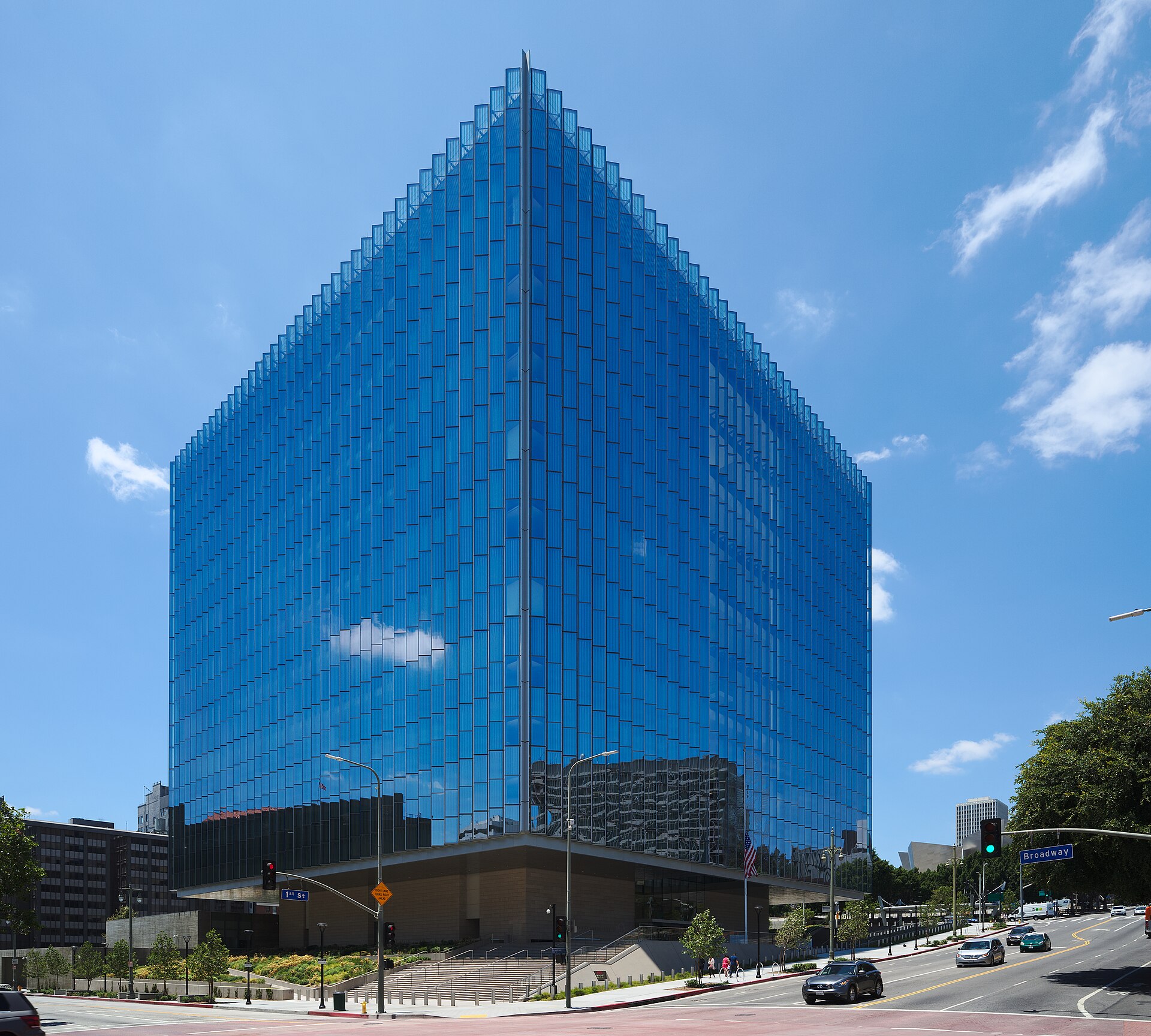
A federal judge ruled Tuesday that Bill Essayli is unlawfully serving as the top federal prosecutor in Los Angeles and disqualified him from overseeing two criminal cases, the Los Angeles Times reported. Senior U.S. District Judge J. Michael Seabright delayed the disqualification while he considers an expected government request for a stay pending appeal.
"In sum, Essayli is unlawfully serving as a 'de facto' United States Attorney," Seabright wrote, according to the Times. The judge concluded that the Justice Department had delegated powers so broad that Essayli, who holds the title of first assistant U.S. attorney, in effect occupied the U.S. attorney's position.
The ruling applies to two prosecutions, those of Jaime Hector Ramirez and Tu Anh Tran. Seabright declined to dismiss their indictments, finding they had not shown the substantial prejudice required for that remedy, the Times reported. His order bars Essayli from participating in or supervising their cases, including supervising the prosecutors handling them.
Essayli said his office expected the ruling and that the case "will be decided by the Supreme Court," the Times reported. "I look forward to serving in my current role until then," he said in a follow-up email. H. Dean Steward, a defense lawyer who filed a renewed motion in August challenging Essayli's authority, called the decision "a victory for the rule of law and the U.S. Constitution."
The decision builds on a ruling by the U.S. Court of Appeals for the 9th Circuit rejecting a similar arrangement in Nevada for prosecutor Sigal Chattah. The appeals court held that the Justice Department cannot keep an official who has not been confirmed by the Senate in charge of a U.S. attorney's office by giving that person a different title and the full powers of the job, according to the Times. The administration has asked the Supreme Court to review the Nevada decision.
After the 9th Circuit ruling, the Justice Department issued a revised delegation that expressly withheld certain powers reserved for a U.S. attorney. Seabright found that the change made no meaningful difference. "Withholding the three specific statutory powers mentioned in the revised designation order in reality withholds nothing," he wrote, according to the Times.
Essayli, a former Republican member of the California Assembly from Riverside, was sworn in as interim U.S. attorney in April 2025. Near the end of that role's 120-day limit, he resigned and was appointed a special attorney and designated first assistant. Seabright ruled last year that he was "not lawfully serving" as acting U.S. attorney but allowed him to keep supervising prosecutions in his other roles, an arrangement the 9th Circuit's ruling undercut. As of Tuesday, no nominee had been named for U.S. attorney for the Central District of California, the judge noted.
The dispute is one of several nationwide over the administration's appointments of prosecutors without Senate confirmation. The Times noted that Alina Habba stepped down in New Jersey after an appeals court found her appointment unlawful, and that a finding that Lindsey Halligan was unlawfully appointed in Virginia led to the dismissal of indictments against former FBI Director James Comey and New York Attorney General Letitia James. AP reported separately on Tuesday's ruling.
Under the schedule Seabright accepted, prosecutors have five business days to seek a stay. If he denies it, the disqualifications would take effect a week later, subject to further orders.
What remains unknown: whether the 9th Circuit or the Supreme Court will grant a stay, and whether other defendants in the district will file similar motions.
Sources
- Los Angeles Times: Judge finds L.A.'s top federal prosecutor is unlawfully serving, bars him from two cases (Oct. 27) (opens in a new tab)
- AP News: Judge rules Bill Essayli isn't legally serving as federal prosecutor in LA (Oct. 27) (opens in a new tab)
- CBS Los Angeles: Judge rules that Essayli has been 'unlawfully' serving as LA's top federal prosecutor (opens in a new tab)