State Police Union and Healey Reject Minogue's Claim That an Endorsement Was Traded for a Contract
The union calls the Republican nominee's allegation "categorically false" and says its contract provides raises of 11 percent over three years, not the 18 percent Minogue cited. Election Day is Nov. 3.
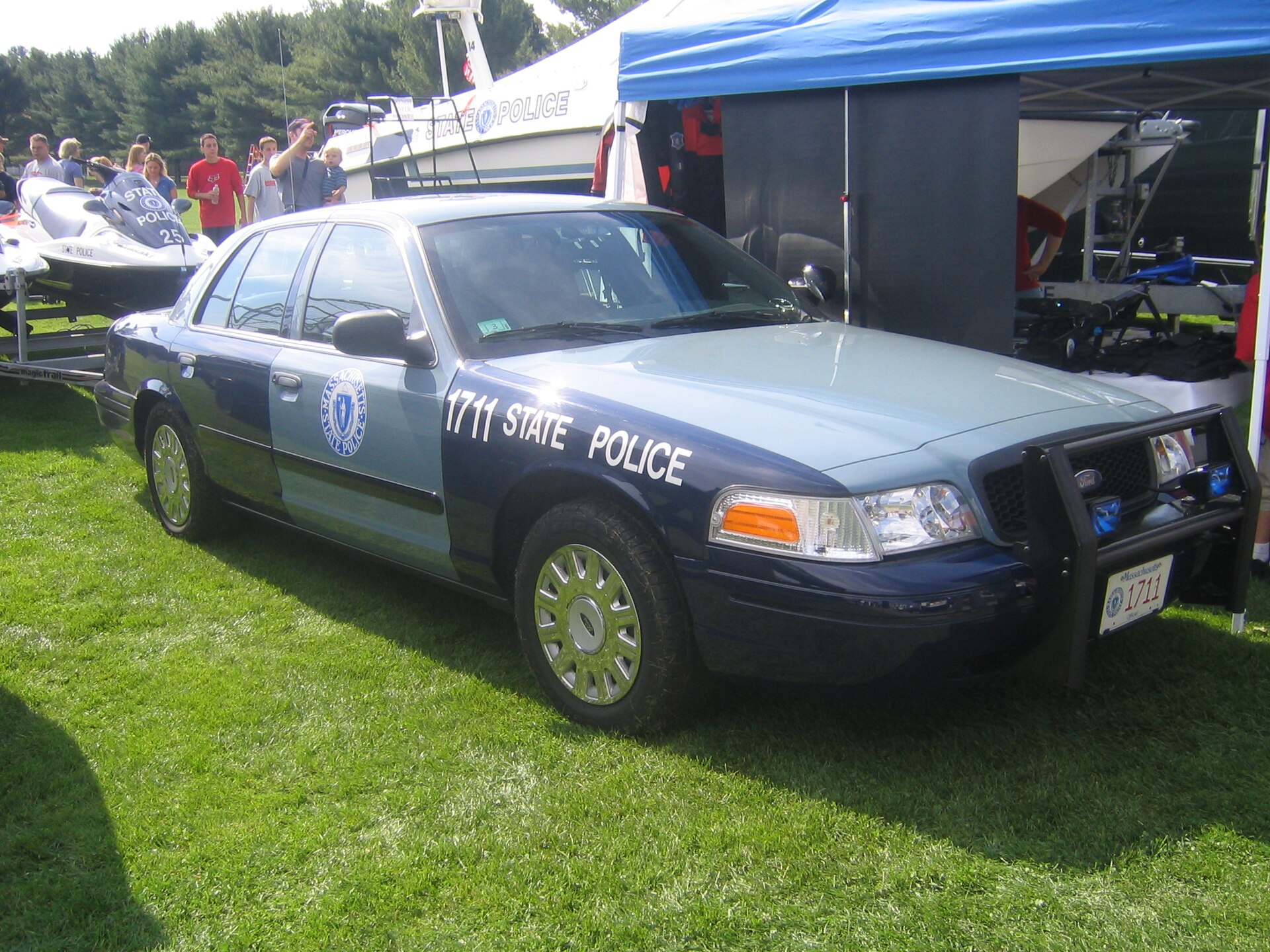
The State Police Association of Massachusetts and Gov. Maura Healey's campaign rejected an accusation by Republican nominee Mike Minogue that the union's endorsement of Healey was exchanged for a new trooper contract, WBUR reported Monday, citing the State House News Service.
Minogue raised the claim in a Facebook post Saturday, according to the report. He asked whether Healey made "a deal with the State Troopers for an endorsement" and wrote that "exchanging a political endorsement for a taxpayer contract and withholding announcement until after election is illegal." He later released a statement calling for Healey to issue a statement "under penalty of perjury" on whether anyone in her administration or campaign discussed or implied a connection between the contract and the endorsement, and to disclose communications between her negotiating team and union representatives. He suggested that the collective bargaining agreement, which would be ratified by a supplemental budget Healey filed in September and the House passed last week, was part of the exchange.
SPAM president Brendan Murphy responded Sunday. "Mike Minogue's allegation that the State Police Association of Massachusetts exchanged its endorsement for a contract is categorically false," he said. "Accusing our members of corruption without evidence is reckless." Murphy said the agreement provides raises totaling 11 percent over three years, "consistent with what other state unions received," and that "Mr. Minogue's claim of 18% is wrong." Minogue's post had said "New contract 6% x 3 +18%." Murphy demanded that Minogue correct the claim and apologize to troopers.
Healey's campaign spokesperson Kerry Patrick Lyons called the post "an unhinged rant from an unhinged, desperate candidate" and said his response was "issued under penalty of perjury," a reference to Minogue's demand. Asked about it in Framingham on Monday, Healey said, "The State Police spoke to that," and when pressed on whether she denied a deal was cut, called the allegation "lies and nonsense."
The budget document itself is thin on terms. Healey filed the supplemental budget to close the books on fiscal 2026 on Sept. 23, according to the report. It includes language for "salary adjustments and other economic benefits" authorized by finalized agreements with SPAM and with the Massachusetts Correction Officers Federated Union. The bill does not spell out the terms of the agreement, but it creates a $30 million reserve to cover the costs of the ratified contracts. The House passed its own version last week with the same language. The Senate is not expected to take it up until after the election.
The endorsement came earlier. On Sept. 10, Healey announced endorsements from SPAM, the Boston Police Patrolmen's Association, the Massachusetts Coalition of Police and the Massachusetts State Police Commissioned Officers Association. None of the four groups endorsed her in her 2022 run for governor, according to her campaign, though representatives of SPAM and MassCOP told the news service those organizations did not endorse any gubernatorial candidate that year.
The union and the campaigns are fighting over a number as well as a motive. Minogue's post gave the contract as "6% x 3 +18%." Murphy's statement says the raises total 11 percent over three years. The supplemental budget does not state a percentage, according to the report, so the competing figures cannot be checked against the bill itself.
The idea was not new on Saturday. At a debate with Healey on Oct. 15, Minogue said he would not tolerate corruption and did not like "the deals that are being cut with the different unions to get endorsements," the report said.
Minogue's campaign released its own statement Monday. He maintained that the timing of the endorsement alongside the end of contract negotiations weeks before the election "raises serious questions about transparency and the appearance of political influence," while saying his objections were directed at the governor and not the troopers. "Our State Troopers deserve a fair contract, competitive compensation, and our full support and respect," he said.
The report does not include evidence of an agreement tying the contract to the endorsement; Minogue's statements, as quoted, ask whether such a deal exists rather than present proof. The union and the governor deny one. The contract's full terms were not published in the documents the report cites, and the Senate has yet to act on the supplemental budget that would ratify it.