Voters Reject Repeal of Recreational Marijuana Sales by a Wide Margin
Massachusetts would have been the first state to reverse legalization. Most repeal money came from an out-of-state group.
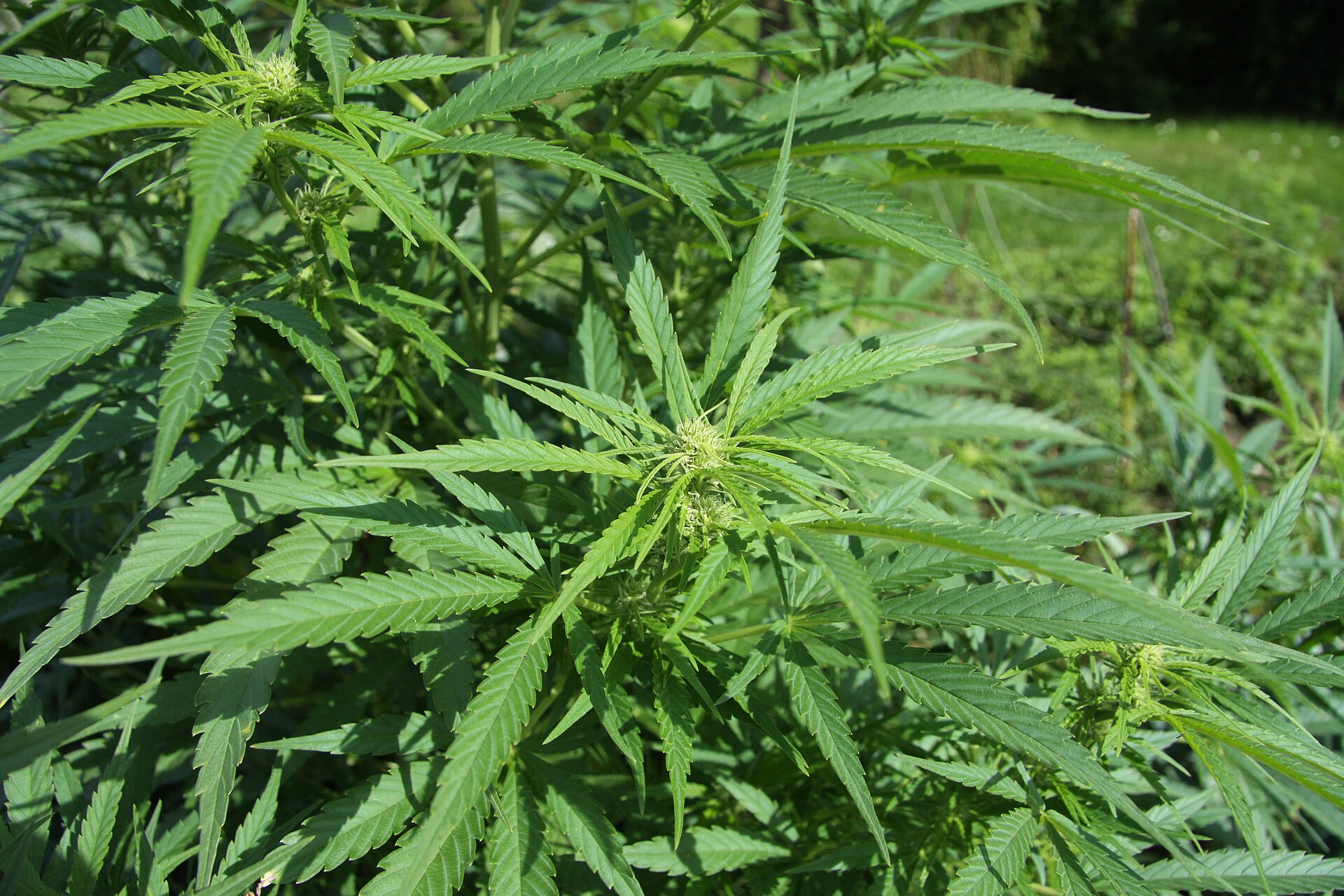
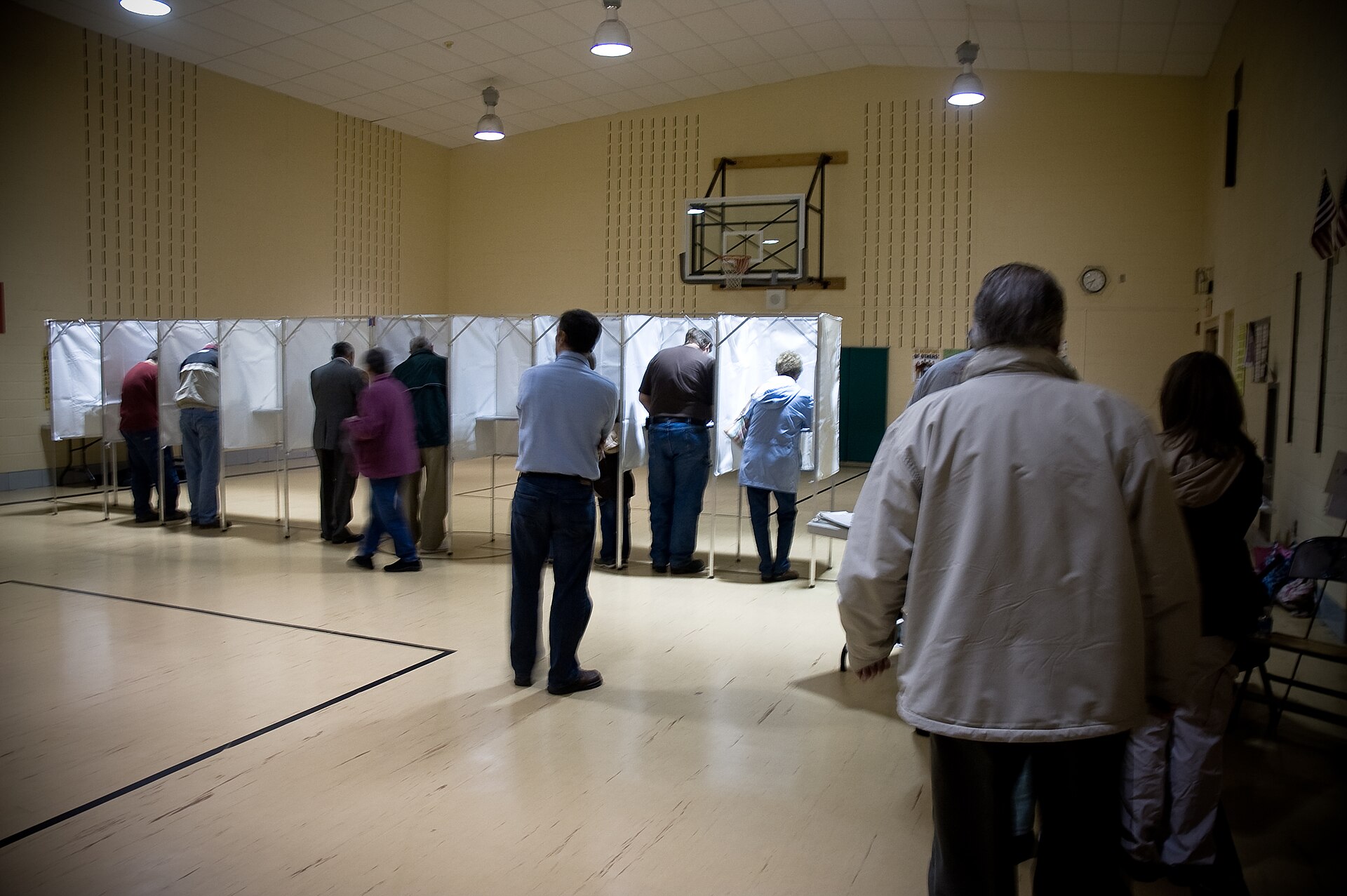
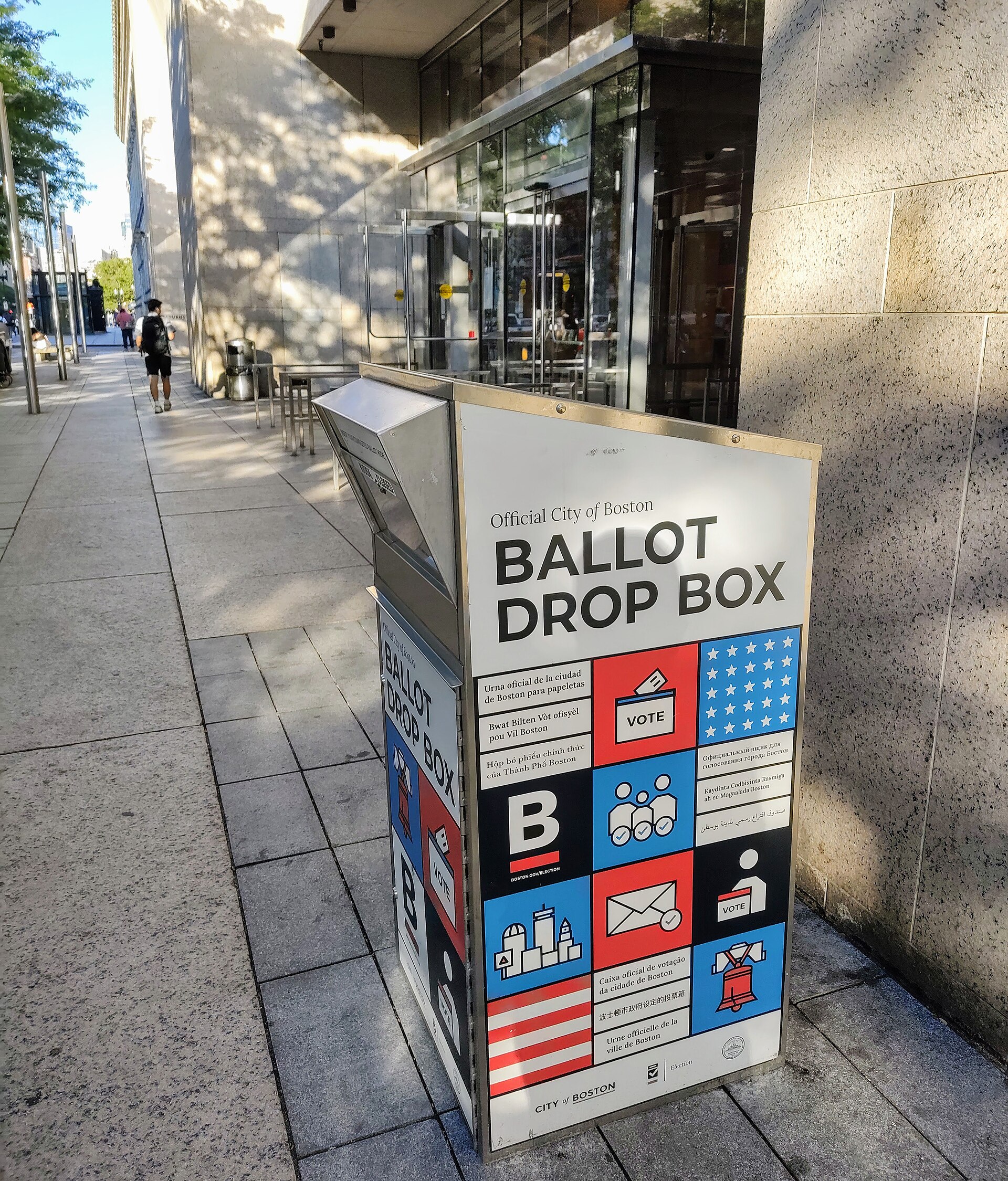
Massachusetts voters defeated Question 8, which would have banned recreational marijuana sales, WBUR reported. Voters chose to keep the industry that has operated since the first dispensaries opened in 2018.
Had it passed, Massachusetts would have been the first state to reverse legalized recreational marijuana, according to WBUR. The result continues a series of ballot votes: decriminalization in 2008, medical marijuana in 2012 and adult recreational sales in 2016.
The money
Both sides spent millions. Most of the repeal funding came from Smart Approaches to Marijuana, an out-of-state group, WBUR reported. Cannabis industry sources and the Retailers Association of Massachusetts gave major contributions to the no campaign.
The arguments
Repeal supporters cited evidence of harmful mental health effects of marijuana, including high-potency THC products, particularly for adolescents. Opponents said a ban would put thousands of jobs and hundreds of millions in state and local tax revenue at risk and push users to unregulated sellers or other states.
Some experts who warn about THC were skeptical the ballot question would help, WBUR reported, and are instead calling on the state to study health effects and expand education. Government data show cannabis use in Massachusetts has increased since 2018, while use among adolescents has declined significantly.
What is still unknown
Final campaign spending totals and the statewide margin were not included in the report.
The developments described above are drawn from contemporaneous reporting by WBUR. As of Thursday morning, massachusetts would have been the first state to reverse legalization. Most repeal money came from an out-of-state group. Boston Uncut will update this account if primary agencies release additional records, schedules or statements that change the public facts. Readers seeking the underlying documents should consult the linked sources, which carry the full quotations and agency attributions used here. Where allegations appear, they are labeled as allegations; where vote totals or rankings are cited, they reflect the figures published by the named outlet or agency at the time of reporting.
Coverage of "Voters Reject Repeal of Recreational Marijuana Sales by a Wide Margin" sits alongside related Massachusetts and national developments this week. The factual spine of this story remains the linked reporting; any interpretation beyond those facts is limited to describing what the record does and does not yet show. Unanswered questions noted above are not speculation — they are gaps in the public record as of the most recent updates reviewed for this article on 2026-11-05.
Public agencies and courts often release follow-up statements days after an initial announcement. This article reflects the record available Thursday. It does not assert motives that officials have not stated, does not invent quotations, and does not treat complaints or charging documents as findings of guilt. Where numbers come from unofficial election returns or preliminary investigative findings, that status is noted in the sourcing.
The account above is limited to facts published by the linked outlets and agencies as of 2026-11-05. Headline claims such as those reflected in "Voters Reject Repeal of Recreational Marijuana Sales by a Wide Margin" are traced to those sources rather than to unsourced social media or anonymous tips. Where officials have not answered a question — motive, timeline, responsible office, or next procedural step — that gap is stated as unknown rather than filled with conjecture. Readers can verify quotations and figures by following the source links; Boston Uncut does not alter quoted language except for standard ellipses noted in the original reporting when a quote was already shortened there.
Context for local readers: Massachusetts would have been the first state to reverse legalization. Most repeal money came from an out-of-state group. That framing is descriptive, not a prediction of how courts, councils, leagues or agencies will rule. If a primary document — a docket entry, a certified tally, a signed order, an official release — later contradicts a secondary summary used here, the primary document controls and this article should be read as outdated on that point. Allegations in charging papers remain allegations until adjudicated; election returns described as unofficial remain subject to certification deadlines.
Massachusetts and Boston institutions named in this reporting — including city departments, state agencies, campus administrations and professional teams — routinely publish follow-up statements after the first-day story. This piece does not claim to anticipate those statements. It records what was knowable from the cited material on the morning it was prepared, with section subheads added only to organize confirmed facts for readers.
The account above is limited to facts published by the linked outlets and agencies as of 2026-11-05. Headline claims such as those reflected in "Voters Reject Repeal of Recreational Marijuana Sales by a Wide Margin" are traced to those sources rather than to unsourced social media or anonymous tips. Where officials have not answered a question — motive, timeline, responsible office, or next procedural step — that gap is stated as unknown rather than filled with conjecture. Readers can verify quotations and figures by following the source links; Boston Uncut does not alter quoted language except for standard ellipses noted in the original reporting when a quote was already shortened there.