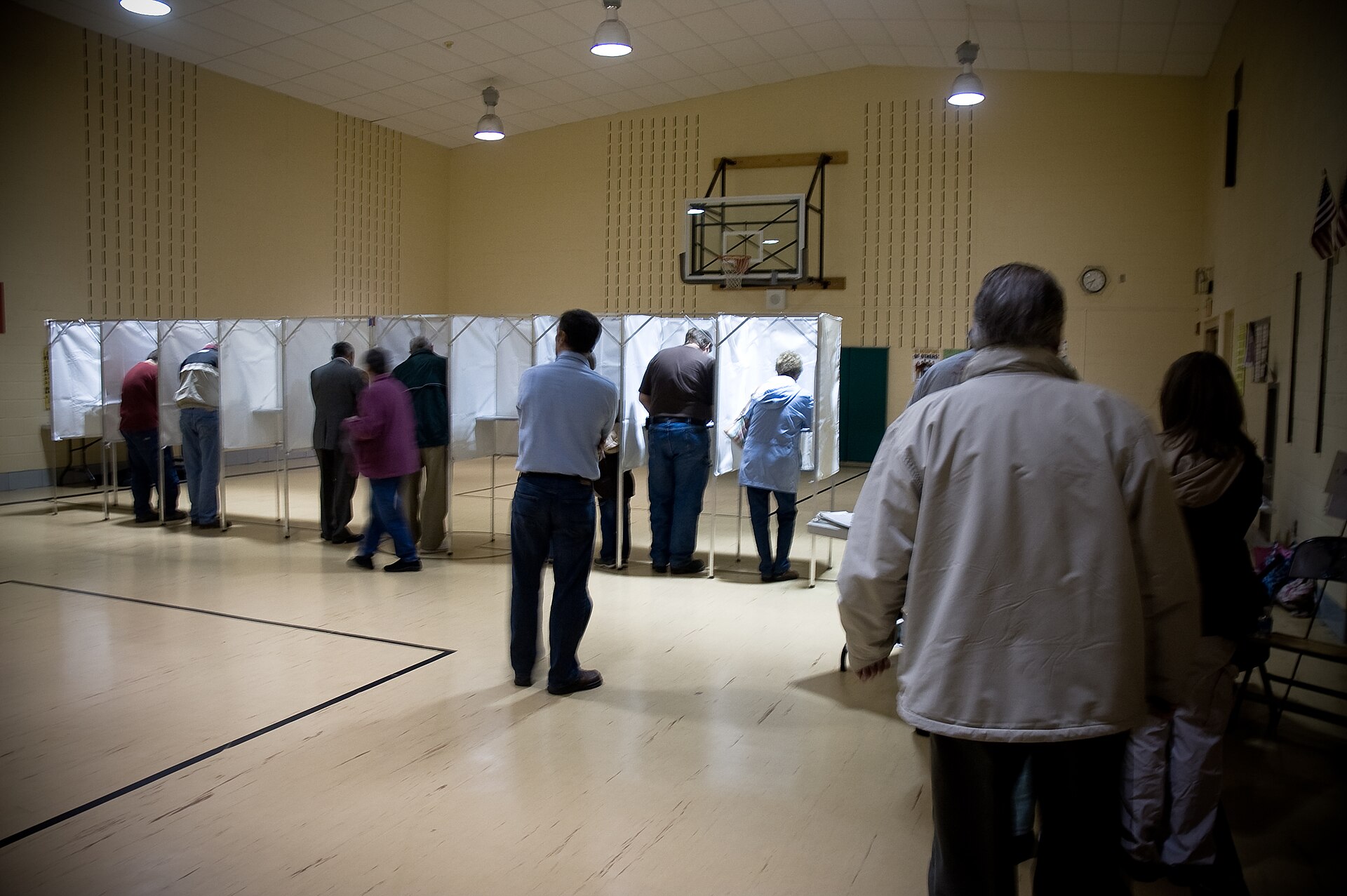
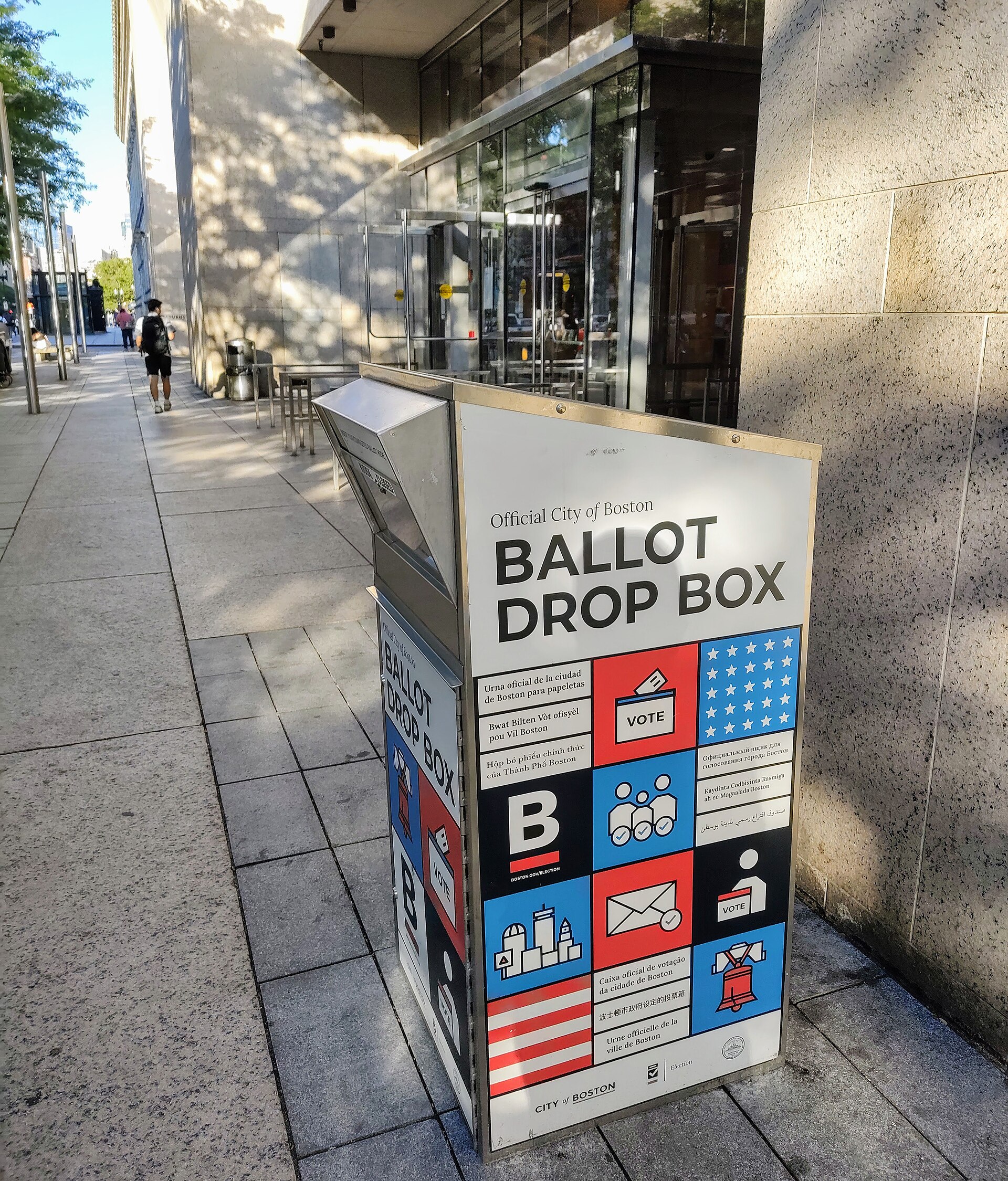
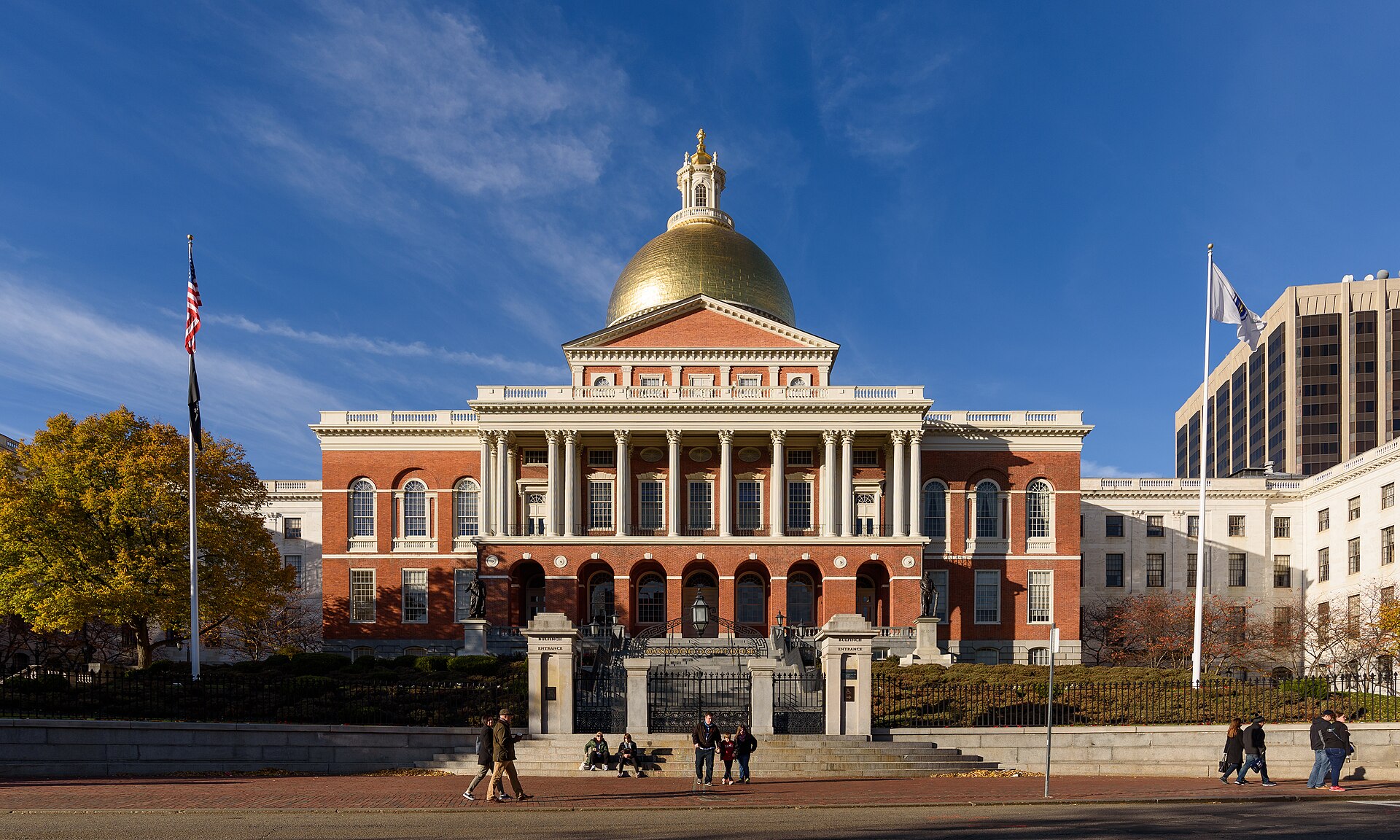
Question 7 Flipped Toward No. Boston Voted 69 Percent Yes for Smaller Lots the Measure Would Not Change in Boston
AP figures Thursday showed No ahead by about 29,000 votes with most precincts in. Boston backed the 5,000-square-foot lot standard by more than two to one — even though the state zoning law it amends does not cover the city.
The closest race on the Massachusetts ballot flipped overnight. Question 7, which would let single-family homes be built on qualifying lots as small as 5,000 square feet, was virtually tied Wednesday morning. By Thursday, Associated Press tallies cited in election trackers showed No ahead 1,238,237 to 1,209,381 — about 50.6% to 49.4% — with roughly 90% of the expected vote counted, and the race still too early to call.
Boston's unofficial returns told a different story. City Election Department figures posted early Wednesday with all 275 precincts reporting showed 119,998 Yes votes to 53,286 No on the question inside Boston, about 69% Yes among ballots that took a side, with thousands more left blank. Compilations of those returns also noted that Boston voters backed six of the nine statewide questions overall.
The paradox for Boston
If Question 7 passes, it would not rewrite what can be built on most Boston lots, because the state zoning framework the measure amends does not apply to Boston the way it does to other municipalities. Boston voters, in other words, strongly endorsed a housing reform that would bind suburbs and small towns while leaving the city's own zoning fight on a separate track.
That local track includes a city lot-size reform item that, according to local political reporting cited in post-election coverage, has waited months for a hearing even as Tuesday's statewide vote became a proxy war over starter homes. Mayor Michelle Wu and Governor Maura Healey both backed Question 7, CBS Boston and the Boston Globe reported, aligning City Hall and the corner office with the Yes campaign.
What the measure would do
Question 7 would establish a statewide floor: single-family homes could be built on residentially zoned lots of at least 5,000 square feet with public water and sewer and at least 50 feet of street frontage, overriding local minimums that in some towns run to 40,000 or even 80,000 square feet, according to ballot summaries and CBS Boston's explainers.
Housing advocates at the Massachusetts Affordable Homeownership Alliance argued the change would open starter-home opportunities, especially for younger buyers. The Massachusetts Municipal Association opposed it, saying local officials should keep zoning control and that the language did not guarantee affordability. Tufts University's Center for State Policy Analysis estimated far fewer new homes per year than the campaign's upper-bound figures, a gap the Globe highlighted in its town-by-town coverage.
Geography of the split
Dense communities around Boston — Somerville, Cambridge, Brookline, Chelsea, Malden, Medford, Arlington — backed Yes by wide margins, the Globe's town maps showed. Many smaller and farther-out towns, and some wealthy suburbs, voted No. That urban-rural split, MMA's Adam Chapdelaine told CBS Boston, was evidence that "one size doesn't fit all."
Secretary Galvin's office expects certification around the first Wednesday in December; if Yes ultimately prevails, the law would take effect 30 days after certification, WBUR reported. Recount petitions are possible only inside a narrow statutory margin once the count is final.
What is still unknown
Whether remaining precincts widen or erase the No lead; whether either side seeks a recount after certification; and what Boston does with its own stalled lot-size hearing after city voters just endorsed the statewide idea by 69%.
For now, the statewide math and the Boston math are both real — and they point in opposite directions. The suburbs and small towns will decide whether 5,000-square-foot lots become a state right. Boston already said yes to a change that, on paper, would not rewrite its own zoning map.
As of Thursday, 2026-11-05, the linked outlets had not reported a certified final that reverses the trajectory described above. "Question 7 Flipped Toward No. Boston Voted 69 Percent Yes for Smaller Lots the Measure Would Not Change in Boston" summarizes that trajectory for readers; it is not a substitute for the Secretary of the Commonwealth's certified returns or for court orders that may follow. AP figures Thursday showed No ahead by about 29,000 votes with most precincts in. Boston backed the 5,000-square-foot lot standard by more than two to one — even though the state zoning law it amends does not cover the city. Boston Uncut will treat later official tallies as controlling if they diverge from the unofficial figures cited here.
Voters, campaigns and agencies often disagree about what a ballot result "means" for the next legislative session. This article separates confirmed vote tallies and concession statements from those forward-looking arguments, and it labels the latter as arguments rather than as enacted policy.
As of Thursday, 2026-11-05, the linked outlets had not reported a certified final that reverses the trajectory described above. "Question 7 Flipped Toward No. Boston Voted 69 Percent Yes for Smaller Lots the Measure Would Not Change in Boston" summarizes that trajectory for readers; it is not a substitute for the Secretary of the Commonwealth's certified returns or for court orders that may follow. AP figures Thursday showed No ahead by about 29,000 votes with most precincts in. Boston backed the 5,000-square-foot lot standard by more than two to one — even though the state zoning law it amends does not cover the city. Boston Uncut will treat later official tallies as controlling if they diverge from the unofficial figures cited here.