Massachusetts Will Let Voters Register on Election Day Starting in 2028. Top-Two Primaries Were Rejected
Question 4 takes effect Jan. 1, 2028, with Super Tuesday the first test. Question 3, which would have replaced partisan primaries, failed after one of the closest campaigns on the ballot.
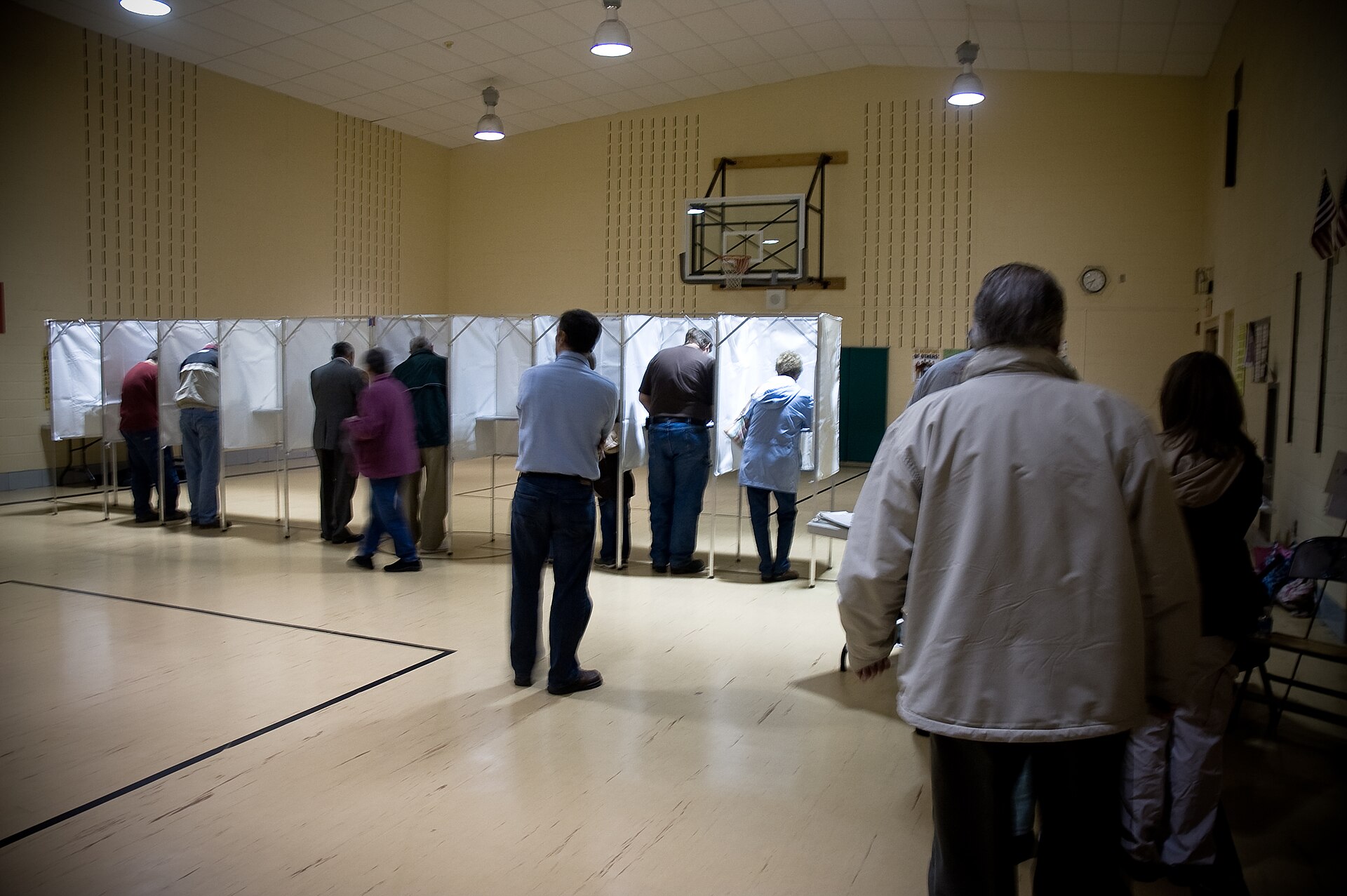
Massachusetts voters approved Question 4, allowing residents to register and vote on Election Day, WBUR reported. The Associated Press called the race at about 2 a.m. Wednesday.
The change takes effect Jan. 1, 2028. The first chance to use it will be Super Tuesday, March 7, 2028, when Massachusetts holds its presidential primary, according to WBUR. Registration will still close 10 days before an election and then reopen on Election Day itself.
The rules
People registering on Election Day can cast only a provisional ballot unless they provide sufficient proof of residency and sign a written oath that they meet voting requirements, WBUR reported. They must swear they are U.S. citizens, at least 18, and "have not and will not vote" anywhere else. False statements are a felony punishable by up to five years in prison and a $10,000 fine. Voters without the right documents will have time to bring them back so their provisional ballot counts.
Supporters, including voting rights groups, said the change will help renters and college students. The measure had no formal opposition, though some critics worried it would burden poll workers and make fraud harder to spot, WBUR reported.
Question 3 fails
Voters rejected Question 3, which would have replaced partisan primaries with a single all-party primary in which the top two finishers, regardless of party, advanced to November, WBUR reported. The AP called it early Wednesday. Polls in mid-October had shown the margin narrowing.
The measure was filed by Harvard professor and former gubernatorial candidate Danielle Allen, who argued that "two-thirds of the legislature is running unopposed" and that more competition would bring accountability. Vanessa Snow, who wrote the opposing argument in the state voter guide, said it "would limit voter choice by allowing only two candidates to advance to November — even if they belong to the same party."
The yes campaign said in a statement, "The people of Massachusetts want real choices in November ... That frustration doesn't go away tonight." Only California and Washington use all-party primaries for statewide and congressional races.
Additional reporting
Listen Live: Loading...Heart DonateWBURWBUR90.0 WBUR - Boston's NPR News Station Listen Live: Loading...Heart Donate Listen LiveSearchSearchSectionsLocal CoverageArts & CultureBusinessEducationEnvironmentField Guide To BostonHealthInvestigationsCognoscentiBoston News QuizRadioAll Radio ProgramsAll Things ConsideredHere & NowMorning EditionOn PointOn-Air ScheduleWays To ListenPodcastsAll PodcastsBeyond All RepairCircle RoundEndless ThreadLast SeenThe Midnight RebellionViolationEventsCitySpace CalendarWatch Past EventsEvents NewsletterRent CitySpaceThe WBUR FestivalSupportMember ServicesBecome A MemberDonate Your CarJoin The Murrow SocietyMake A DonationBecome A SponsorCreate A Custom PodcastSupport WBUR
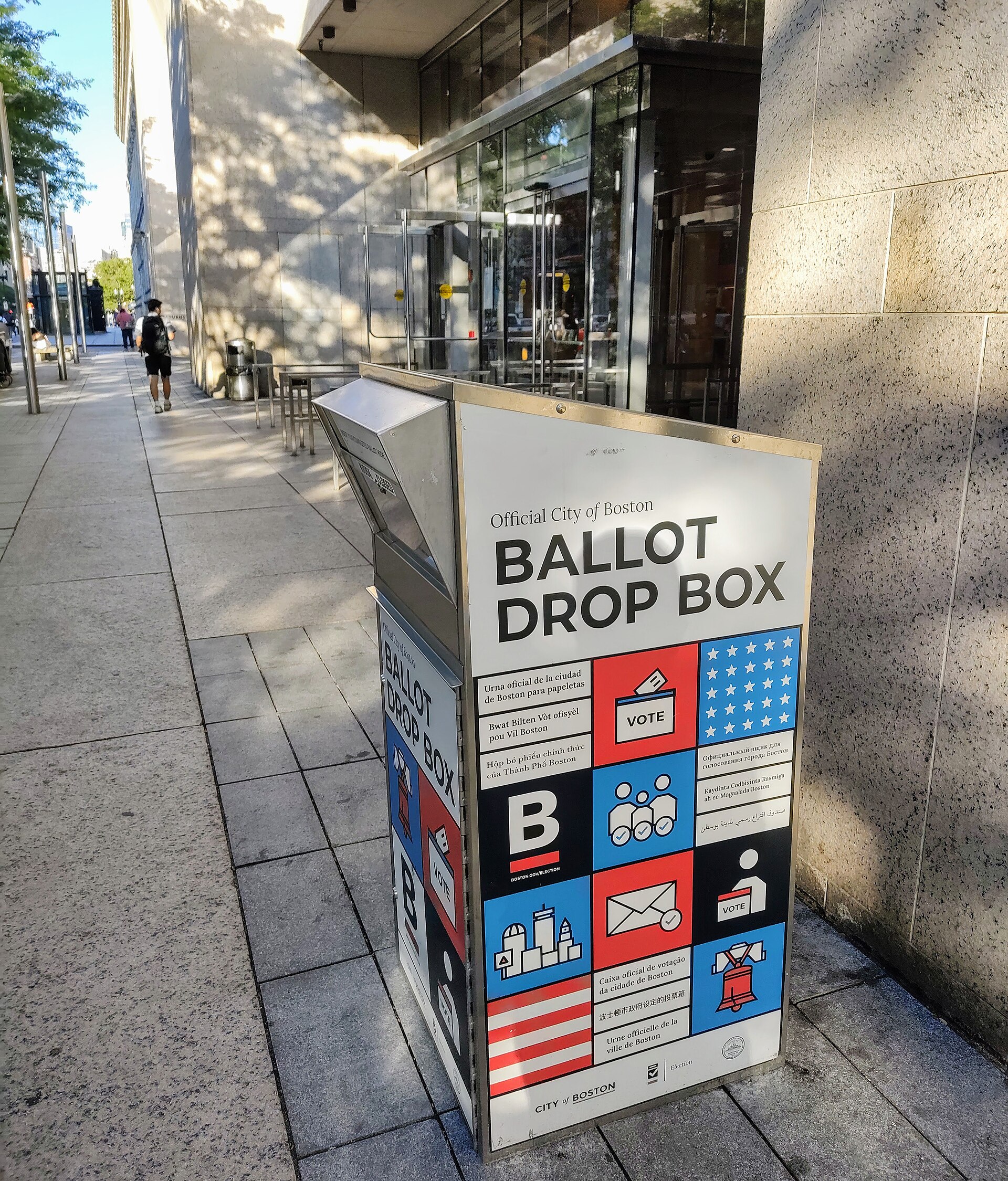
ShareQuestion 4 title on the mail-in ballot for the 2026 Massachusetts state election. (Jesse Costa/WBUR)Massachusetts will soon let citizens yearning to take part in an election show up to the polls on Election Day and register to vote last-minute. Voters Tuesday resoundingly passed Question 4, a ballot measure that changes state law to allow for Election Day voter registration. The Associated Press called the race at about 2 a.m. Wednesday.
Once the new law takes effect, voters would still need to mind the state's current 10-day voter registration window before registration opens again on Election Day. The change goes into effect on Jan. 1, 2028, meaning hopeful voters who miss that 10-day window can be the first to try to register on Super Tuesday, when Massachusetts and several other states take part in presidential primaries and caucuses. Super Tuesday is set for March 7, 2028.
Supporters included a number of voting rights groups. They argued the change will expand voter access, especially for renters or college students, and ensure more representative governance. While the measure had no formal opposition, some critics said they were concerned that the ballot petition would burden busy poll workers and potentially make it harder to spot voter fraud.
Question 4's passage also comes with several stipulations. Chiefly, a person can only cast a provisional ballot unless they've provided sufficient proof of residency and signed a written oath that they meet all requirements to vote. Anyone registering to vote on Election Day will need to swear that they're a U.S. citizen who is at least 18, and that they "have not and will not vote" anywhere else. Any liars could face felony charges, with punishments of up to five years in prison and a $10,000 fine.
Poll workers will accept several types of documents as proof of residency, and for those without the correct paperwork on hand, they'll have time to bring it back to the polls to ensure their provisional ballot gets the A-OK. Here are details on what documents count and how much time you'd have, depending on the election, to bring back proof.
What is still unknown
The Secretary of the Commonwealth has not yet published the list of residency documents that will be accepted or the deadlines for curing provisional ballots.
The developments described above are drawn from contemporaneous reporting by WBUR, WBUR. As of Thursday morning, question 4 takes effect Jan. 1, 2028, with Super Tuesday the first test. Question 3, which would have replaced partisan primaries, failed after one of the closest campaigns on the ballot. Boston Uncut will update this account if primary agencies release additional records, schedules or statements that change the public facts. Readers seeking the underlying documents should consult the linked sources, which carry the full quotations and agency attributions used here. Where allegations appear, they are labeled as allegations; where vote totals or rankings are cited, they reflect the figures published by the named outlet or agency at the time of reporting.