Voters Created a 'Nature for All' Fund Worth Up to $100 Million a Year. Lawmakers Do Not Have to Spend It That Way
Question 6 earmarks sales taxes on outdoor gear, RVs and golf for conservation. Tufts analysts say the Legislature can ignore it.
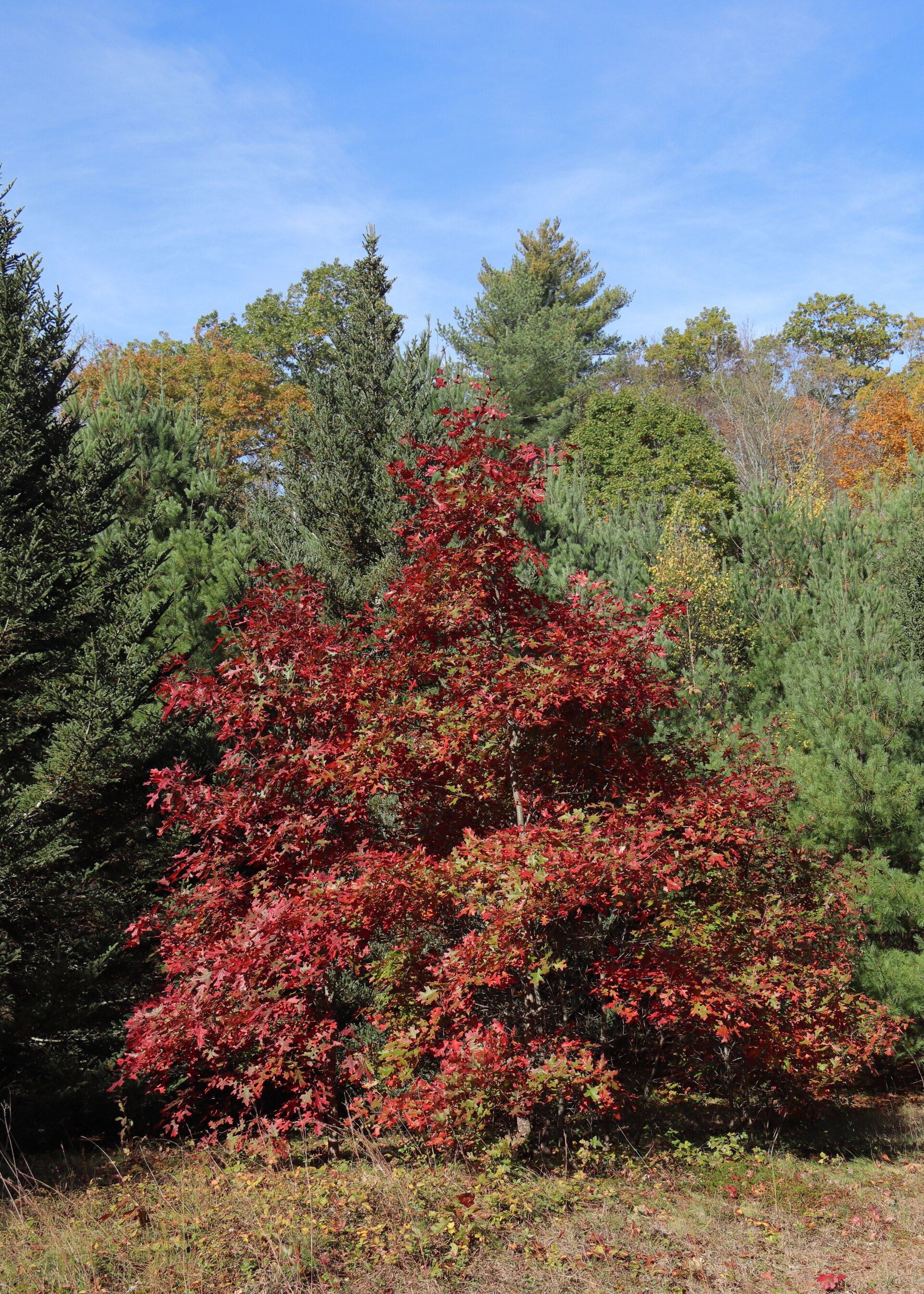
Massachusetts voters passed Question 6, which directs sales tax collected on recreational vehicles, sporting goods and golf courses toward protecting natural land and water, WBUR reported.
Estimates put the "Nature for All" fund at $65 million to $100 million a year from existing taxes. Advocates say steady money could help the state reach its goal of protecting 30% of its land and waters by 2030.
How it works
The measure creates a 15-member board appointed by the governor to set guidelines for spending, WBUR reported. Money would be managed by the Executive Office of Energy and Environmental Affairs and allocated through the Legislature's budget. Starting in July 2027, half the qualifying sales tax goes to the fund; a year later, all of it.
"This vote is a powerful affirmation that everyone should have access to nature, clean water, and healthy landscapes," said Katie Theoharides, president and CEO of The Trustees.
The catch
Ballot questions in Massachusetts cannot dictate how the Legislature spends, WBUR reported. Evan Horowitz of the Tufts Center for State Policy Analysis said that means lawmakers could ignore the earmark, making the measure "pointless," or honor it even when other needs, such as covering federal cuts to Medicaid or food aid, are more urgent, making it "dangerous."
A UMass poll in August showed 67% support, and a University of New Hampshire poll showed 69%.
Also Wednesday: Indian Lake reopens
In Worcester, Indian Lake reopened Wednesday after health officials determined cyanobacteria levels had returned to a safe threshold, ending a three-month shutdown, Boston 25 News reported.
Additional reporting
Listen Live: Loading...Heart DonateWBURWBUR90.0 WBUR - Boston's NPR News Station Listen Live: Loading...Heart Donate Listen LiveSearchSearchSectionsLocal CoverageArts & CultureBusinessEducationEnvironmentField Guide To BostonHealthInvestigationsCognoscentiBoston News QuizRadioAll Radio ProgramsAll Things ConsideredHere & NowMorning EditionOn PointOn-Air ScheduleWays To ListenPodcastsAll PodcastsBeyond All RepairCircle RoundEndless ThreadLast SeenThe Midnight RebellionViolationEventsCitySpace CalendarWatch Past EventsEvents NewsletterRent CitySpaceThe WBUR FestivalSupportMember ServicesBecome A MemberDonate Your CarJoin The Murrow SocietyMake A DonationBecome A SponsorCreate A Custom PodcastSupport WBUR
ShareA sweat bee, a species native to Massachusetts, pollinates a flower in a bed of Robin’s Fleabane at the Mass Audubon's Broad Meadow Brook Conservation Center and Wildlife Sanctuary in Worcester. (Jesse Costa/WBUR)Massachusetts voters have passed a measure to put aside some sales tax money for nature conservation.
The "yes" vote on Question 6 asks the state to use sales tax on recreational vehicles, sporting goods or and at golf courses to protect natural land and water. Differing estimates show that the resulting “Nature for All" fund would collect between $65 million and $100 million each year from existing taxes. Advocates say that cash could be a gamechanger for conservation groups that struggle with unreliable funding; they also hope that it will help the state fulfil its goal of protecting 30% of its land and waters by 2030.
The question calls for the state to establish a 15-member board appointed by the governor, consisting of government officials and members of the public. The group would make guidelines for how the revenue should be allocated. Question supporters exulted in the result Tuesday night, issuing a statement thanking voters.
Ultimately, the spending would be managed by the state office of Energy and Environmental Affairs and allocated in the legislature’s budget. Lawmakers don’t have to spend the funds on conservation-related activities, because in Massachusetts ballot questions cannot dictate how Beacon Hill spends. That means Beacon Hill could ignore the earmark, rendering the question "pointless," according to Evan Horowitz of the non-partisan Tufts Center for State Policy Analysis. Or, they can honor the commitment to conservation even when other issues have a more urgent need, like to make up for federal cuts to Medicaid or food assistance, making the measure “dangerous.”
Question 6’s implementation would start slow and ramp up: starting in July 2027, half the sales taxes will be allocated to the fund. A year later, all taxes on outdoor recreation and RVs would go towards it. The passage of the measure is unsurprising: a UMass poll on the question taken in August showed that 67% of voters planned to support the measure, which was mirrored closely by this University of New Hampshire poll at 69%.
What is still unknown
Who will sit on the 15-member board and whether the next budget will honor the earmark have not been announced.
The developments described above are drawn from contemporaneous reporting by WBUR, Boston 25 News. As of Thursday morning, question 6 earmarks sales taxes on outdoor gear, RVs and golf for conservation. Tufts analysts say the Legislature can ignore it. Boston Uncut will update this account if primary agencies release additional records, schedules or statements that change the public facts. Readers seeking the underlying documents should consult the linked sources, which carry the full quotations and agency attributions used here. Where allegations appear, they are labeled as allegations; where vote totals or rankings are cited, they reflect the figures published by the named outlet or agency at the time of reporting.