Pakistan Sentences Two Human Rights Lawyers to 10 Years Under Anti-Terror Law Over a 2024 Road Barrier Case
Imaan Mazari-Hazir and her husband Hadi Ali Chattha, already jailed since January, were convicted over moving barriers on a cricket convoy route. Amnesty International calls the verdict "an indictment of Pakistan's justice system."
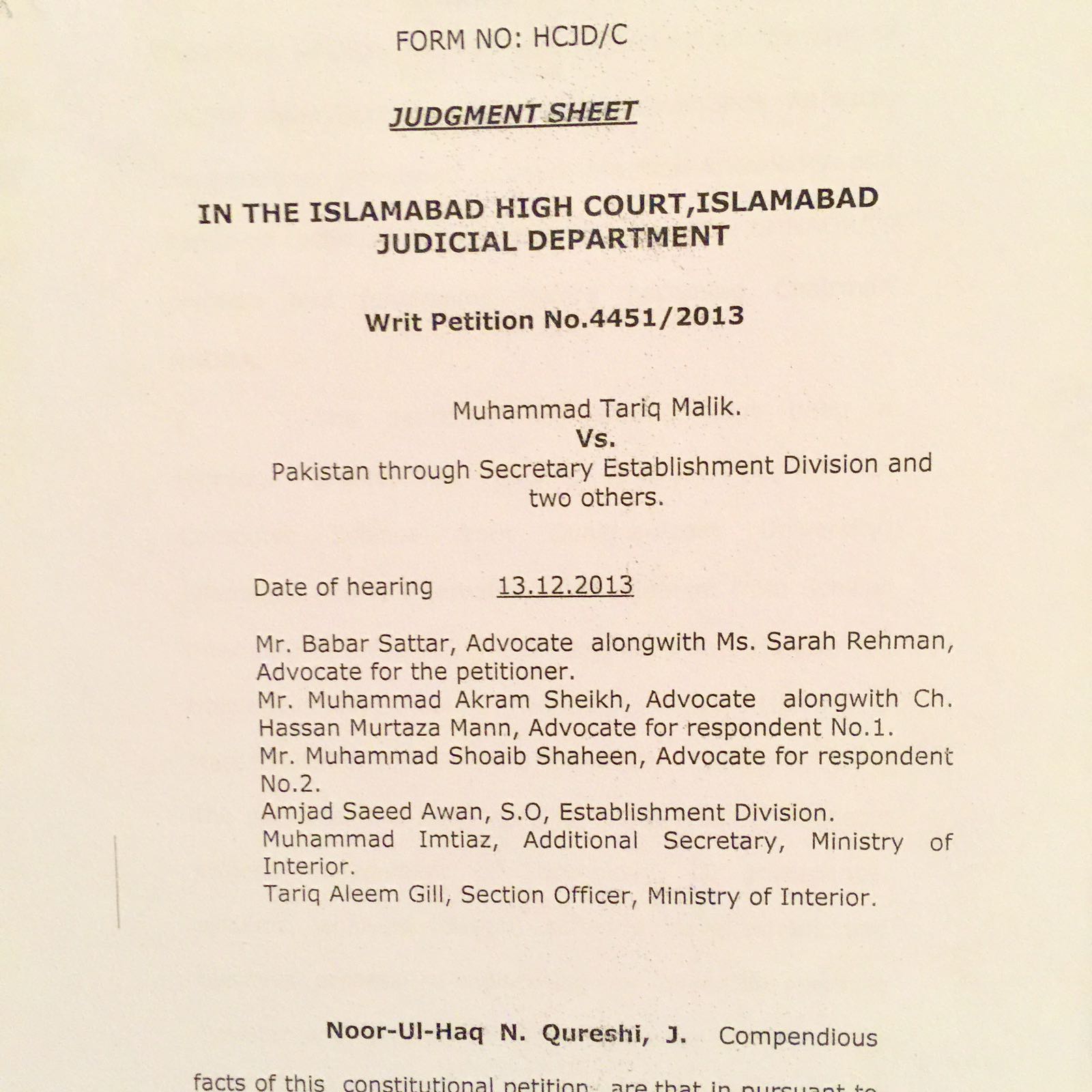
An anti-terrorism court in Islamabad has sentenced the human rights lawyers Imaan Mazari-Hazir and her husband, Hadi Ali Chattha, to 10 years in prison over an alleged security breach during England's 2024 cricket tour of Pakistan, the BBC reported. The couple deny the charges.
Prosecutors accused the two of removing barriers from a road designated for the English team's security convoy and obstructing police officers at Zero Point, a major interchange in Islamabad, on Oct. 25, 2024, according to the BBC. Each was sentenced to 10 years under the Anti-Terrorism Act, plus terms of one and two years for obstructing and using force against public servants, to run concurrently. The court also fined each of them 200,000 Pakistani rupees, about $723, the BBC reported.
In statements recorded during the trial, the couple described themselves as "prisoners of conscience." "I am being punished for not only supporting my wife's work and activism, but for choosing this path of resisting injustice as our life journey together," Chattha said in a statement reported by Dawn News and cited by the BBC. They had earlier said they were "being made an example to further cement the chilling effect against those who stand (or want to stand) against tyranny, oppression, and injustice."
Amnesty International responded with a statement from Yasmine Ahmed, its senior director for regional human rights impact. "These convictions are an indictment of Pakistan's justice system," she said. "This was not just Imaan and Hadi on trial, it was a test of the judiciary's ability to uphold the principles of justice and the right to fair trial. It has failed that test miserably. It is clear that these 'anti-terrorism' charges are being used to punish Imaan and Hadi for their human rights advocacy."
Amnesty said the couple "have been consistently denied the right to an open and fair trial, which they were initially barred from attending in person," and that the trial "was later shifted inside the prison premises where they were kept behind a cage-like structure during the hearings." It called on authorities to "immediately release Imaan and Hadi and drop all charges against them," adding that "the weaponization of anti-terror laws to target dissent has become a norm in Pakistan."
Friday's case is the latest in a string. According to Amnesty's account, the two were sentenced on Jan. 24, 2026, to 10 to 17 years under the Prevention of Electronic Crimes Act for social media posts criticizing the military and expressing solidarity with Baloch and Pashtun activists. The BBC reported they have been in custody since Jan. 23, when they were arrested in a separate case over an alleged altercation outside the Islamabad High Court.
Pakistan's Supreme Court suspended the electronic-crimes sentences and granted bail on Sept. 17, Amnesty said, but the couple were re-arrested under anti-terrorism charges the same day, before they could be released. In that case they are accused of chanting "anti-government slogans" and allegedly "blocking roads" during a protest by Baloch activists in March 2025, and their bail applications are still pending, according to Amnesty. They have been held at Adiala Jail in Rawalpindi, the BBC reported.
Mazari-Hazir and Chattha have represented activists, journalists and marginalized communities affected by enforced disappearances, as well as people facing what Amnesty called "unjust charges by the state" and cases under Pakistan's blasphemy laws, according to Amnesty and the BBC. Their prosecutions have drawn repeated criticism from international human rights organizations concerned about the treatment of lawyers and activists in Pakistan, the BBC reported. Mazari-Hazir's mother, Shireen Mazari, served as human rights minister in the government of former Prime Minister Imran Khan, the BBC noted.
Amnesty placed the verdict against wider concerns about judicial independence after Pakistan's 26th and 27th constitutional amendments. It said two Supreme Court justices and a high court judge resigned in protest a year ago after the 27th amendment, and that, the day before the verdict, a judge of the Lahore High Court resigned citing executive interference in judicial functions. The group separately warned this month that a state of emergency in Khyber Pakhtunkhwa province, with governor's rule and army deployment, "must not be pretext to crackdown on human rights."
The BBC report did not include a response from Pakistani authorities to the criticism.
Pending: whether the couple will appeal the anti-terrorism conviction, and rulings on bail in the protest case.
Sources
- BBC: Human rights lawyer couple sentenced to 10 years' prison in Pakistan (Oct. 30) (opens in a new tab)
- Amnesty International: Pakistan: Terrorism conviction of human rights lawyers an indictment of justice system (Oct. 2026) (opens in a new tab)
- Amnesty International: Pakistan: Declaration of emergency must not be pretext to crackdown on human rights (Oct. 2026) (opens in a new tab)