Back in Caracas, Machado Says Venezuela Will Vote in 2027 and Calls the Transition 'Irreversible'; Rodríguez Wants to Run It
The Nobel laureate thanked the Trump administration for capturing Nicolás Maduro, said she had no invitation from interim President Delcy Rodríguez, and will stay out of election talks. Neither side has set a date.
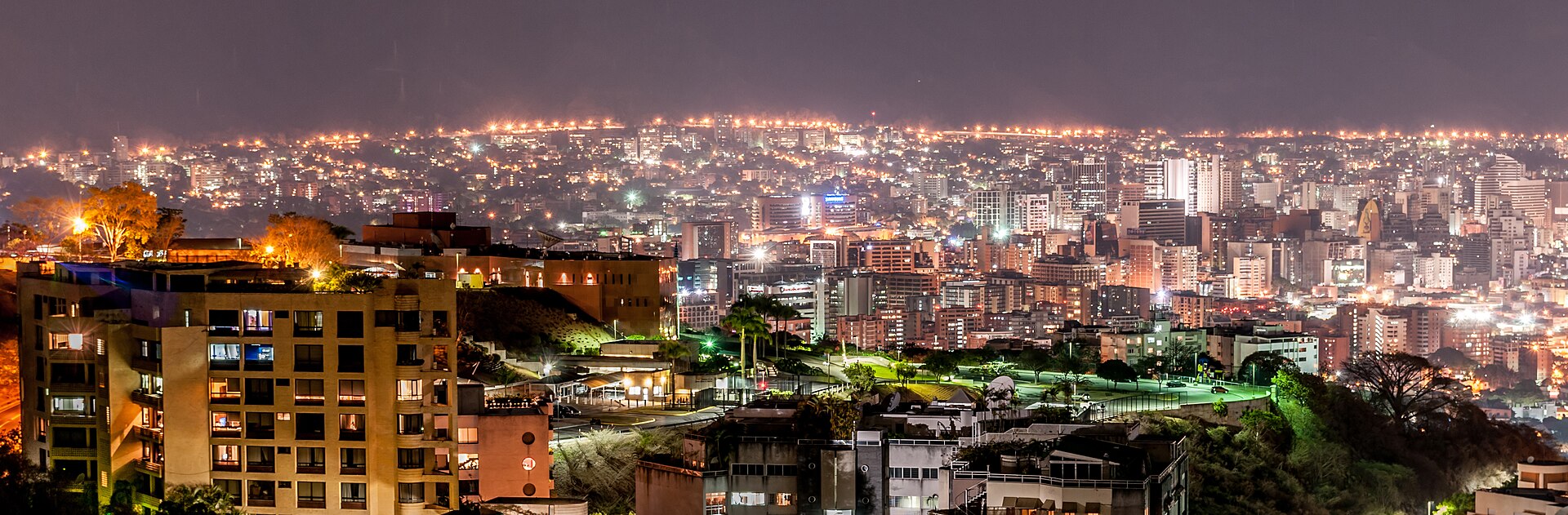
Venezuelan opposition leader María Corina Machado, back in her country for the first time since the U.S. arrest of Nicolás Maduro, called Thursday for elections next year and said Venezuela's move toward democracy is "irreversible," the BBC reported.
Machado, the Nobel Peace Prize laureate, spoke at a news conference in Caracas days after arriving Sunday, Oct. 25, to crowds of supporters, according to the BBC and NPR. She said the transition would be "irreversible, organised, pacific," standing in front of a slogan that read "Let Us Be Free." "I come to carry out a task and complete a mandate," she said. She said she had heard one word repeated by the thousands who lined her route into the capital: freedom.
She also thanked the Trump administration for opening the "floodgate to freedom" by capturing Maduro, her longtime opponent, the BBC reported. Machado led the opposition to Maduro and left Venezuela in 2025 after more than a year in hiding, NPR reported. The BBC said she left by speedboat, in darkness, to travel to Norway and accept the Nobel Prize, and that U.S. forces seized Maduro soon after, in January. Maduro has since pleaded not guilty in New York to new torture-related charges, according to the BBC.
The Trump administration then backed Delcy Rodríguez, Maduro's vice president, as leader. She was sworn in as interim president and later signed an oil deal granting favorable terms to the United States, the BBC reported. Machado's ability to return depended on the administration's approval, according to the BBC, and her earlier attempts to re-enter the country had failed.
On the same day as Machado's news conference, Rodríguez said elections would be held and that her government should oversee a "transition of this magnitude," an idea Machado dismissed as illogical. Rodríguez did not set a date. Machado said the vote would come in 2027 but also gave no exact timeline.
Rodríguez's speech, delivered shortly before Machado spoke, was conciliatory in tone, the BBC reported. She said she had "instructed the security agencies that no one be detained without judicial order, except in cases of flagrant commission of crimes," and spoke of "the doors being open" to returning exiles, of dialogue and of building consensus.
Machado said she had received no message or invitation to meet from Rodríguez. She said she would not personally take part in election negotiations between opposition representatives and the government, but wished them well, with the goal of reforming the electoral body so that every Venezuelan, inside the country and abroad, could vote, according to the BBC.
NPR's State of the World program reported that Machado's presence is adding pressure on the U.S.-backed government in Caracas to hold elections. What she will do next is unclear, the BBC reported, but she has said she would run for president again if an election were held.
The relationship with Washington has been rearranged since she left, the BBC's Will Grant reported in an analysis of her return. Machado had long been seen as Washington's favored alternative to Maduro; she came back to find the Trump administration "perfectly happy" with Rodríguez, at least for now. President Trump has called Rodríguez "wonderful" and "a terrific person." The administration recently signed an oil deal giving the U.S. a 100-year concession over 65 billion barrels of Venezuelan crude, reached with a company called North American Blue Energy Partners, run by businessman Alejandro Betancourt. Machado has criticized the deal, the BBC reported, aiming her criticism at Caracas and Betancourt rather than at Trump, to whom she gave her peace prize.
Secretary of State Marco Rubio said her "safe return" was "the direct result of the US-supported reconciliation talks," according to the BBC, which reported she had made at least eight attempts to return by air and sea before the administration gave her the green light. Rodríguez called the return a "show," and state television ignored the livestreamed caravan from Lara state to the capital. Machado still faces charges in Venezuela ranging from treason to conspiracy, which she and her supporters have long called politically motivated and baseless.
Venezuelan political analyst Benigno Alarcón called her return "the most significant [political] event since 3rd January," telling the BBC that "her ability to mobilise her support remains intact." He pointed to a joint study by the think tanks Polis and Nexo suggesting Venezuela saw three times as many street protests in the first nine months of this year as in all of 2025, the BBC reported.
Pending: a date for the vote, any meeting between Machado and Rodríguez, and the shape of electoral reforms.
Sources
- BBC: Venezuela opposition leader María Machado calls for elections upon return (Oct. 29) (opens in a new tab)
- BBC: Opposition leader María Machado returns from exile to a Venezuela reshaped by Trump (opens in a new tab)
- NPR State of the World: Venezuela's popular opposition leader returns to the country (Oct. 29) (opens in a new tab)