Boston Legal Aid Groups Sue Over ICE Policy That Removed Thousands From Detainee Locator
The lawsuit, filed Wednesday in federal court in Boston, says a Sept. 15 change hides anyone with a final removal order from ICE's online locator, leaving families and lawyers unable to find them. The groups call it unlawful under the APA, FOIA and the First Amendment.
Greater Boston Legal Services, the Rian Immigrant Center and other immigrant support organizations sued the Department of Homeland Security in U.S. District Court in Boston on Wednesday over a change to Immigration and Customs Enforcement's Online Detainee Locator System, the public website families and lawyers use to find people in immigration detention.
According to the complaint, as quoted by Universal Hub, a policy that took effect Sept. 15 removed from the locator everyone in custody who has an "administratively final order of removal." The plaintiffs write: "Overnight, thousands of people in detention vanished from ODLS, leaving family members and attorneys to scramble to find their loved ones and clients, attempting to confirm that they had not been transferred, removed, or had some other harm befall them."
The locator has long been the starting point for anyone trying to reach a detained person. A lawyer generally needs to know which facility is holding a client to schedule a call or a visit, file paperwork in the right court or ask for a stay of removal. People with final removal orders are often the ones closest to deportation, which the plaintiffs say is when access to counsel matters most.
"The damage caused by the ODLS Final Order Policy compounds each time a new person with a final order of removal is detained," the complaint says. "The Policy is a direct barrier to attorney access. By refusing to disclose the location of clients and potential clients, DHS has left attorneys in the dark and unable to communicate with these people."
The groups allege the change "appears to be an effort by DHS to aid in its mass deportation campaign, and to avoid judicial oversight." They also write that the government has "a history of obstructing access to counsel, moving detained people across the country without any notice, and holding them in places no lawyer can access." Those are allegations in a complaint; a court has not ruled on them.
The plaintiffs are represented by the American Civil Liberties Union, the National Lawyers Guild and the National Immigration Law Center. They make three main legal claims: that the change is arbitrary and capricious and so violates the Administrative Procedure Act, that it violates the Freedom of Information Act, and that it violates the First Amendment. On the last point, they write that they seek "to safeguard a critical First Amendment right - the ability to communicate with people the government chooses to detain." The suit asks a judge to stay the policy while the case proceeds.
Universal Hub's report did not include a response from DHS or ICE, and none had been published as of Thursday morning. The case was filed in the same week that a hacking group exposed names, work phone numbers and work addresses of more than 40,000 DHS personnel, according to NPR and the BBC, a breach DHS said it was working to address.
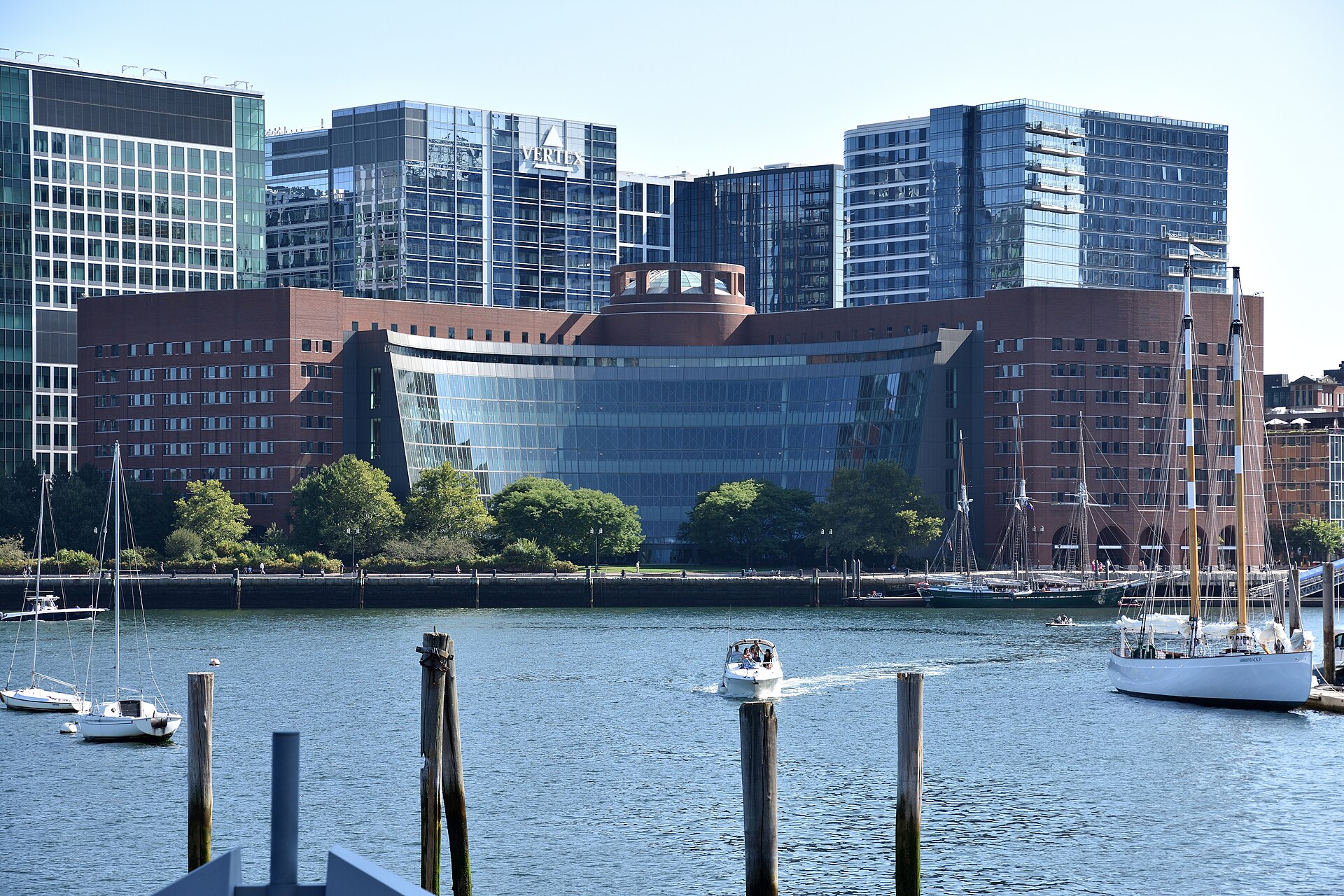
The case will be assigned to a judge in the John Joseph Moakley U.S. Courthouse. Whether the court will act quickly on the request to stay the policy, and how many people have been removed from the locator, are not yet public. The complaint describes the number only as "thousands."