Cambridge Council Votes 5-4 to Ask Pension Fund to Divest, Rejects Procurement Boycott
At a special meeting Wednesday, the council adopted Vice Mayor Burhan Azeem's version of a divestment order that does not endorse the BDS platform, then voted down a separate order that would have restricted city purchasing. Police unions had warned about body cameras.
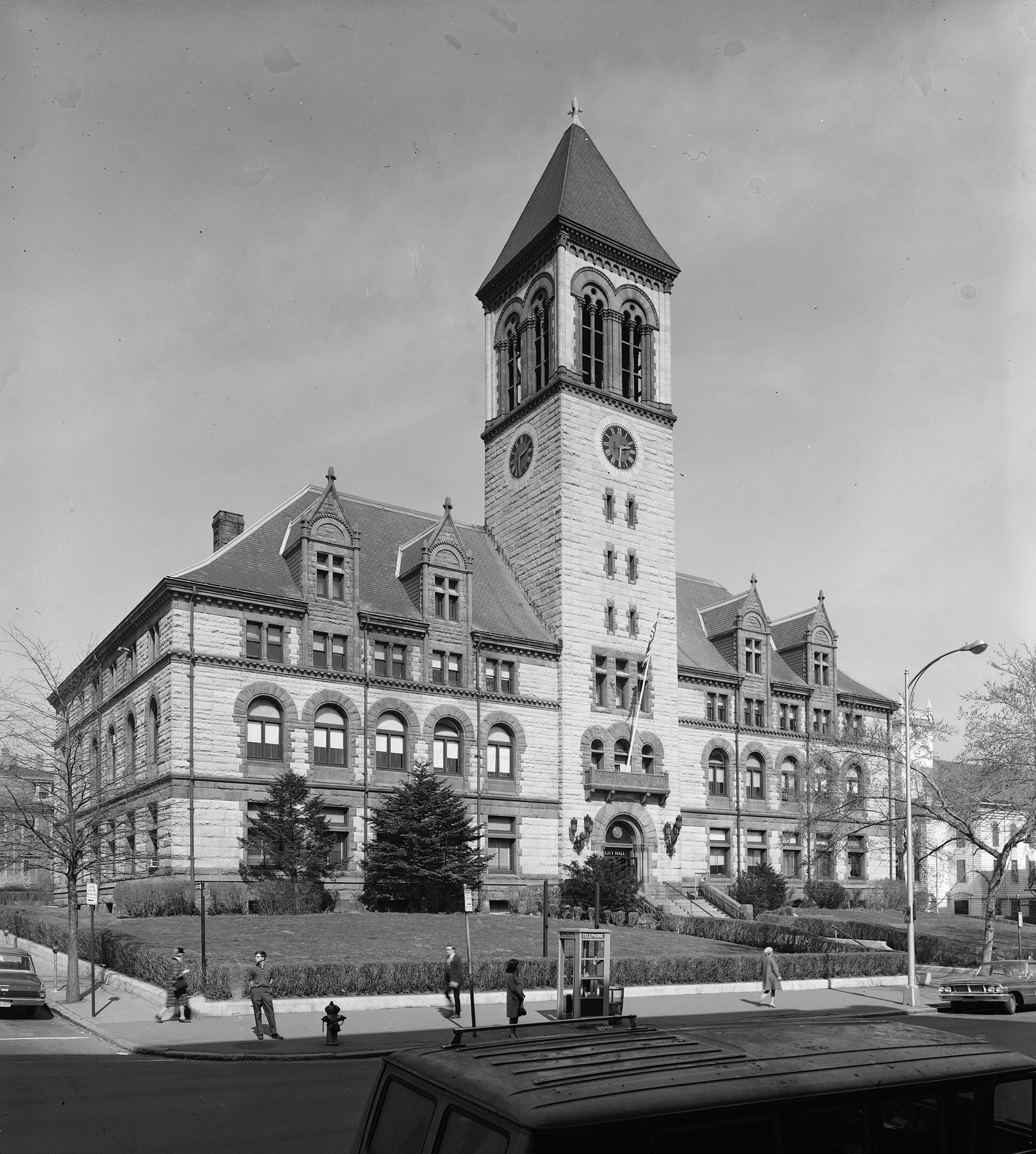
The Cambridge City Council voted 5-4 at a special meeting Wednesday afternoon to call on the city's retirement system and its other post-employment benefits fund to divest from "companies with severe and consistent involvement directly contributing to genocide, apartheid, and occupation of Palestinians," according to Cambridge Day. Minutes later, the same body rejected a companion order that would have begun drafting language to bar the city from buying from companies that do business with the Israeli military.
The split outcome ends, for now, a fight that has filled Sullivan Chamber for weeks. The orders, numbered Policy Orders 2026-195 and 2026-196 on the council's agenda, were originally filed by Councillor Ayah Al-Zubi and co-sponsored by Councillor Jivan Sobrinho-Wheeler. Both recommended boycotting and divesting from a list of 100 companies developed by the American Friends Service Committee and endorsed by leaders of the Boycott, Divestment and Sanctions movement. Azeem and Councillor Patty Nolan delayed them with a charter right, which pushed the debate to Wednesday's special session. The orders had drawn six hours of public comment at the council's Oct. 19 meeting; no public comment was allowed Wednesday.
What passed was not the original. Azeem filed a substitute that shares the goal of divesting but, in Cambridge Day's description, "explicitly did not endorse the BDS platform or the AFSC list." Instead it asks the city to develop its own divestment list, starting with companies that contract with the Israeli military, and names Palantir, Lockheed Martin and GE Aerospace. Councillor Marc McGovern added a clause noting that some of the same companies have been involved in conflicts in Sudan and the Democratic Republic of the Congo, and a last-minute amendment from Nolan noted the city's ties with Israeli institutions.
Al-Zubi, Azeem, McGovern, Sobrinho-Wheeler and Mayor Sumbul Siddiqui voted yes. Nolan and Councillors E. Denise Simmons, Tim Flaherty and Cathie Zusy voted no. A rival substitute from Simmons, which would have directed the funds to divest from companies "regardless of the country or government involved" that contribute to "crimes against humanity, war crimes, support of terrorism, human trafficking, or unlawful forcible displacement," failed along the same 5-4 lines.
The debate turned on whether to name Israel. Simmons said singling out one country risked "fanning the flames" of antisemitism, which Cambridge Day noted is now the most common type of hate crime in Massachusetts. "Our policy order should help peace, not demonize the country and its people, give license for antisemitism, and harm our residents directly," Nolan said, adding concern that the order could make the city a target for the Trump administration. Azeem countered that the council has passed orders about more than a dozen countries, among them Argentina, Azerbaijan, Cambodia and Djibouti. "This is about corporate responsibility and how the city of Cambridge invests public money," Siddiqui said. "It's not about anyone's religion, ethnicity, or identity."
The procurement order broke the majority. Azeem said that issue was more complicated and risked "fundamentally changing how we could procure things." McGovern raised the example of police body cameras, noting that only a few companies make one that records from a distance. That concern tracks a letter from the Cambridge Police Department's patrol officers' and superior officers' associations, published in Cambridge Day, which opposed both orders. The unions wrote that the purchasing limits "could affect companies that manufacture, supply and support equipment and technology essential to modern law enforcement," including body-worn cameras and police radios, and that even with exceptions for essential purchases, extra certifications "could create delays, reduce competition, increase costs or limit access to equipment." They also raised the effect of divestment on the retirement savings of police officers, firefighters and other city workers.
McGovern proposed asking the city solicitor for a legal opinion before any Ordinance Committee hearing; that amendment was voted down, and then the order itself failed, with Azeem, Nolan, Simmons, Flaherty and Zusy in the majority. Advocates in the chamber shouted "shame" and walked out, Cambridge Day reported.
Reactions were mixed on both sides. Malick Abban of Cambridge for Palestine said the group "could not be more proud" of the councillors who passed the divestment order but was frustrated by Azeem's procurement vote. Jeremy Burton, CEO of the Jewish Community Relations Council of Greater Boston, objected to the genocide language but called the result "a mixed bag because they made it very clear that they were rejecting the larger boycott movement."
A policy order is a request, not an ordinance. The divestment order asks the retirement board and the benefits fund to act; it does not by itself sell any holdings, and the order as described does not set a timeline. The city has not published its own divestment list, which the order directs it to begin developing.
What remains open: which companies beyond the three named will make the city's list, how the independent retirement board will respond, and whether supporters will refile a narrower purchasing proposal.