The Fed Held Rates Steady. The Two Dissenters Wanted a Hike, Not a Cut
The FOMC kept its target range at 3.75 to 4 percent on a 10-2 vote. Governor Lisa Cook and Cleveland Fed President Beth Hammack preferred a quarter-point increase. The statement calls inflation 'elevated' and growth 'strong.'
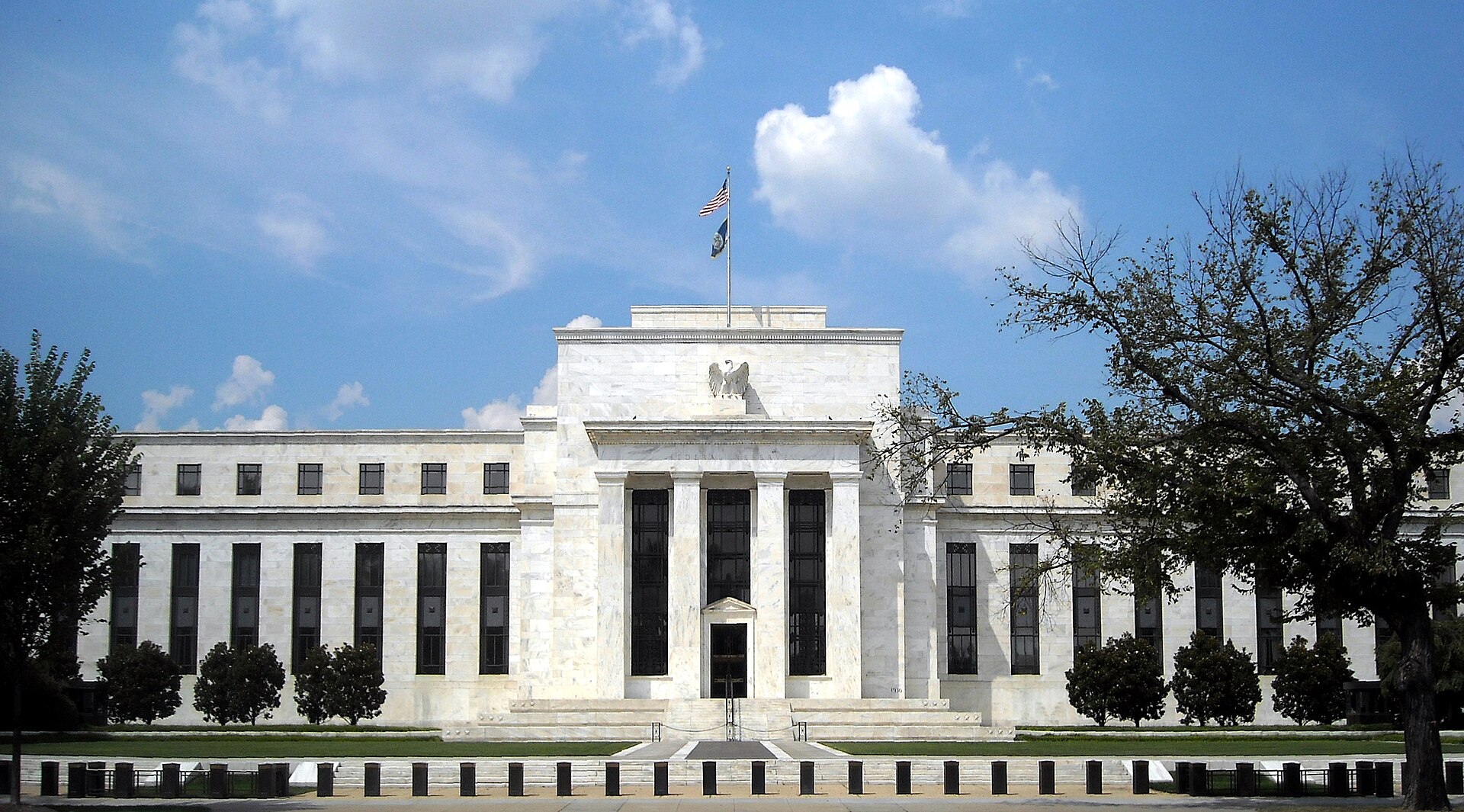
The Federal Reserve left its benchmark interest rate unchanged Wednesday, keeping the target range for the federal funds rate at 3.75 to 4 percent, according to the Federal Open Market Committee's statement.
The vote was 10-2, and the direction of the dissent is the most notable part of the decision. Both dissenters, Governor Lisa D. Cook and Cleveland Federal Reserve Bank President Beth M. Hammack, "preferred to raise the target range for the federal funds rate by 1/4 percentage point at this meeting," the statement says. In other words, the only disagreement inside the committee was over whether policy should be tighter, not looser.
The statement's language explains why. "Economic activity is expanding at a strong pace," the committee wrote. "While uncertainty remains elevated owing, in part, to geopolitical developments, domestic spending has been resilient. Productivity growth is strong, and capital investment is robust. Job gains have kept pace with the workforce, and the unemployment rate has changed little."
On prices, the committee was blunt and brief: "Inflation remains elevated." It added that "the accumulation of more information will help the Committee determine the policy stance appropriate to ensure a timely return of inflation to the Committee's 2 percent goal," and closed with a single sentence: "The Committee will deliver price stability."
The statement gives no signal of a cut and does not promise any particular path for rates. Read together with the two dissents, the statement leaves open the possibility that the committee's next move could be up rather than down, though it does not say so.
NPR's coverage characterized the decision as the Fed holding rates "even as inflation remains stubborn." The committee also said it "is continuing its policy of maintaining ample reserves in the banking system," a reference to how it manages the level of reserves banks hold at the Fed.
For households, the federal funds rate influences the rates banks charge on credit cards, home equity lines and many business loans, and it affects savings yields. Mortgage rates are tied more closely to longer-term Treasury yields, which respond to expectations about where the Fed is heading as much as to any single decision.
The timing is also political. The decision came six days before the Nov. 3 midterm elections, with voters, according to NPR's reporting this week, focused on costs including gas prices.
What the statement does not say: how many officials expect a hike before year-end. The committee's next scheduled meeting is in December, when it will also publish updated economic projections.