UN Warns El Niño Could Be 'Off the Charts,' Releases $50 Million for Front-Line Countries
The World Meteorological Organization forecasts tropical Pacific temperatures near 3.8 degrees Celsius above normal by winter, beyond anything in its four-decade records. The UN's relief chief said 50 million people could face more hunger.
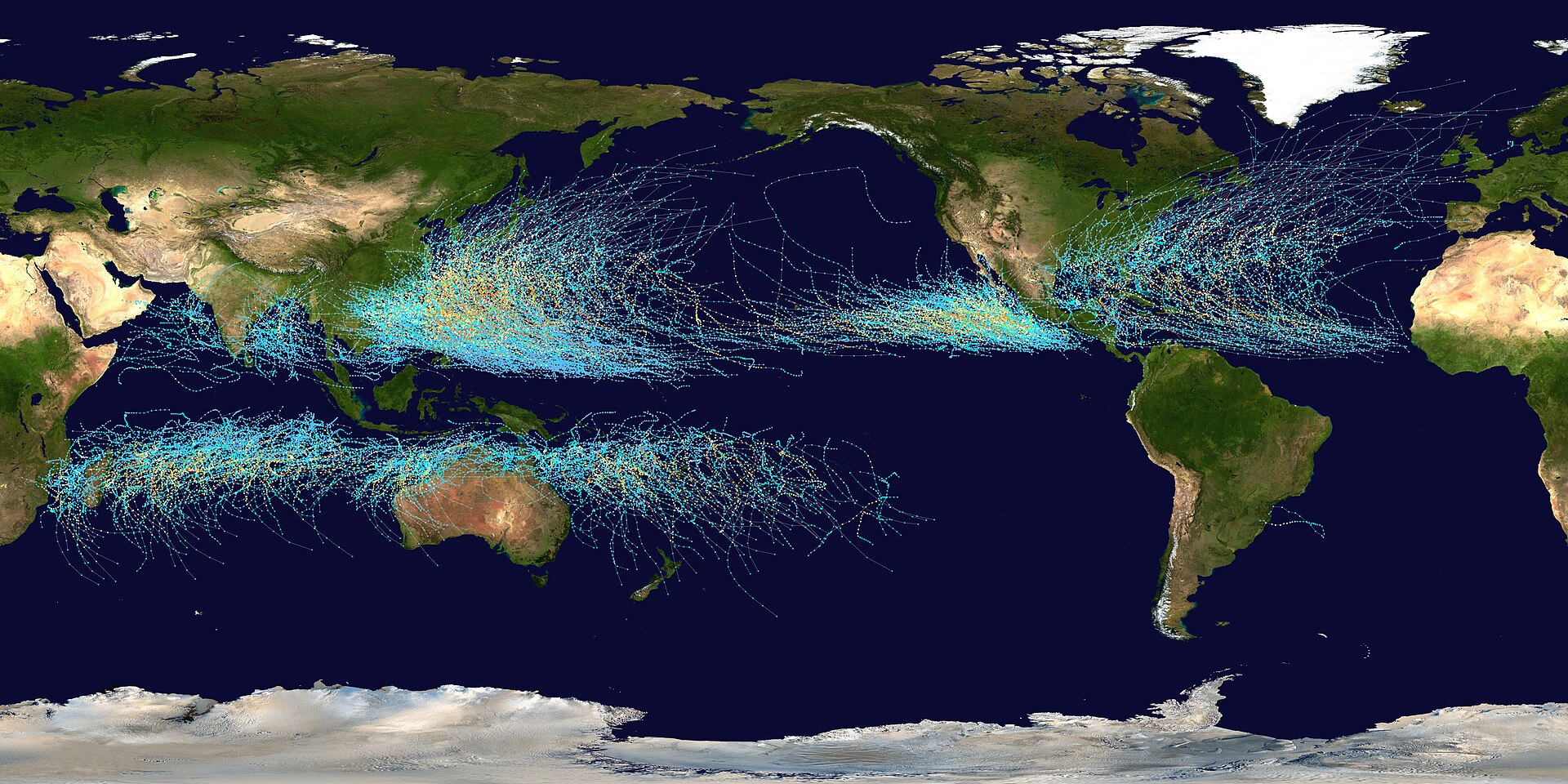
Two United Nations agencies appealed on Wednesday for immediate help for communities facing what they described as the strongest El Niño on record, as the World Meteorological Organization forecast ocean temperatures in the tropical Pacific beyond anything in its monitoring history, UN News reported.
"The current El Niño event could be unprecedented in strength - literally, off the monitoring charts that we have used for the past four decades - and will peak towards the end of 2026, but its impacts will be felt long after that," WMO Secretary-General Celeste Saulo said, according to UN News.
According to WMO's latest Global Seasonal Climate Update, sea surface temperatures in the tropical Pacific may rise to 3.8 degrees Celsius above average between November 2026 and January 2027. An anomaly of 0.5 degrees is enough to trigger a WMO El Niño alert. "We have not seen in our records 3.8," Saulo said, according to CBC News. "We have seen around [3 C] in some record El Niños before, with very substantive impacts across the world. So we are beyond that limit."
WMO's update says the Niño 3.4 index, the widely used measure of sea surface temperature anomalies in the central-eastern equatorial Pacific, rose from an average of 1.6 degrees above normal in June to 2.5 degrees above normal in August. For October through December, the seasonal average is forecast at about 3.7 degrees, peaking around December, which WMO said is the highest since observations began and stronger than the previous record of 2.6 degrees in November 2015 through January 2016.
"El Niño is firmly established and strengthening rapidly. WMO forecasts indicate a near-100 per cent likelihood that it will persist through February 2027," Saulo said. WMO said that figure is a consensus across 13 national and international forecasting centers. She noted that El Niño does not add new heat to the planet but releases heat stored beneath the ocean's surface, and that "the ocean it's drawing from is the warmest we've ever measured it."
El Niño is the warm phase of the naturally occurring El Niño-Southern Oscillation cycle and is not caused by climate change, CBC News noted, though global warming can make El Niños more intense because baseline temperatures are already higher. Earth had its hottest August on record, and global sea surface temperature reached an all-time observed high that month, according to WMO, citing Copernicus, NOAA and NASA.
The UN's emergency relief coordinator, Tom Fletcher, called the event "a behemoth" and "a wrecking ball that will likely tear through Latin America, eastern and southern Africa, Asia and the Pacific with extreme heat, droughts and floods," UN News reported. He said some 50 million people could face increased hunger and cited an African Development Bank estimate that El Niño will cost African countries $10 billion to $20 billion and reduce GDP by 1 to 2 percent.
Fletcher said the next two weeks are critical. Somalia, Ethiopia and Kenya urgently need funding and supplies in place before heavy rains arrive; southern Africa needs seeds and protection for livestock; and Central America needs immediate support to protect livelihoods, he said. He announced the release of more than $50 million from the Central Emergency Response Fund to help 11 countries, including Chad, El Salvador, Ethiopia, Somalia and South Sudan. "It would be an extraordinary failure to see this crisis coming, to hear the predictions from the experts, and yet still squander the opportunity to protect people in its path," he said.
WMO's forecast also points to shifted rainfall. Wetter-than-normal conditions are more likely across the Greater Horn of Africa, parts of Central Asia and coastal East Asia, northern parts of the Arabian Peninsula, parts of North America south of 45 degrees north latitude, and southeastern South America, while a broad dry signal is forecast over the western Pacific and the equatorial Atlantic, the agency said. CBC reported that WMO flagged flooding risk in southern Africa from November.
Fletcher said the humanitarian system is also strained by supply chain disruptions in the Strait of Hormuz and the Black Sea, linked to the U.S.-Iran war and Russia's invasion of Ukraine. In Papua New Guinea, UN News reported, water sources are drying up, crops are failing and food prices are rising months before the worst agricultural effects are expected.