Nigeria Confirms Imported Ebola Case in Abuja; U.S. to Require Passenger Attestations
A woman who arrived from Uganda on Oct. 3 tested positive for the Bundibugyo strain, making Nigeria the fifth country to detect the virus in an outbreak centered in Congo. The CDC will require air travelers to the U.S. to attest they have not been in Congo.
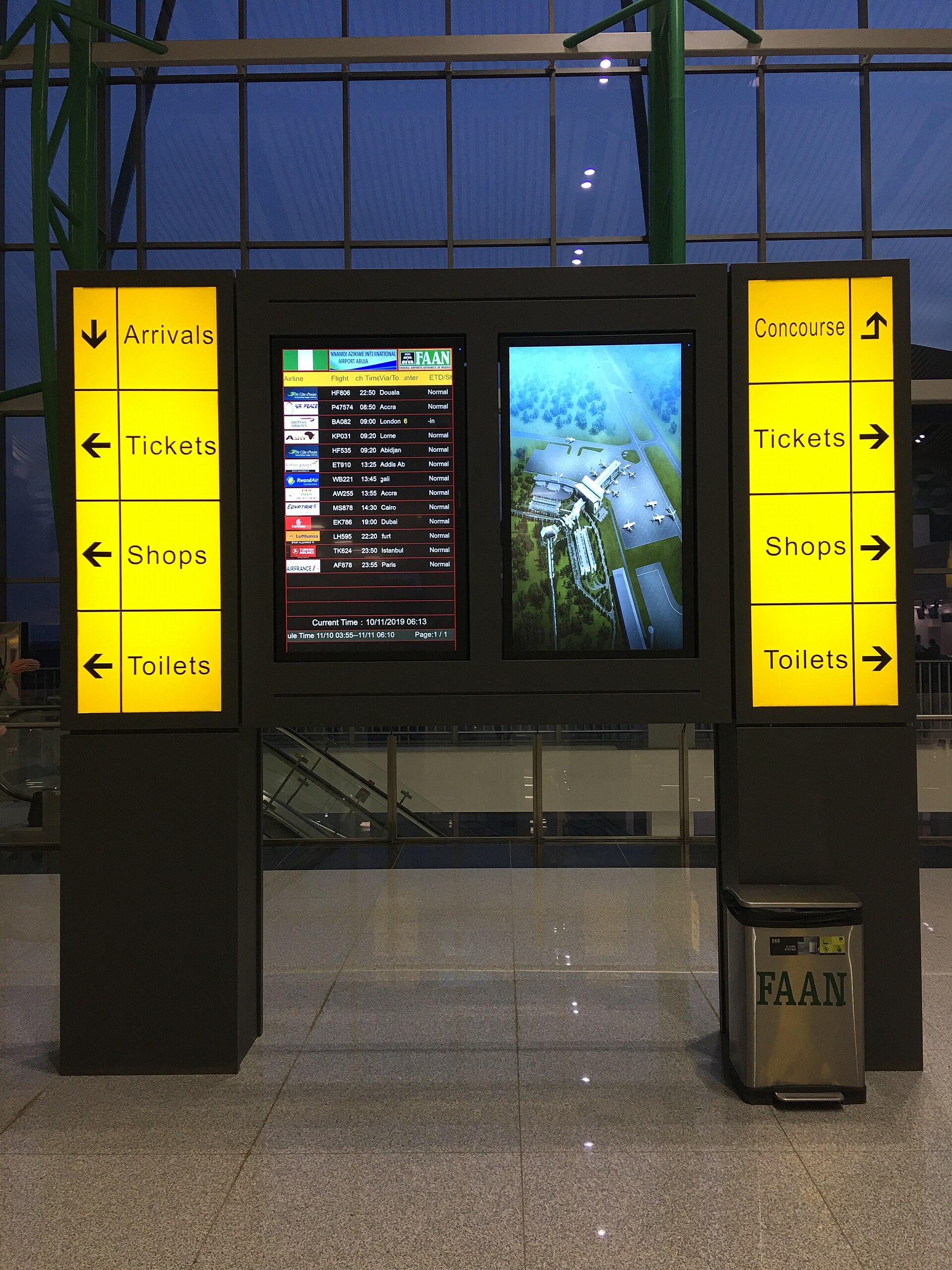
Nigeria has confirmed an imported case of Ebola disease caused by the Bundibugyo virus in its Federal Capital Territory, becoming the fifth country to detect the virus since an outbreak was declared in the Democratic Republic of the Congo on May 15, 2026, the World Health Organization's Africa office said.
According to Nigeria's Federal Ministry of Health and Social Welfare, the patient is a woman with recent travel to Uganda. Her symptoms began on Oct. 7, four days after she arrived in Nigeria, and she sought care at a private health facility in Abuja on Oct. 11, WHO said. A laboratory test confirmed the Bundibugyo virus on Oct. 20. She is in isolation and receiving care, and investigators are working to establish the likely source of her infection and reconstruct her travel and exposure history.
The ministry reports that 44 contacts have been identified and are being monitored, according to WHO. Nigeria's Coordinating Minister of Health and Social Welfare, Muhammad Pate, told reporters in Abuja that surveillance had been strengthened at the country's entry points, Channels Television reported. The Nigeria Centre for Disease Control and Prevention has activated its incident management system, and infection prevention and control measures are being stepped up at the private facility where the patient sought care, WHO said.
Channels Television also reported that the Federal Ministry of Aviation and Aerospace Development directed the Federal Airports Authority of Nigeria to place 46 people identified as contacts of the patient on a no-fly list for at least 21 days. The difference between that figure and the ministry's count of 44 monitored contacts was not explained in the reports.
Africa CDC Director General Jean Kaseya said on Channels Television that the patient is Ugandan-born and arrived in Abuja with her husband on Oct. 3 after spending several days in Uganda. "Now, what we want is collaboration from this person, the lady. She has to disclose to the authorities," Kaseya said, asking whether she had traveled to Congo, left Kampala or had contact with someone from Congo. "It will help all of us to avoid crisis between African countries." Ugandan authorities have said there is no outbreak in Uganda, Channels reported.
Kaseya said the Bundibugyo strain is the most geographically widespread, affecting West, Southern and East Africa, but that the continent is not in panic mode. He said Africa CDC had started clinical trials of new vaccines, including a Bundibugyo vaccine manufactured in Egypt. He said some partners treat Ebola as an African issue, and that "if this outbreak was in Western countries, vaccines would already be available," according to Channels.
The outbreak centered in Congo has killed more than 4,600 people and sickened nearly 10,000, Democracy Now reported, calling it the fastest-spreading Ebola outbreak on record. The Abuja patient is Nigeria's first Ebola case in more than a decade, according to Democracy Now. WHO said Kenya has reported nine cases linked to an imported case in recent weeks.
WHO urged countries in the region to maintain a high level of readiness, including surveillance, laboratory testing capacity, rapid response teams, infection control in public and private health facilities and monitoring at points of entry. It advised against restrictions on travel to or trade with affected countries.
Nigeria's Senate on Wednesday called for emergency funding to strengthen disease surveillance and for mandatory health screening at international airports, seaports and designated land borders, and the House of Representatives called for public awareness campaigns and early preparation of isolation camps, Channels reported.
In the United States, the Centers for Disease Control and Prevention has issued an order requiring every passenger boarding an international flight to the United States to attest that they were not in the Democratic Republic of the Congo during the previous 21 days. The order takes effect Nov. 3 at 11:59 p.m. Eastern time, and airlines must collect the attestations and deny boarding to anyone who cannot provide one, except for CDC-authorized exemptions, according to the CDC. The order covers Congo, not Uganda or Nigeria.
WHO said it and its partners are working with Nigerian health authorities on case investigation, contact tracing, infection prevention and control, and supplies including personal protective equipment for health workers. The CDC also publishes guidance for travelers returning from Ebola-affected areas.
Sources
- WHO Regional Office for Africa: Nigeria confirms imported case of Ebola Bundibugyo virus disease (opens in a new tab)
- Channels Television: Ebola patient in Nigeria is Ugandan-born, arrived Abuja October 3 - Africa CDC (opens in a new tab)
- Democracy Now: Headlines for October 22, 2026 (opens in a new tab)
- CDC: Order requiring attestation for all air passengers arriving in the United States (opens in a new tab)
- CDC: Information for travelers returning from Ebola-affected areas (opens in a new tab)