USDA's $8 Billion Fuel Relief for Farmers Was Announced on the Campaign Trail. The Checks Likely Won't Arrive Until 2027
Payment rates for major crops come in November; specialty growers and fishermen are being asked to email their own fuel data. Wheat growers say diesel is up 65%. Cattle and logging groups say they were left out.
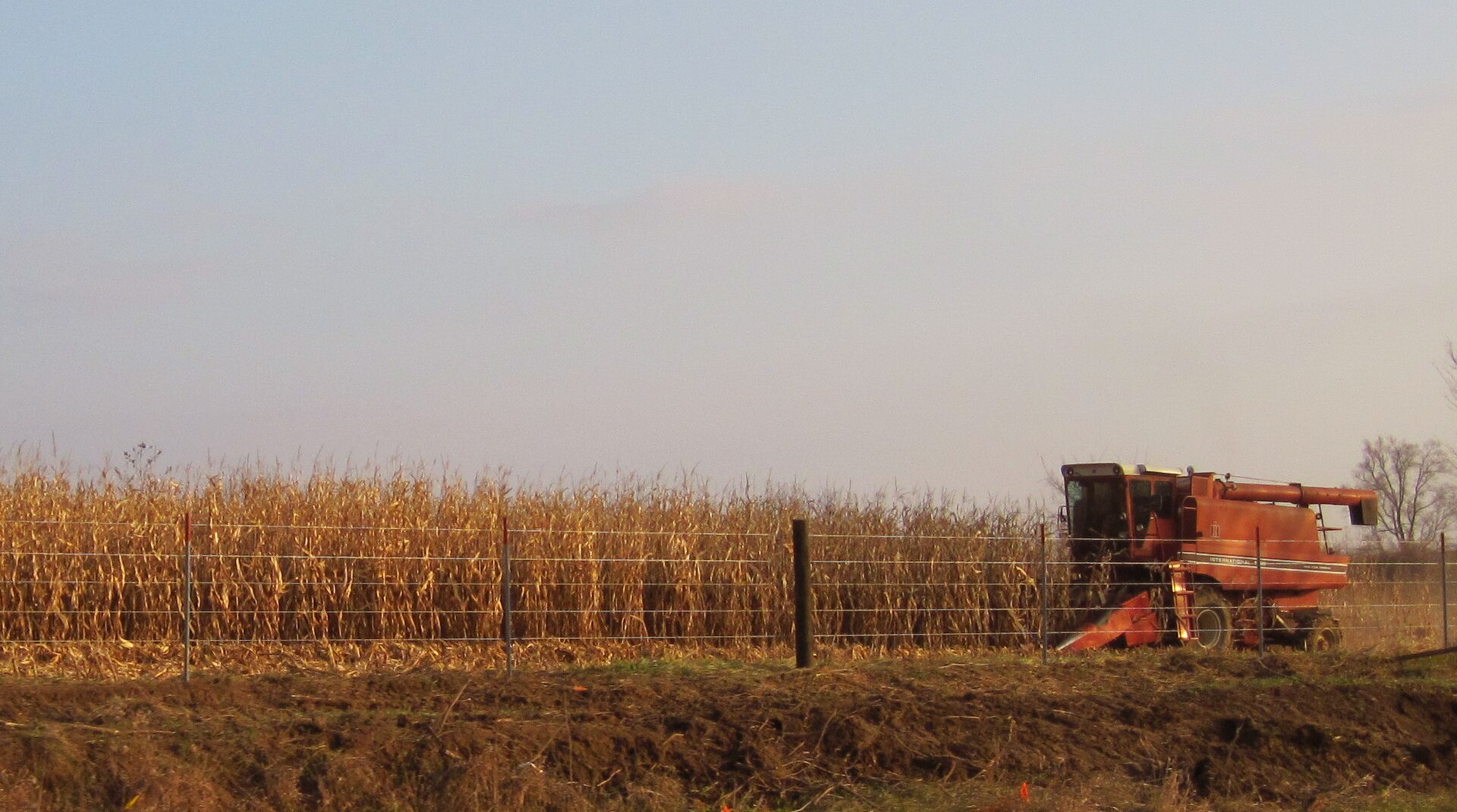
The U.S. Department of Agriculture's $8 billion Harvest Fuel Relief program, announced Oct. 19 by President Donald Trump and Agriculture Secretary Brooke Rollins, will pay farmers a portion of modeled losses from higher costs this harvest season, but farm groups say the money is unlikely to arrive before next year, according to USDA and DTN reporting.
The program will provide one-time payments "to provide relief during temporary market disruptions and increased input costs," USDA said. It is modeled on the earlier Farmer Bridge Assistance program and will use a uniform formula to cover part of modeled losses for the 2026 crop year, based on planted acres reported to the Farm Service Agency, Economic Research Service cost-of-production estimates, and federal yield and price estimates.
"President Trump is the most pro-farmer president of my lifetime and he is continuing to put Farmers First every day," Rollins said in the release. "This $8 billion dollar investment will help bring certainty to our farmers during this harvest so they can continue to feed our nation."
The money is authorized under the Commodity Credit Corporation Charter Act and will be run by the Farm Service Agency. Payment rates for Title I commodities, the major row crops covered by the farm bill, will be released in November. The method for other commodities will be announced later. Crop insurance is not required to participate, USDA said.
Producers of non-Title I commodities, including specialty crop growers and fishermen, are being asked to send data on increased fuel costs to [email protected] for USDA to consider when setting rates. USDA is urging eligible producers to create a Login.gov account now; pre-filled applications will be available online to producers whose Login.gov accounts are linked to USDA.
The timing has drawn attention because the program was announced, as DTN put it, "on the midterm campaign trail" with Trump. Grower groups do not expect payments in 2026. "I can't imagine that the agency is going to be able to get things out much faster than three months," Sam Kieffer, CEO of the National Association of Wheat Growers, told DTN. Under past ad hoc programs, producers have waited an average of three months between the announcement of payment rates and receiving money, and the 2026 Specialty Crop Farmer Bridge Assistance Program took nearly four months, DTN reported. That could push the fuel payments into 2027, ending the year with $47.4 billion in direct government farm payments, according to USDA calculations cited by DTN.
Kieffer welcomed the aid with caution. "The business plan that they are executing was written before fuel increased by 65%, before trading partners started pulling back, before steel and aluminum tariffs started causing repair parts to increase 60% to 80%," he said. Some wheat growers plant and harvest in the fall, exposing them to high fuel costs twice.
Others feel left out. The National Farmers Union said it has "questions about how this program will serve specialty crop growers, who have been asked to submit their own cost data with no clarity yet on whether or how they'll be covered." The U.S. Cattlemen's Association criticized the program for not addressing cattle transportation costs. "If the Administration is looking at impacts to agriculture by record high fuel prices, each industry should be considered," said its president, Justin Tupper. Sen. Chuck Grassley, R-Iowa, said he would support extending aid to livestock producers.
The Forest Resources Association asked for a separate diesel relief program for loggers and log haulers, who its CEO Tim O'Hara said are absorbing "unsustainable, multi-thousand-dollar weekly spikes in diesel costs with zero federal support."
Republican lawmakers say the fuel program should not replace a separate $12 billion farm aid package. "We believe that at least $12 billion is still necessary to help farmers recover from their market and weather losses in 2025 and 2026," Sen. Deb Fischer, R-Neb., told DTN. The White House's $87.6 billion supplemental request includes $11.1 billion in agricultural aid, DTN reported.
USDA's release says the earlier bridge program paid $12 billion to more than 560,000 farmers, and nearly $14 billion in gross payments went out two weeks before the announcement through the ARC and PLC programs.
Still unknown: the actual per-acre payment rates, whether specialty crops, livestock or fishing will be covered, and when the first payments will go out.