Paychecks Rose 3.1% Over the Year, but After Inflation Private-Sector Wages Fell 0.6%; Boston-Area Wage Growth Lagged at 2.4%
The Employment Cost Index shows compensation up 0.8% in the third quarter. Union workers' pay grew faster than nonunion pay, and health benefit costs rose 6.4%. The Boston-Worcester-Providence area trailed the nation.
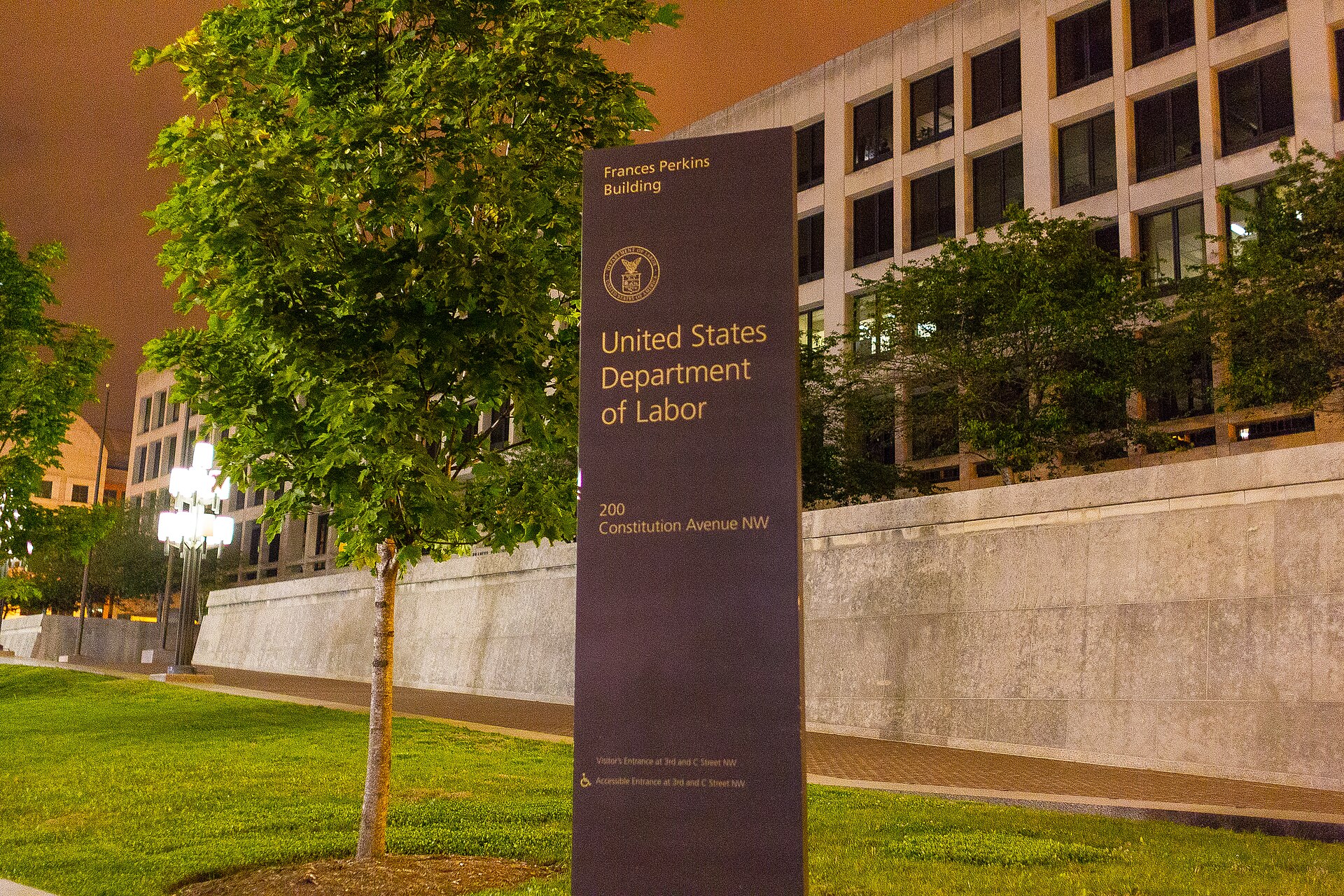
Employers' compensation costs for civilian workers rose 0.8% in the three months ending in September, and wages and salaries rose 3.1% over the past year, the Bureau of Labor Statistics reported Friday in its quarterly Employment Cost Index.
After adjusting for inflation, private-industry wages and salaries fell 0.6% over the 12 months, according to the release. For state and local government workers, inflation-adjusted wages fell 0.5%. A year earlier, in September 2025, inflation-adjusted civilian wages had grown 0.6%.
The Employment Cost Index is considered a cleaner measure of labor costs than average hourly earnings because it tracks the same jobs over time, so it is not distorted by shifts in which kinds of workers are employed.
For the quarter, civilian wages and salaries rose 0.7% and benefit costs 0.9%, seasonally adjusted. Over 12 months, total compensation rose 3.4%, wages 3.1% and benefits 3.9%, not seasonally adjusted.
In private industry, compensation rose 0.8% in the quarter, with wages and benefits each up 0.8% and 0.9%. Over the year, private compensation rose 3.4%. Health benefit costs for private workers rose 6.4% over the year, up from 6.0% in the June reading, the bureau's table shows.
Union workers did better. Compensation costs for private union workers rose 4.3% over the year, compared with 3.3% for nonunion workers. Wages rose 4.3% for union workers and 3.0% for nonunion workers, and benefit costs rose 4.3% and 3.9%.
State and local government compensation rose 0.6% in the quarter and 3.5% over the year, with wages up 3.2% and benefits 3.8%.
The regional data show the Boston area falling behind. For private industry in the Boston-Worcester-Providence metropolitan area, compensation costs rose 2.7% over the 12 months ending in September and wages and salaries rose 2.4%, according to the bureau's table of metropolitan areas. That trails the national private-sector wage increase of 3.1%.
Among the 15 largest metropolitan areas the bureau tracks, only two had slower private-sector wage growth over the year than greater Boston: Minneapolis-St. Paul at 2.0% and Houston at 2.2%. Atlanta was at 2.5% and New York at 2.7%. At the top were Washington-Baltimore at 4.0%, Seattle-Tacoma at 4.1%, Los Angeles at 3.9% and Phoenix at 3.9%, according to the table.
The Boston numbers have slowed over the past year. In the 12 months ending in September 2025, Boston-area private wages had risen 3.2% and total compensation 3.3%. By June 2026 those had slowed to 2.3% and 2.8%, and the September reading was 2.4% and 2.7%. Total compensation, which includes benefits, grew faster than wages in Boston, suggesting benefit costs are rising faster than pay.
Washington-Baltimore moved the other way. Its private wage growth was 1.9% a year ago and is now 4.0%, the table shows. New York slowed from 3.9% to 2.7%, and Houston from 5.0% to 2.2%.
Put next to inflation, those figures are stark. The Bureau of Economic Analysis reported Thursday that the PCE price index rose 3.6% over the year ending in September. A 2.4% nominal wage gain in greater Boston would leave the typical worker further behind than the national average. The bureau's own inflation adjustment for the ECI uses the Consumer Price Index rather than PCE, and it does not publish inflation-adjusted figures for metro areas.
The index is also the measure the Federal Reserve watches for signs that labor costs are feeding inflation. Over the past year, compensation growth has slowed from 3.5% to 3.4% nationally, and wage growth from 3.5% to 3.1%, while benefit costs have accelerated from 3.5% to 3.9%, the bureau's Table A shows.
The bureau said that beginning with December 2026 data, the index will introduce updated employment weights and remove workers' compensation costs from the measure.
The next Employment Cost Index, covering the fourth quarter, is scheduled for Friday, Jan. 29, 2027, at 8:30 a.m., the bureau said.
The metro areas are the 15 largest Combined Statistical Areas, based on federal area definitions from 2023; the Boston area includes Worcester and Providence and parts of New Hampshire.
Metro-area estimates are based on smaller samples than the national figures and can swing more from quarter to quarter. The bureau's tables do not explain why New England lagged.
Still unknown: whether the Boston-area slowdown reflects cuts in specific industries, such as higher education and health care, and whether the gap with national wage growth will persist into 2027.