Administration Asks Supreme Court to Let Border Wall Construction Resume in Big Bend
A federal judge in El Paso halted the work, finding the region has the lowest illegal-entry rate on the border. Solicitor General D. John Sauer calls her order 'baseless' and 'unprecedented.'
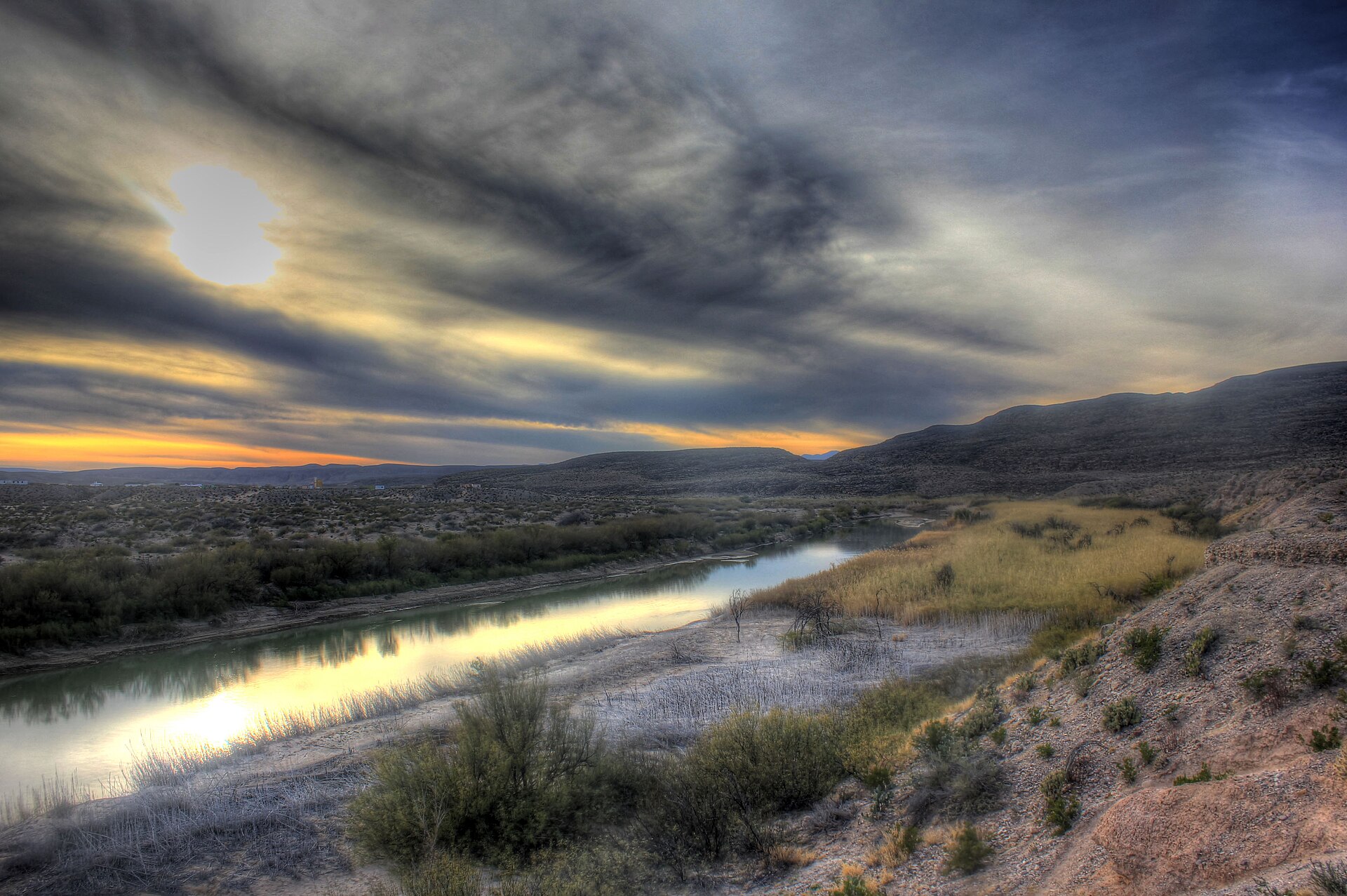
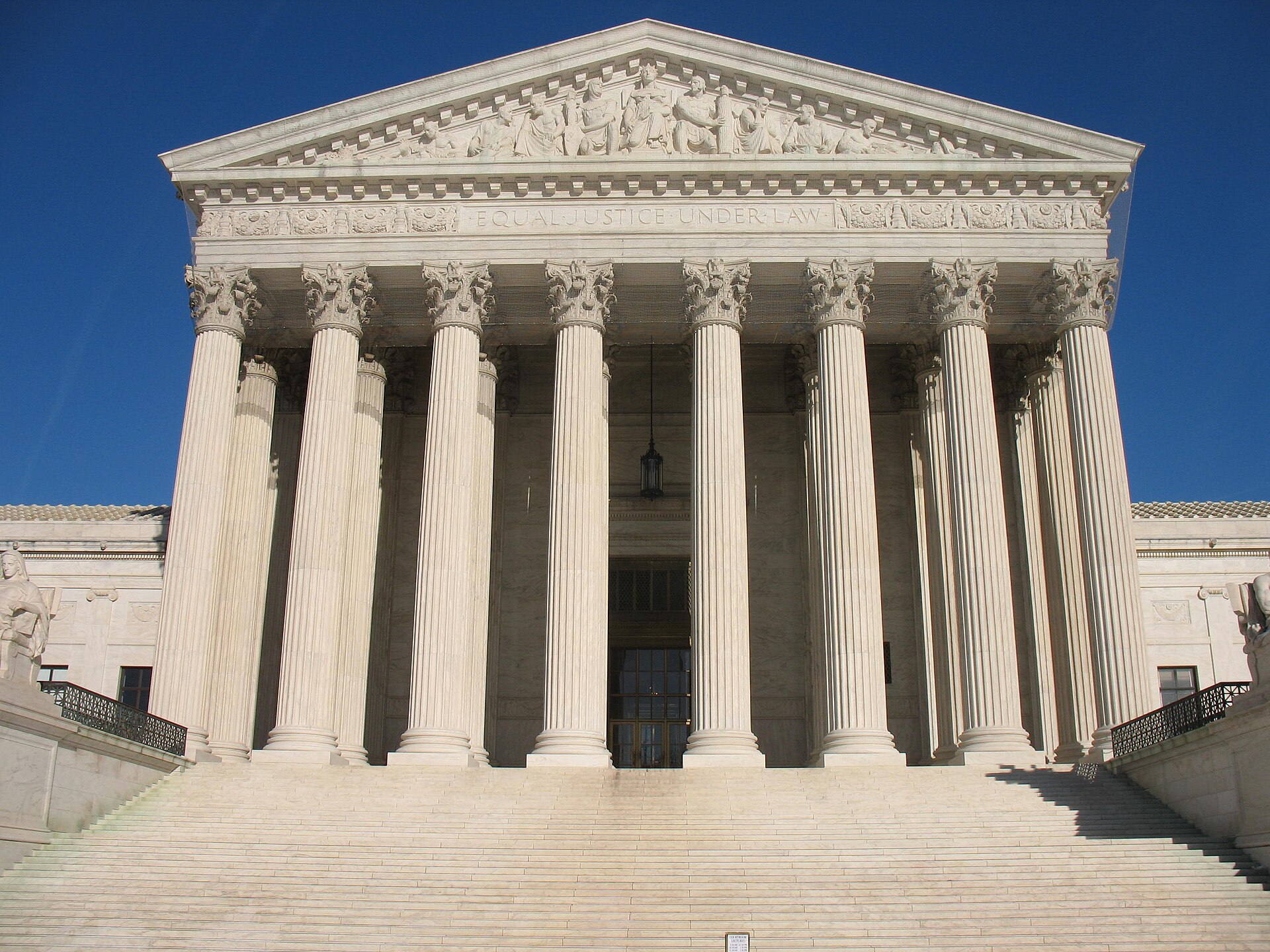
The Trump administration asked the U.S. Supreme Court on Wednesday, Oct. 21, to allow it to resume building a border wall in the Big Bend region of southwest Texas, including areas inside Big Bend National Park, after a federal judge in El Paso temporarily halted the construction.
The emergency application, Mullin v. Friends of the Ruidosa Church, No. 26A560, was filed with Justice Samuel Alito, who handles emergency matters from the U.S. Court of Appeals for the Fifth Circuit, according to the Supreme Court's docket. Solicitor General D. John Sauer called the trial judge's order "baseless" and "unprecedented," SCOTUSblog reported.
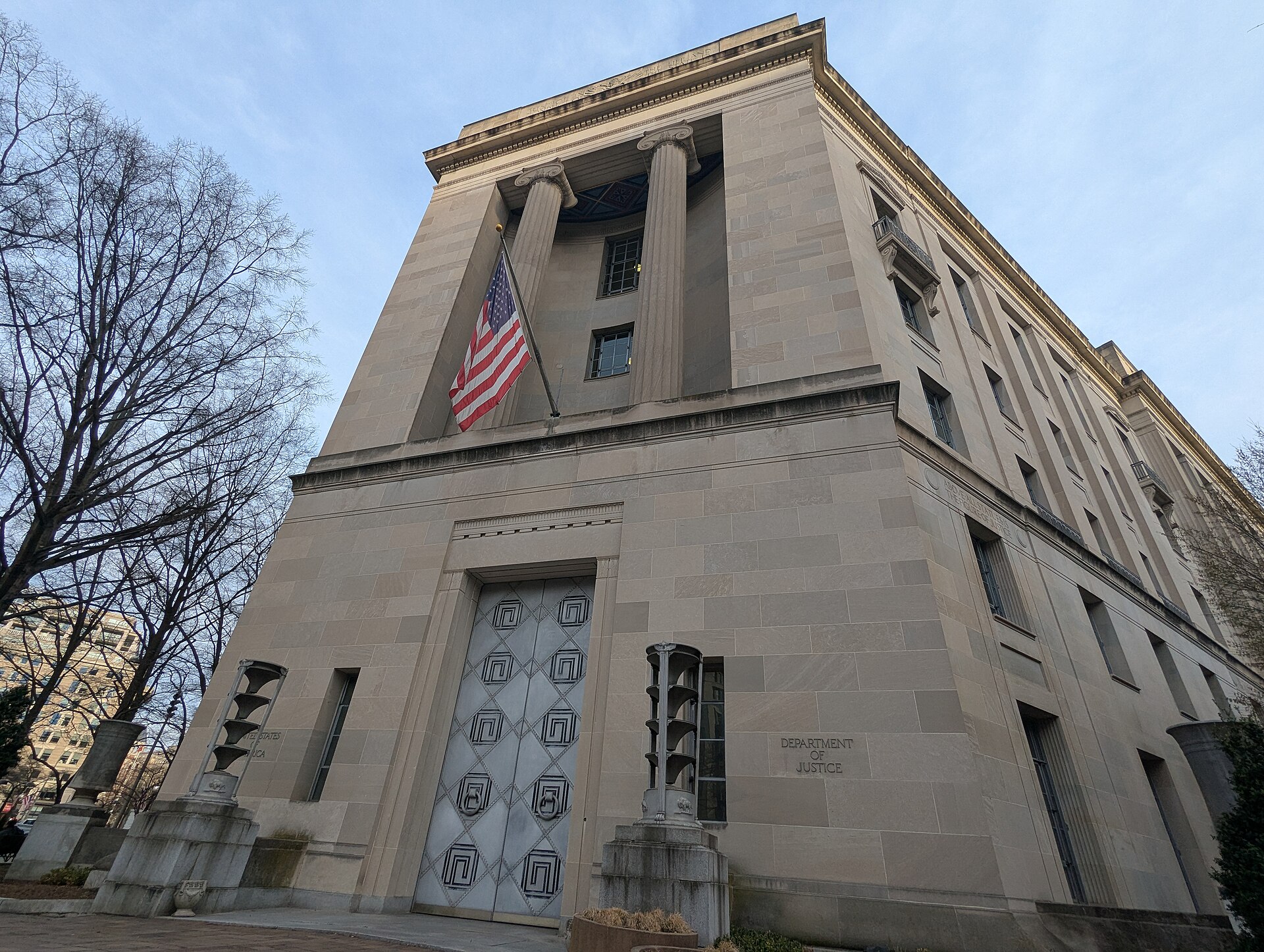
The case turns on a broad power Congress gave the executive branch. Under the Illegal Immigration Reform and Immigrant Responsibility Act of 1996, the secretary of homeland security may "waive all legal requirements" necessary "to ensure expeditious construction" of border walls and roads, and federal courts may hear challenges to those waivers only if they allege a violation of the Constitution, according to SCOTUSblog.
During Trump's first term, building a wall along the border with Mexico was central to his immigration agenda. President Joe Biden largely stopped construction when he took office in 2021. After Trump returned to office in 2025, his administration sought to restart the work. In 2026, Homeland Security Secretary Kristi Noem and her successor, Markwayne Mullin, issued three waivers of environmental and conservation laws to allow construction in the Big Bend region, which covers almost one-fourth of the U.S.-Mexico border.
Noem and Mullin determined that more barriers were needed because Big Bend "is an area of high illegal entry." In his filing, Sauer wrote that U.S. Customs and Border Protection apprehended more than 89,000 people trying to enter the country illegally in the region between 2021 and 2025, SCOTUSblog reported.
An environmental group, a local landowner and a group formed to preserve a church challenged the waivers in federal court. On Oct. 2, U.S. District Judge Kathleen Cardone temporarily barred the Department of Homeland Security from continuing construction in the Big Bend region "until and unless" the government complies with environmental and other applicable laws.
In a written opinion on Oct. 14, Cardone explained that the challengers were likely to win on their claim that, under the major questions doctrine, the secretary lacked the power to issue the waivers. The doctrine holds that if Congress intends to give an agency power over decisions of vast economic or political significance, it must say so clearly. Cardone rejected the government's argument that she could not consider the claim because it involved a statute rather than the Constitution, describing the doctrine as a "constitutional … rule" based on the idea that "courts should expect Congress to speak clearly when it delegates major lawmaking authority to the executive."
Because Congress gave the secretary waiver power "to deter illegal crossings in areas of high illegal entry into the United States," she wrote, and "the evidence shows that the Big Bend Sector has the lowest rate of illegal entry along the entire U.S.-Mexico border," Congress could not have clearly authorized the Big Bend waivers.
In its application, the administration asked the justices to pause Cardone's order and to take up the case and summarily reverse it. Sauer argued that the district court had no power to consider the major questions claim at all. "As this Court has long held," he wrote, "a claim that alleges that an Executive Branch official acted 'in excess of his statutory authority' is not a claim alleging a 'violation of the Constitution,'" and Congress limited waiver challenges to constitutional claims.
Sauer also argued that the doctrine would not help the challengers even if it applied. "[E]ven assuming that the Secretary's waiver authority implicates a question of 'vast economic and political significance,' Congress did clearly authorize the Secretary both to build border barriers and to waive legal requirements in order to facilitate their expeditious construction," he wrote.
The case pits the government's figures on apprehensions against the judge's finding on entry rates. The two are not necessarily in conflict: the government cites a raw count of apprehensions over four years, while Cardone relied on evidence about the rate of illegal entry compared with other sectors of the border.
Alito may act on the application himself or refer it to the full court, and he may ask the challengers to respond first. As of Thursday morning, the docket did not show a response deadline. Construction in the Big Bend region remains halted under Cardone's order while the application is pending.