Timbaland Says His Managers Took Millions While His Mortgage Went Unpaid. His Ex-Manager Says He Was Broke Before They Met. The Hipgnosis Commission Is Where the Stories Split
A 65-page suit filed Friday in Los Angeles accuses Gary Marella and Bruce Seckendorf of fraud and civil theft. Marella denies it and says Timbaland knew about a 15% cut on the catalog sale; the suit says the deal allowed 10%. Seckendorf has not commented.
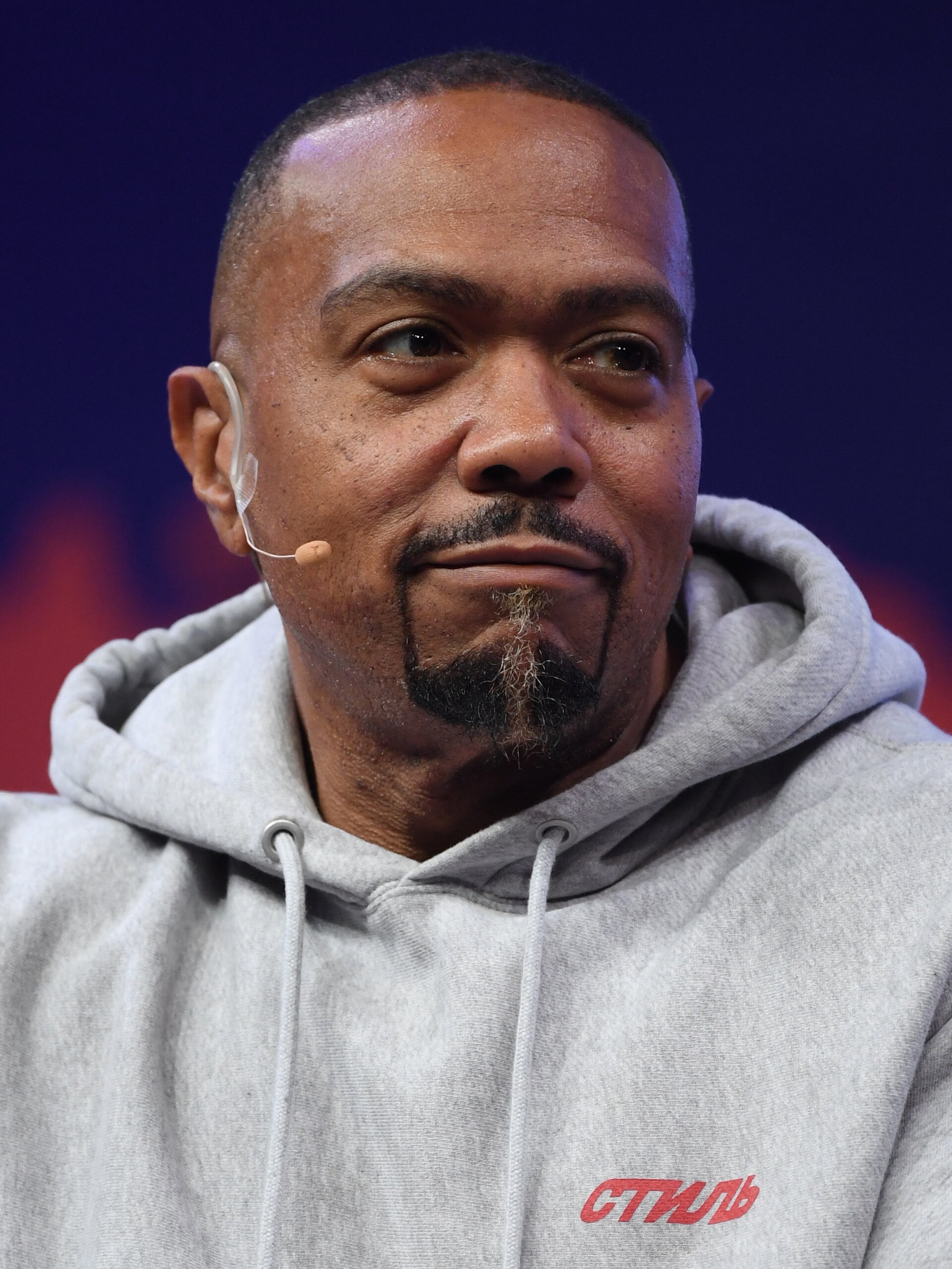
Timbaland, the producer and rapper whose legal name is Timothy Mosley, filed a $15 million lawsuit Friday against his former manager and his former business manager, accusing them of fraud, breach of fiduciary duty and civil theft, The Hollywood Reporter and TheWrap reported.
The defendants are former manager Gary Marella, the CEO of Mono Music Group, and former business manager Bruce Seckendorf, a partner at LL Business Management. Mono Music Group, LL Business Management and the accounting firm Seckendorf Hasson Reilly & Kobay are also named, according to the Reporter. The 65-page complaint was filed in Los Angeles Superior Court.
Every claim in the suit is an allegation. None has been tested in court. Marella has publicly denied them. Seckendorf and his firm did not immediately respond to requests for comment from either outlet.
The core accusation against Marella is that he "stole millions in unauthorized commissions, fees, and reimbursements," used Timbaland's money to pay Marella's own employees, and "falsified financial records and communications to conceal unauthorized payments," according to the complaint as quoted by the Reporter.
The core accusation against Seckendorf is about a house. The suit alleges he "failed to pay Mosley's mortgage and allowed his home to reach the brink of foreclosure," and that his firm "failed to timely pay substantial federal taxes, causing millions in penalties and interest, while continuing to pay themselves, the Marella Defendants, and other professionals millions in commissions, fees, and purported loan repayments."
According to the suit, the foreclosure notice is how Timbaland found out anything was wrong. He received it last year, called Seckendorf, and says Seckendorf could not "clearly explain why his office had failed to make the mortgage payments without informing Mosley." He hired new lawyers and financial representatives, who the suit says uncovered "unauthorized payments, concealed credit-card arrangements, falsified communications, undisclosed liabilities, and purported loans Mosley had never knowingly agreed to."
The complaint's sharpest line: "The foreclosure was not caused simply because Plaintiffs had no money." It alleges the Seckendorf defendants "prioritized nearly $900,000 in payments to Defendants and attorneys they engaged in five months, while failing to pay for twelve months of mortgage arrears they caused and concealed from Mosley." Both men were terminated in 2025, the suit says.
Marella's response flips the story. "I strongly dispute these allegations," he told the Reporter. "Unfortunately, Tim is attempting to shift responsibility for his own overspending and financial decisions onto someone else (again) as he did before we managed him. When I began managing him in 2017, long after producing his biggest hits, he was already broke and in debt, had spent all of his money, and was living in a rental." He said they "generated roughly $75 million in business" over about nine years, and that Timbaland had to sell his home last year and move into a rental in Coral Gables because of "his own financial decisions."
Marella also drew a line between his job and Seckendorf's. "My role was artist management. His business manager handled his finances and paid our management commissions," he told TheWrap. "The allegation that I paid myself without his knowledge is simply absurd."
Here is where the two accounts can actually be checked against each other, and where they do not match. On the 2019 sale of Timbaland's catalog to Hipgnosis Songs Fund, the suit says Marella took $775,000 more than his allotted 10 percent commission would have allowed, according to the Reporter. Marella's answer did not deny taking more than 10 percent. He said Timbaland "was fully aware of the 15 percent commission I received on the Hipgnosis catalog sale," and that the team spent more than a year and a half organizing his affairs to make the deal possible. "I stand behind it and will substantiate through the legal process," he said.
So the fight on that deal is not over what was paid. It is over whether 15 percent was agreed to. That will come down to paperwork neither side has made public.
Verzuz, the livestream battle series Timbaland launched with Swizz Beatz during the pandemic, is the other money flashpoint. The suit alleges Marella took $500,000 more than he was entitled to on two occasions tied to $5 million payments from the venture. Marella said Timbaland "was aware of our management commission" and that "his business manager paid us with Tim's approval."
There is also Beatclub, the beat marketplace Marella co-founded with Timbaland. The suit alleges Marella "grossly mismanaged" it, "depleted investor funds" and "failed to pay employees and creators he hired." Marella called it a startup, said the two "together contributed more than $1 million of our own money," and said that in 2024 most of the staff was let go. "The company's financial challenges do not, by themselves, establish misconduct by anyone," he said.
One more detail worth noting: the complaint says Timbaland began working with Marella and Seckendorf in 2016, while dealing with financial misconduct claims against his previous representatives. Marella dates his management to 2017. That gap is small, but it is the kind of discrepancy a court will sort out.
What we still don't know: what Seckendorf says, what Timbaland's management contract said about commissions, and whether either side produces the Hipgnosis paperwork.