Question 7 Would Let Single-Family Homes Go on 5,000-Square-Foot Lots Statewide. Tufts Puts the Payoff at About 750 Homes a Year; the Municipal Association Says Nothing in It Requires Affordability
Cities and towns would keep control of height, setbacks, open space, parking and short-term rentals. Boston Mayor Michelle Wu has backed the measure.
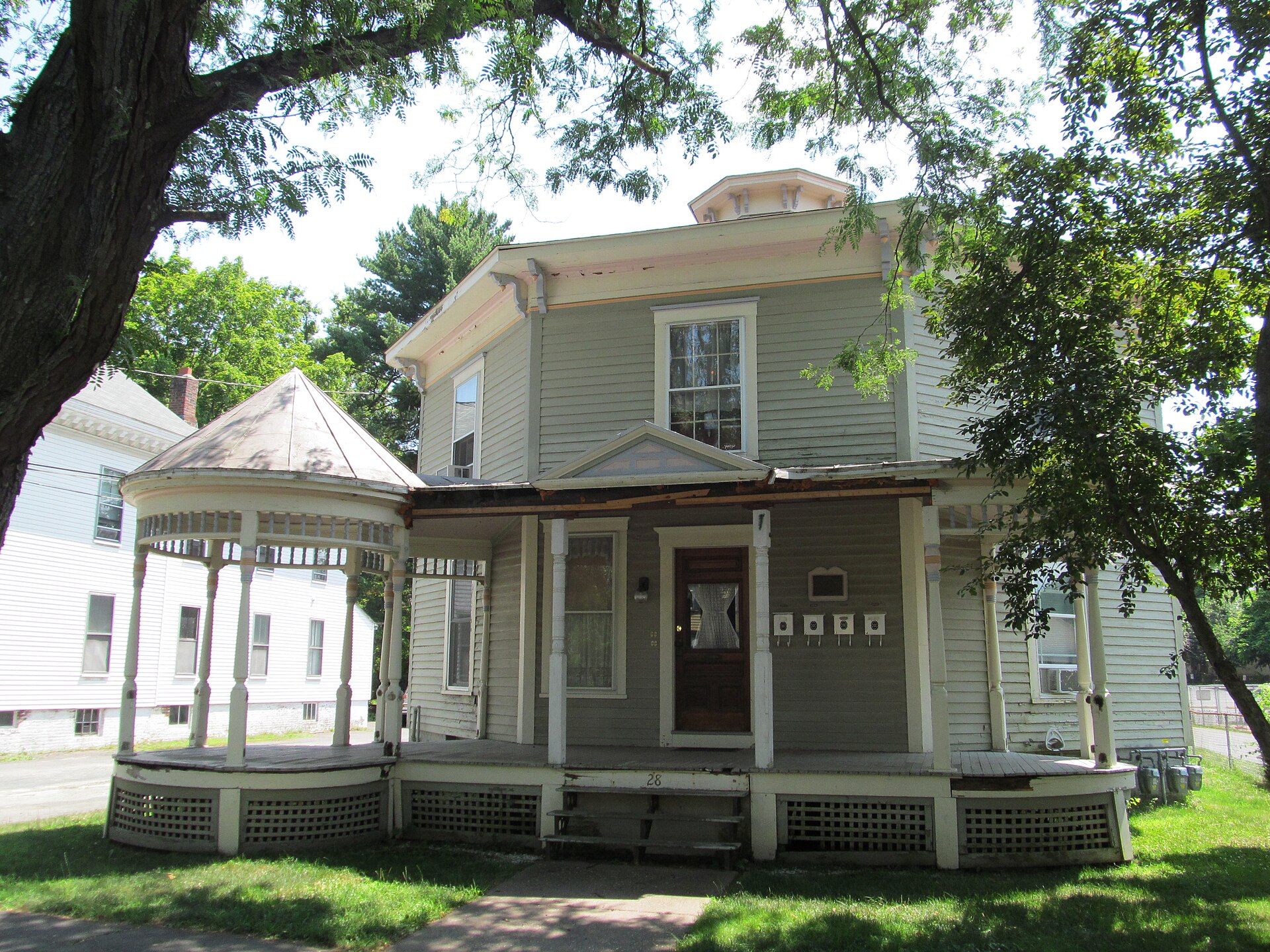
Question 7 asks voters to set a statewide floor on one piece of local zoning: how much land a single-family house needs.
According to the official ballot summary, the proposed law "would allow single-family homes to be built in a residentially zoned area as long as the land on which it is to be constructed is at least 5,000 square feet, has at least 50 feet of land bordering the street, road, or public way that it faces, and has access to public sewer and water services."
Cities and towns could still "reasonably regulate certain aspects of those single-family homes, including their height, distance from neighboring buildings, open space, parking requirements, and whether they can be rented out on a short-term basis," the summary says. The state's Executive Office of Housing and Livable Communities could issue guidance or regulations to administer the law. A no vote makes no change.
Many Massachusetts suburbs require far larger lots for a single-family house, often 10,000 square feet or more and in some places an acre or two. Under Question 7, a lot of at least 5,000 square feet with 50 feet of frontage and public water and sewer could be used for a single-family home in a residential zone, regardless of a larger local minimum.
The public water and sewer requirement limits the measure's reach. Large parts of the state, including much of central and western Massachusetts and many outer suburbs, rely on private wells and septic systems, and lots there would not qualify.
The Center for State Policy Analysis at Tufts University estimated that the measure could add about 750 homes a year statewide, with a range of 350 to 1,200, according to reporting on its analysis. The Tufts analysis also found nothing in the measure requiring the new homes to be smaller, to be sold below a set price or to be affordable, according to that reporting.
For context, Massachusetts has set goals of building hundreds of thousands of homes over the next decade. By Tufts' estimate, Question 7 would contribute a modest share of that on its own.
The Massachusetts Municipal Association, which represents the state's cities and towns, opposes the question. In an article listing three ballot questions that "raise concerns for local leaders," the MMA argued the measure would override local zoning and planning without any affordability requirements. Its legislative director, Dave Koffman, has said that smaller lots do not automatically produce more affordable homes.
Supporters, organized as the Legalize Starter Homes campaign, argue that minimum lot sizes are one of the main reasons modest single-family homes are no longer built in much of the state, and that smaller lots lower land costs per home. Real estate groups have backed the campaign, Boston Agent Magazine reported.
In Boston, Mayor Michelle Wu has endorsed Question 7, according to The Boston Report. Most of Boston's residential land is already zoned for lots well below the suburban norm, so the measure's direct effect inside the city would be limited; its main effect would be in suburbs with large-lot zoning and public utilities.
Because the measure leaves setbacks and height to local control, its effect would vary town by town. A community with large side-yard setback requirements could leave little buildable width on a 50-foot-wide lot even if the lot met the new minimum. Whether a setback that has that effect is a "reasonable" regulation under the new law is the kind of question that state guidance, and possibly courts, would have to answer.
The measure also does not address infrastructure capacity. A lot would need access to public water and sewer, but the text does not say what happens when a town's system is near capacity.
Question 7 is one of several housing-related items voters and officials face this week. In Boston, the City Council's Government Operations Committee held a working session Monday on extending condominium-conversion protections to two- and three-family buildings. The Boston Report noted Question 7 in its coverage of that proposal.
A yes vote would set a statewide minimum lot size for single-family homes served by public water and sewer, while leaving most other zoning tools with cities and towns. A no vote would leave lot sizes entirely to local zoning. The independent estimate suggests a measurable but limited effect on housing production, and the affordability of any new homes would depend on the market rather than on the law.
The full text and the official arguments are in the state's Information for Voters booklet. Polls are open 7 a.m. to 8 p.m. Tuesday.
Sources
- Secretary of the Commonwealth: 2026 state election ballot questions (official text) (opens in a new tab)
- Massachusetts Municipal Association: 3 ballot questions raise concerns for local leaders (opens in a new tab)
- Boston Agent Magazine: Inside Question 7 (Oct. 6) (opens in a new tab)
- South Shore News: The November Nine, Question 7 (opens in a new tab)
- The Boston Report: Question 7 starter homes, Wu backs it (Oct. 30) (opens in a new tab)