Question 1 Would Open the Legislature's and Governor's Records. The Legislature's Own Transparency Bill Has Sat in Conference Since July, and the Auditor Says That Is the Plan
The ballot text exempts policy-development documents and certain constituent communications. State Auditor Diana DiZoglio says she would consider legal action if lawmakers pass a narrower law after voters decide.
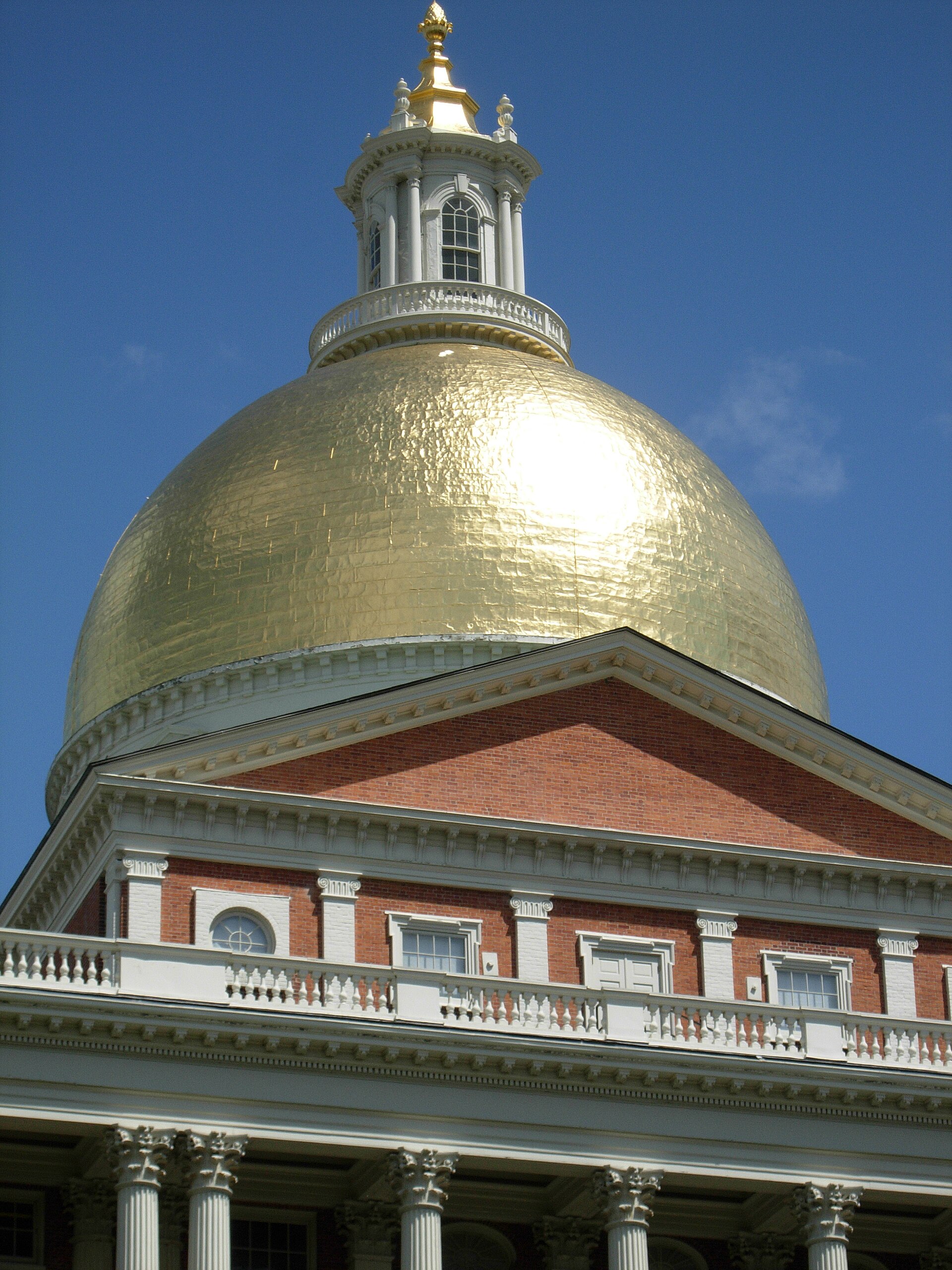
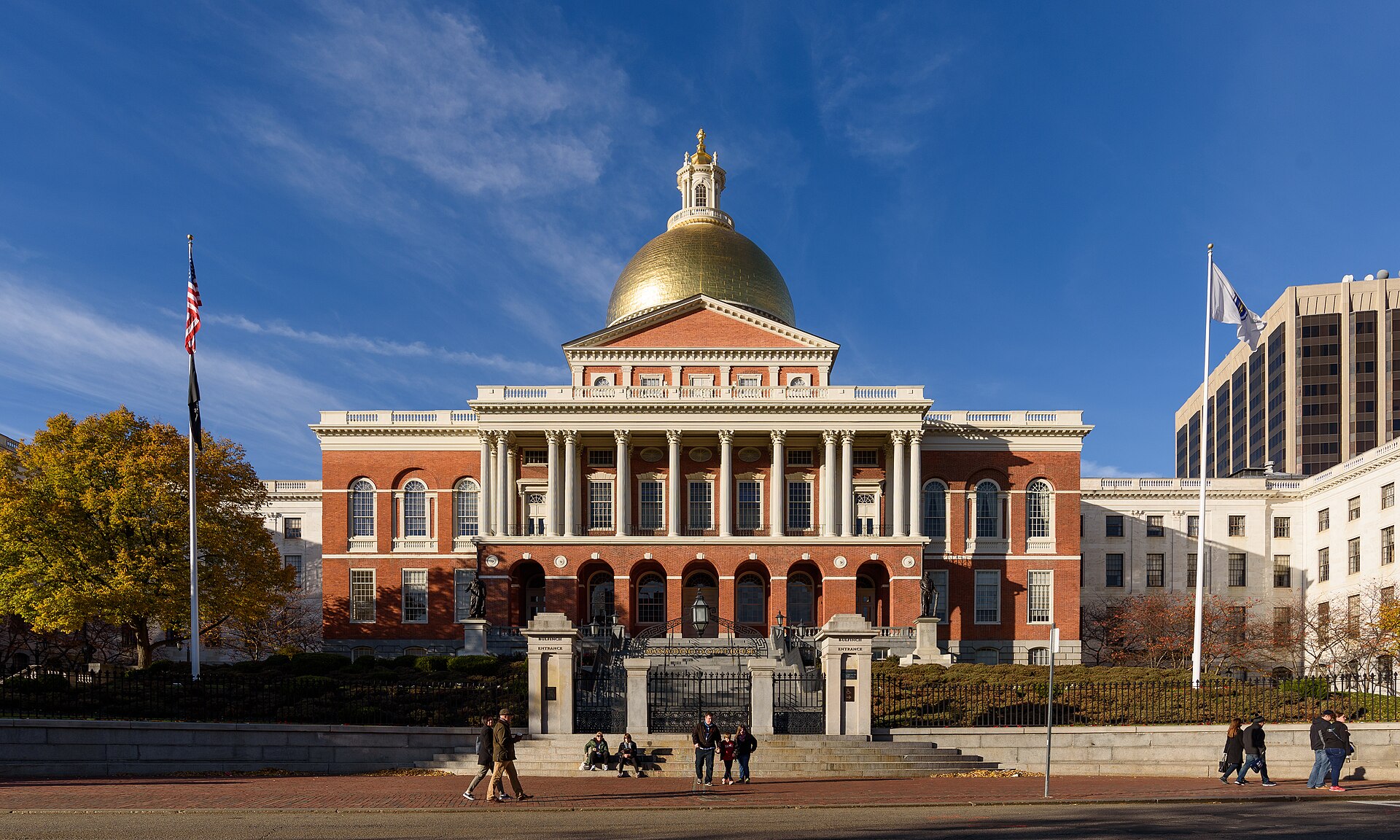
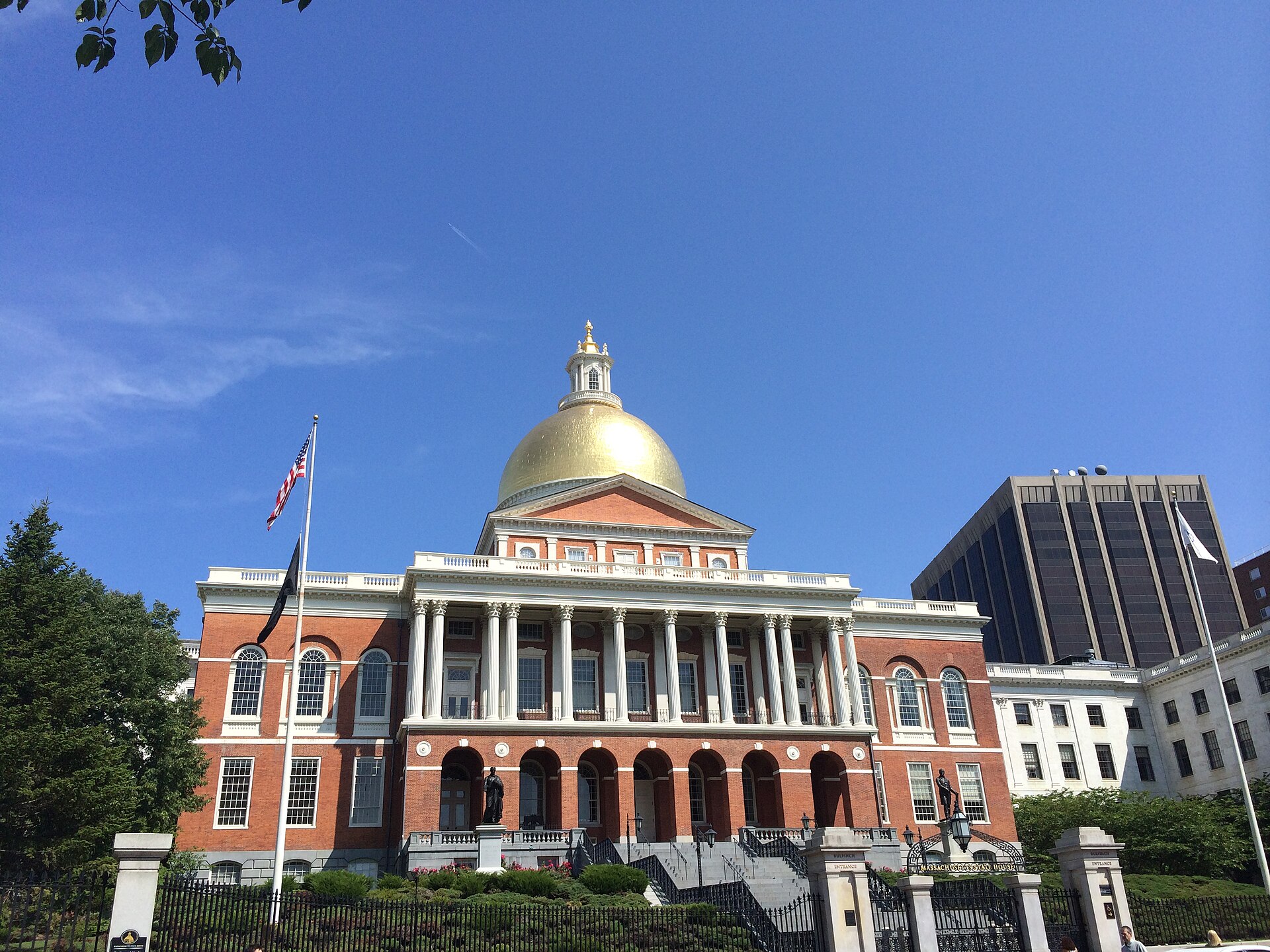
Massachusetts voters will decide Tuesday whether the Legislature and the Office of the Governor should be covered by the state's public records law, which already applies to state agencies, cities and towns.
The official ballot summary published by the Secretary of the Commonwealth says Question 1 "would make most records held by the Legislature and the Office of the Governor public records under the Massachusetts Public Records Law." It would exempt two categories: "documents related to the development of public policy," and communications between legislators and constituents when those communications are "reasonably related to a constituent's request for assistance in obtaining government-provided benefits or services or interacting with a government agency." A no vote would make no change to the law.
Question 1 is an initiative petition. The ballot language notes that the Legislature took no vote on it before May 6, 2026, which is what sent it to voters.
While the question has been on the ballot, the House and Senate have each passed their own transparency bills, and the two versions have been sitting in a six-member conference committee with no recorded action since formal sessions ended in July, according to State House News Service and Mass Daily News reporting.
DiZoglio, who led the petition drive, has accused legislative leaders of holding that bill until after the election so a narrower version could take the place of whatever voters approve, Mass Daily News reported Oct. 27. Legislative leaders have defended their own bill as the better approach, the outlet reported, under the headline that they "insist their own records bill beats" the ballot question. The Worcester Guardian reported that Question 1 advocates criticized the Legislature while lawmakers defended the transparency bill.
DiZoglio has said she would consider legal action if the Legislature passes a weaker bill after voters approve Question 1, according to that reporting. A statement that a lawsuit is possible is not a lawsuit; none has been filed over Question 1.
Laws passed by initiative in Massachusetts are ordinary statutes once enacted. Under Article 48 of the state constitution, the Legislature may amend or repeal them, as it has done with previous voter-approved laws. That means a yes vote on Question 1 would not, by itself, prevent lawmakers from later rewriting what it covers.
State House News Service reported in a feature that wider public records access "may hinge on post-election maneuvers," a reference to what the conference committee does after Tuesday.
The auditor has been here before. In 2024 voters approved a ballot question giving her office authority to audit the Legislature, and DiZoglio's office is now suing legislative leaders, including House Speaker Ronald Mariano and Senate President Karen Spilka, over that law, according to the complaint filed in February and published by WBUR. Supporters of Question 1 cite that fight as a reason to expect resistance after this vote; legislative leaders have framed both disputes around separation of powers and the need to protect deliberation and constituent privacy.
The two exemptions in Question 1 are where any future argument is likely to focus. "Documents related to the development of public policy" could cover drafts, internal memos and negotiating papers. The state's existing public records law already includes a similar exemption for agencies' policy deliberations, which allows them to withhold internal memoranda related to policy positions being developed. How broadly a legislative office or the governor's office could read that phrase would likely be tested in records appeals or in court.
The constituent exemption is narrower in the ballot text: it applies only when the communication is reasonably related to a constituent's request for help getting a government benefit or service, or dealing with a government agency. Other correspondence would not be exempt on that basis, though existing privacy exemptions in the records law would still apply.
A no vote would leave the current law in place. Massachusetts courts have long held that the public records law, as written, does not cover the Legislature, and the governor's office has also asserted that it is exempt. Records from those offices would remain available only when officials choose to release them or when another law requires it.
Three things will determine what Question 1 means in practice: the vote margin, whether the conference committee releases a bill and what that bill says, and whether any rewrite would be challenged. Until the conference committee acts, the only text voters can evaluate is the one on their ballot.
Polls are open from 7 a.m. to 8 p.m. The full text of all nine questions and the arguments for and against them are in the state's Information for Voters booklet.
Sources
- Secretary of the Commonwealth: 2026 state election ballot questions (official text) (opens in a new tab)
- Mass Daily News: Beacon Hill leaders pitch their own records bill over Question 1 (Oct. 27) (opens in a new tab)
- State House News Service: Wider public records access may hinge on post-election maneuvers (opens in a new tab)
- The Worcester Guardian: Question 1 advocates criticize the Legislature while lawmakers defend transparency bill (opens in a new tab)
- WBUR (document): Auditor's complaint against legislative leaders (Feb. 2026) (opens in a new tab)