Question 6 Would Steer Sporting-Goods Sales Tax to Conservation. The Fine Print Says Lawmakers Still Control Every Dollar
The Nature for All Fund would receive half, then all, of state sales tax on sporting goods, RVs and golf courses. Supporters say up to $100 million a year. The state's fiscal statement says tens of millions would be diverted from the operating budget. A key clause makes all of it subject to appropriation.
Massachusetts voters will decide on Nov. 3 whether to create a dedicated state fund for land and water conservation paid for with sales taxes already collected on sporting goods, recreational vehicles and golf courses. A close reading of the official voter guide and the full text of the measure shows the question would set up the fund and its rules, but would leave the final decision on how much money it receives each year with the Legislature.
Question 6, an initiative petition titled An Act to protect water and nature, would establish what it calls the Nature for All Fund, according to the summary written by the attorney general and published by Secretary of the Commonwealth William Galvin's office. Starting July 1, 2027, the fund would be credited with an amount equal to 50% of state sales and use taxes collected on sporting goods, recreational vehicles and golf courses. On July 1, 2028, the law would strike the words "50% of," raising the share to 100%.
The measure carves out two existing dedications. The fund's share would be calculated after the portions of sales tax already sent to the MBTA's State and Local Contribution Fund and the School Modernization and Reconstruction Trust Fund, which pays for school building projects through the Massachusetts School Building Authority, are set aside.
The full text then adds the clause that shapes everything else: "All of the provisions of this section shall be subject to appropriation by the legislature." Under Article 48 of the state constitution, ballot initiatives cannot directly appropriate money, and the Legislature's Special Joint Committee on Initiative Petitions emphasized that point in its majority report. "Passage of this Petition would neither guarantee additional funding nor materially change the status quo," the majority wrote.
The size of the money at stake is described differently by each side. The Yes argument, filed by Mass Audubon, says the question would dedicate "as much as $100 million/year" without raising or creating a tax. The state's Executive Office of Administration and Finance, which writes the official fiscal statement, says a full analysis is not feasible but estimates the law "would automatically divert tens of millions of dollars of tax receipts that are currently supporting the state operating budget to the new fund" and would have "substantial implementation costs." Those figures are not necessarily in conflict; the larger number reflects the full 100% share that begins in mid-2028.
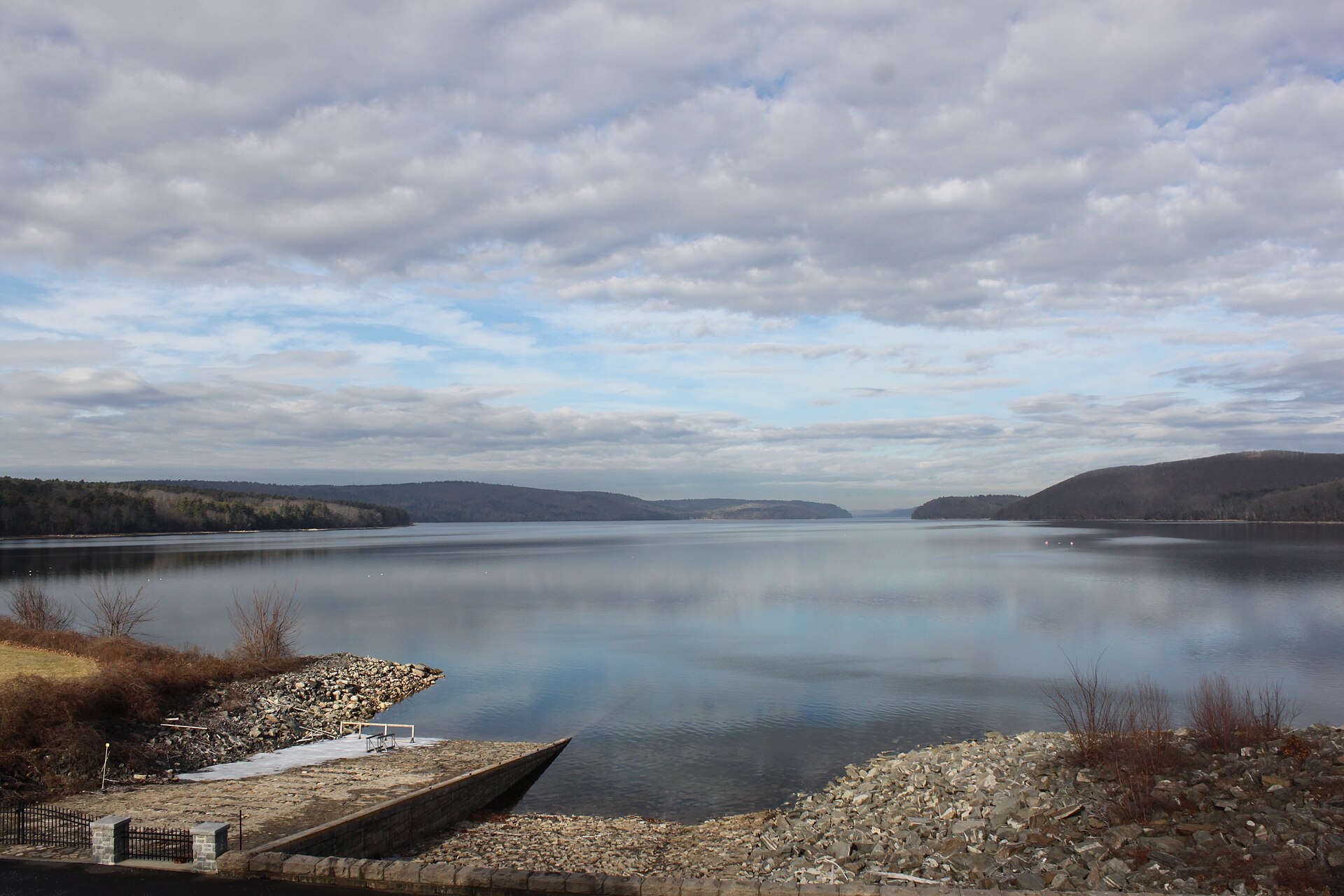
The money would be spent by the Executive Office of Energy and Environmental Affairs on what the law defines as natural resource conservation: protecting land around drinking water, rivers, lakes and coasts; conserving farms and forests; creating and improving parks, trails and greenspaces, "especially in neighborhoods with limited access"; connecting open spaces; and conserving lands of Indigenous cultural significance. Eligible recipients include state agencies, cities and towns, regional entities such as water districts, conservation charities and tribal governments.
A 15-member Nature for All Board would write the spending rules. It would include five state officials, among them the secretary of energy and environmental affairs, the commissioner of conservation and recreation and the state's climate chief, and 10 public members appointed by the governor, including representatives of underserved communities and Indigenous peoples. The board's rules must address environmental justice, affordable housing and a requirement that the fund not be used to shrink existing capital spending. The fund could also accept private donations, and leftover money could not be swept back into the general fund at year's end.
There is no organized opposition. The voter guide states that no group filed an argument against the question, so the secretary's office compiled one partly from the Legislature's majority report. That argument says permanently earmarking the revenue "creates an unstable fiscal framework" and could force cuts elsewhere, including programs at the Department of Conservation and Recreation. The majority report, signed by Sens. Cindy Friedman, Brendan Crighton and Barry Finegold and Reps. Alice Peisch, Kate Hogan, Frank Moran, Michael Day and David Vieira, recommended on May 4, 2026, that the Legislature take no action, which sent the question to the ballot.
Support in Boston is on record. The Boston City Council adopted a resolution backing Question 6, describing it as a dedicated source of up to $100 million a year from existing sales tax on items "such as camping gear, golf clubs, and fishing equipment" without raising taxes.
Unanswered by the official materials: exactly how much sales tax the covered categories generate today, and what lawmakers would cut, or whether they would appropriate the full amount, if the question passes. Voters will see it on the Nov. 3 ballot as Question 6.