Farwell Murder Trial: A Week of Testimony on Sandra Birchmore's State of Mind Before Her Death
Prosecutors called Birchmore's OB/GYN, her therapist, a friend and the father of her unborn child to rebut the defense claim that she took her own life. Defense lawyers pointed to her history of anxiety and depression.
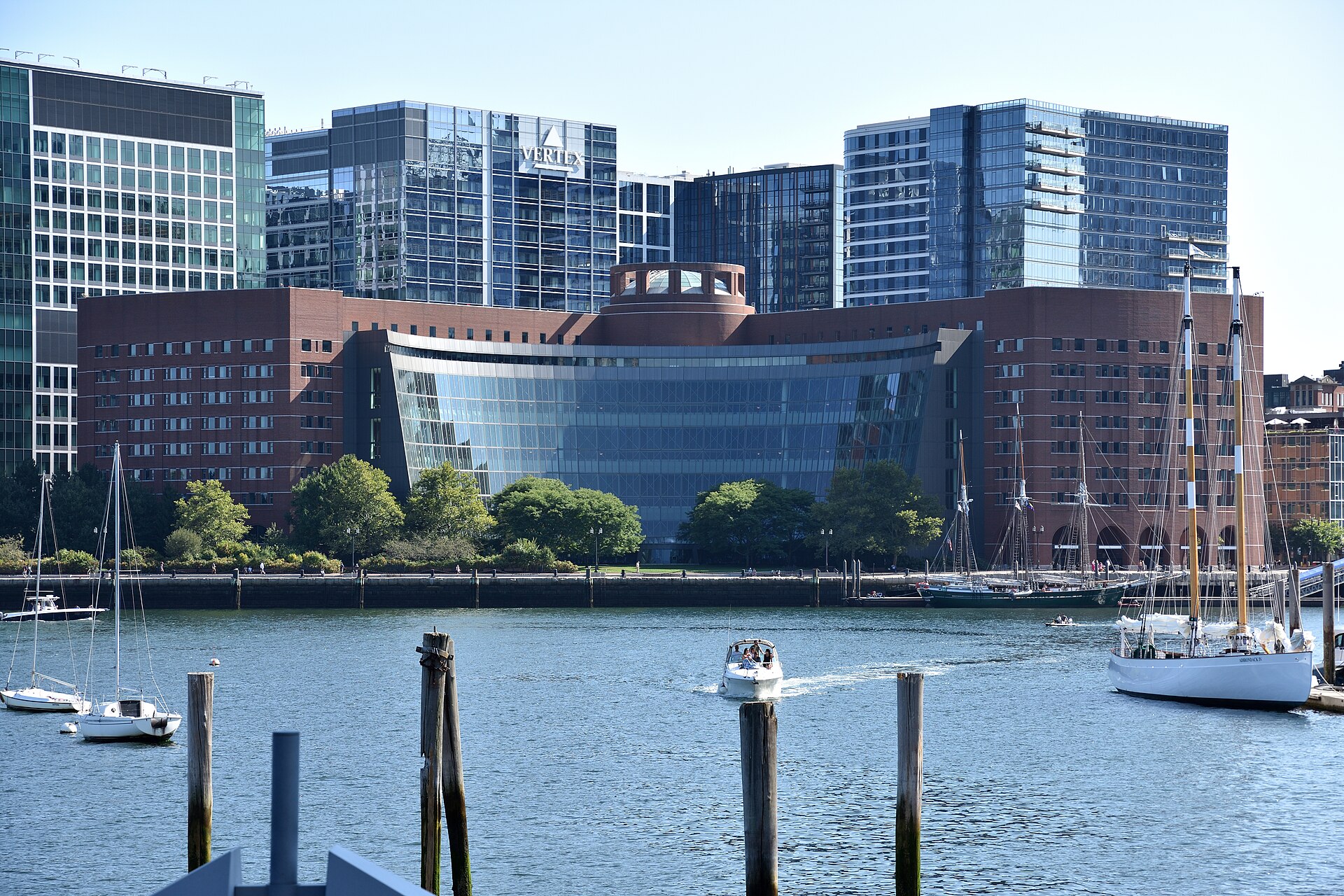
The federal murder trial of former Stoughton police officer Matthew Farwell in Boston spent much of this week on a single question: what Sandra Birchmore's mental state was in the weeks before she was found dead in February 2021.
Farwell is charged with killing Birchmore, 23, and her unborn child and staging the death to look like a suicide. Prosecutors allege he killed her to keep her from exposing federal crimes, including sexual exploitation of a child, and say he had been grooming her for sex since she was 15 and part of the Stoughton Police Explorers program, WHDH reported. The defense says Birchmore took her own life after Farwell told her he was ending the relationship and would not sign a birth certificate naming him as the father. Farwell is presumed innocent.
Editor's note: This story discusses suicide. The 988 Suicide and Crisis Lifeline is available by call or text at 988.
On Monday, the fifth day of testimony, FBI Special Agent Heidi Kelsch read text messages between the two, testifying they argued frequently in the months before her death, WHDH reported. Kelsch said Birchmore had texted Farwell years earlier about an arrangement in which he would help her get pregnant and she would not reveal the father. Prosecutors said Farwell became concerned when Birchmore later wanted him to sign the birth certificate and be present for the birth. In a December 2020 exchange read in court, Farwell wrote that Birchmore had "blackmailed me into getting what you wanted," according to WHDH.
On Tuesday, Birchmore's OB/GYN testified that two weeks before she died, the pregnancy appeared to be just over six weeks along and had a heartbeat. "It was a viable pregnancy," the doctor said. She testified she had prescribed Zoloft for longtime anxiety and that Birchmore scored zero on a screening for suicidal tendencies. Under cross-examination, she acknowledged a long history of chronic anxiety and depression and said the pregnancy was considered high-risk partly for that reason, WHDH reported.
On Thursday, Jason Pickard, 37, a former Army recruiter, testified that he had been granted immunity from prosecution. Prosecutors say DNA tests show he was the father of Birchmore's child. Pickard testified that Birchmore insisted he was not the father and told him Farwell was. He said she was excited to be pregnant and that suicide seemed "the last thing on her mind." The defense noted that Pickard had given a different account about Birchmore and suicide to FBI investigators, WHDH reported.
On Friday, a half-day, Birchmore's therapist, Dr. Diala Alkhalil, testified that she had seen Birchmore shortly before her death and saw "no indication of any suicidal ideation, passive or active plans whatsoever." She said Birchmore told her the father was a married police officer who did not want to be involved, and that Birchmore was as happy as she had ever seen her. Under cross-examination, Alkhalil agreed that suicidal thoughts can increase when patients begin antidepressants, WHDH reported.
A longtime friend, Lindsay Crean, testified that Birchmore believed the baby was "an angel sent from her mother." Under defense questioning, Crean acknowledged that about nine months earlier, during a family dispute, Birchmore had messaged her about wanting to harm herself, according to WHDH.
Earlier witnesses included a Massachusetts State Police trooper who investigated the case and a woman who was in the Explorers program with Birchmore, according to WHDH's day-by-day recap. Stoughton's police chief has also testified.
The prosecution has not said when it expects to rest, and the defense has not said whether Farwell will testify.
Sources
- WHDH: Day-by-day recap of testimony in the Matthew Farwell trial (opens in a new tab)
- WHDH: Text messages show Farwell, Birchmore argued (opens in a new tab)
- WHDH: OB/GYN testifies Birchmore had 'no indications' of suicidal tendencies (opens in a new tab)
- WHDH: Father of Birchmore's unborn child testifies (opens in a new tab)
- WHDH: Birchmore's therapist testifies (opens in a new tab)