On Question 3, Both Major Parties Are on the Same Side. Their Own Voters, in the Last Big Poll, Were Not
The all-party primary would send the top two finishers to November regardless of party and would not apply to presidential or municipal races. MassINC found 43% support, 36% opposed and 20% undecided in September.
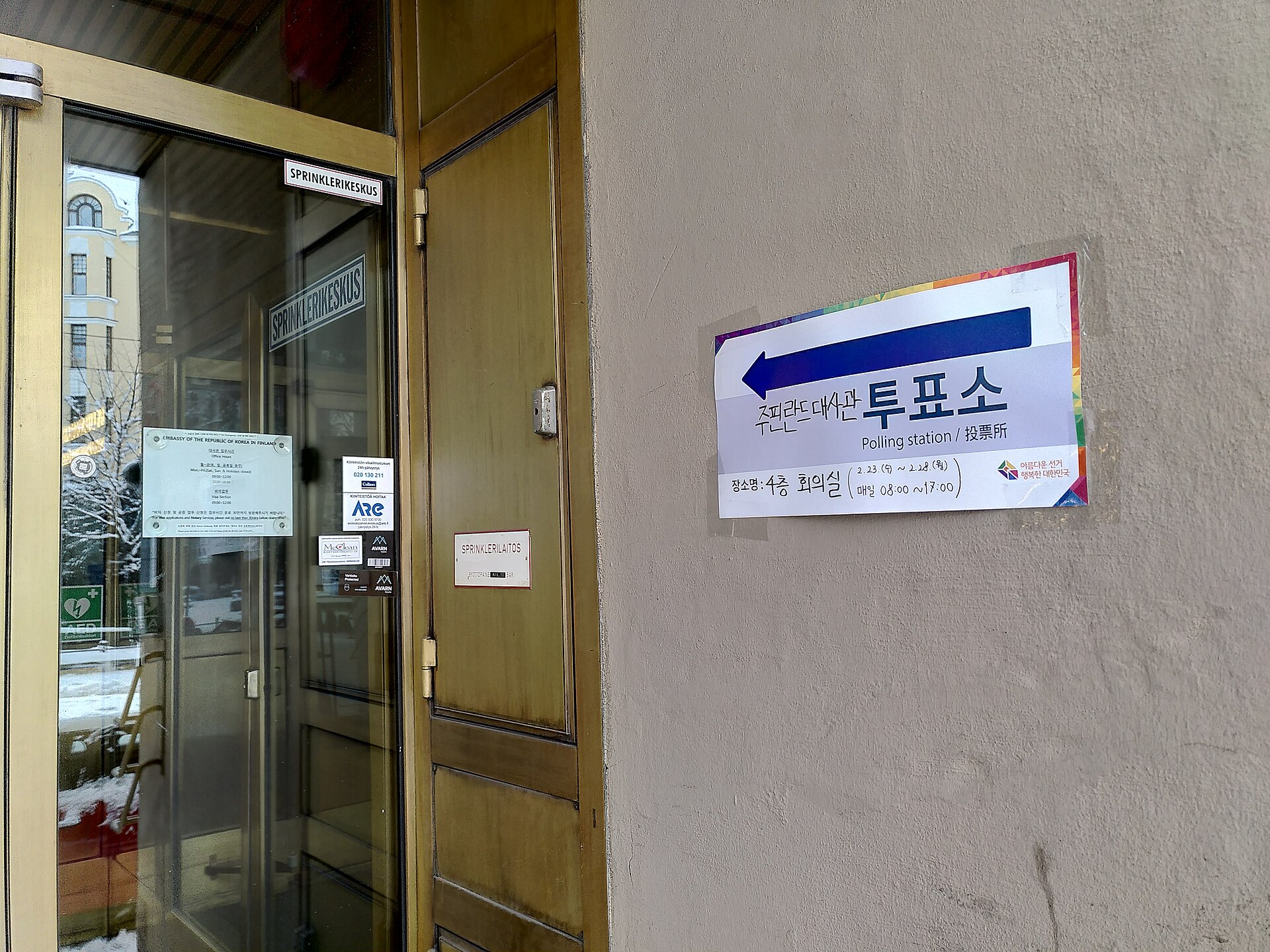
Question 3 would end separate Democratic and Republican primaries for state offices in Massachusetts and replace them with a single primary open to every candidate and every voter.
The official ballot summary says the measure "would eliminate political party primaries for state elections and instead establish a system where there would be a single, all-party primary in which all candidates, regardless of their party affiliation, would be listed on one ballot, and voters could vote for any candidate on the ballot. The two candidates receiving the most votes in the primary would advance to the general election ballot."
Candidates for governor and lieutenant governor would run and be listed jointly in the primary. And the measure would give official political party status "to any group whose candidates for any statewide office received at least 3% of the ballots cast in the state primary," according to the summary. A no vote makes no change.
The change would affect state elections only. It would not apply to presidential primaries or to city and town elections, which in many communities are already nonpartisan.
The Massachusetts Democratic Party and the Massachusetts Republican Party both oppose Question 3, along with labor and progressive groups, according to CommonWealth Beacon's coverage of a debate on the measure. The Yes on 3 campaign is led by Danielle Allen, a Harvard professor, CommonWealth Beacon reported.
Supporters argue that most Massachusetts voters are not enrolled in either major party and that, in a state where many legislative seats go uncontested in November, the party primary is often the only real contest. A top-two primary, they argue, would let every voter help choose the finalists. CommonWealth Beacon's debate coverage was framed around what both sides agree is a lack of competition in Massachusetts elections; they disagree on whether this is the fix.
Opponents argue that top-two systems can produce general elections with two candidates from the same party, can raise the cost of campaigns, and can squeeze minor-party and independent candidates off the November ballot. Supporters point to the 3 percent party-status provision as a way to keep smaller parties alive; opponents say minor parties would rarely finish in the top two.
A MassINC Polling Group survey of 800 likely voters for CommonWealth Beacon, conducted Sept. 14 to 22, found 43 percent supporting Question 3, 36 percent opposed and 20 percent undecided, according to the poll's topline results. WBUR described the result as "a tight contest for all-party primaries."
The party breakdown is where the alignment of the two party organizations stops. Democratic voters in the poll split 42 percent yes, 35 percent no and 22 percent undecided, while Republicans favored no 45 percent to 42 percent, according to CommonWealth Beacon's analysis. In other words, the Democratic Party opposes a measure that a plurality of its own voters supported in September, and Republican voters were close to evenly divided.
The poll is more than a month old, and a fifth of respondents were undecided at the time. It is a snapshot, not a forecast.
Both sides cite other states. California, Washington and Nebraska use some form of top-two or nonpartisan primary. Supporters describe them as working models; opponents cite California races in which vote-splitting among several candidates from one party sent two candidates from the other party to the general election. The examples show what can happen under a top-two rule but do not settle which outcome is more common.
Question 3 would not change Tuesday's election. If approved, it would govern state primaries starting with the 2028 cycle, and the state would need to write rules for ballot design, party designations and the joint governor and lieutenant governor ticket. The full text and the arguments submitted for and against are in the state's Information for Voters booklet.
Several other questions on the ballot also concern how Massachusetts elections work. Question 4 would allow Election Day voter registration beginning Jan. 1, 2028, and Question 1 would extend the public records law to the Legislature and the governor's office.
Whether a top-two primary would increase competition in a state dominated by one party is the central claim of supporters and the central doubt of opponents. If voters approve the measure, the first test would come in the 2028 state primary. If they reject it, the current system of separate party primaries, in which unenrolled voters may choose either party's ballot, remains in place.
Polls are open 7 a.m. to 8 p.m. Tuesday.
Sources
- Secretary of the Commonwealth: 2026 state election ballot questions (official text) (opens in a new tab)
- CommonWealth Beacon: Question 3 (2026), all-party primaries (opens in a new tab)
- CommonWealth Beacon: Question 3 debate highlights Massachusetts's competition problem (opens in a new tab)
- MassINC Polling Group / CommonWealth Beacon: ballot questions poll topline, Sept. 14-22 (PDF) (opens in a new tab)
- CommonWealth Beacon: Ballot question support by political party (opens in a new tab)
- WBUR: Poll shows tight contest for all-party primaries (Sept. 30) (opens in a new tab)