Qatari Mediators Return to Tehran With a Vance Letter on the Table, as Trump Reportedly Tells Gulf Allies to Prepare for Strikes After the Midterms
The vice president's letter to Iran's security chief reportedly proposes a 'framework for negotiations' and direct talks as soon as next week. Iran says it will not move on its nuclear position, and analysts warn the risk of new U.S. strikes is high.
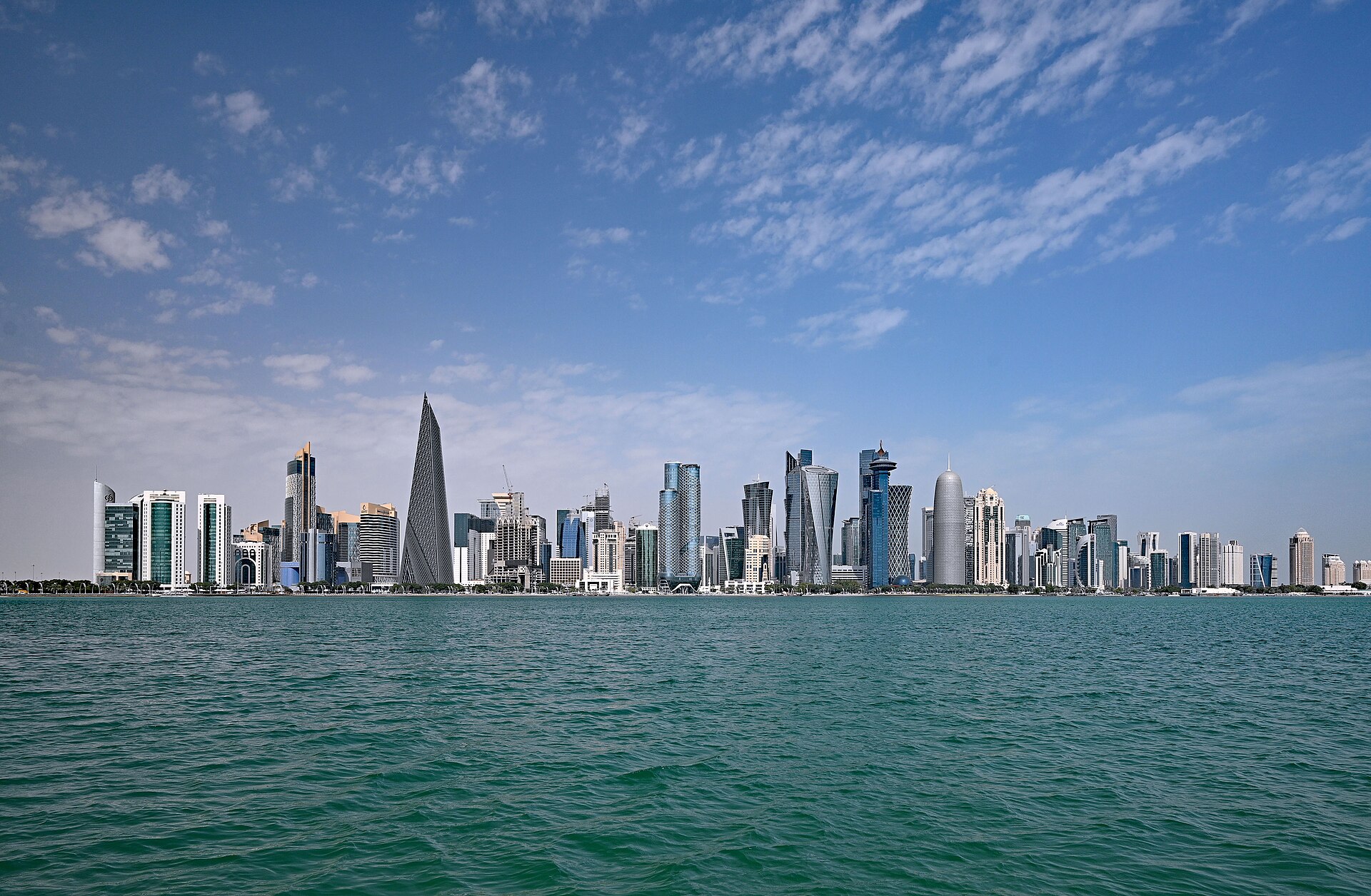
A Qatari delegation arrived in Tehran on Friday morning for talks aimed at reviving a ceasefire between the United States and Iran, Iran's state news agency IRNA reported, according to Al Jazeera. The mission was coordinated with U.S. officials, an official briefed on the talks told Reuters, as cited by Arab News.
The delegation was headed by a senior adviser to Qatar's prime minister and foreign minister, Sheikh Mohammed bin Abdulrahman bin Jassim Al Thani, Al Jazeera reported. Its arrival followed a letter from U.S. Vice President JD Vance to Mohsen Rezaei, head of Iran's Supreme National Security Council, which Qatari mediators delivered on Sunday.
The letter has not been published. The Wall Street Journal quoted an informed source as saying the letter and follow-up discussions did not cover specific peace terms but a potential "framework for negotiations," according to Al Jazeera. Another source told the Journal the goal was to see whether Tehran and Washington "could find enough common ground to persuade Trump not to give a final order for a short, intense attack on Iran in the coming weeks."
The New York Times reported that the letter proposed a meeting soon, with Vance leading the U.S. delegation as he did in talks in June, and that Vance said Iran's nuclear program would have to be on the table from the start, according to Al Jazeera. Sources told Al Jazeera that a meeting could be held within a week, in Doha or Istanbul. The Times reported the letter had been "received well by Iran's leaders."
The positions remain far apart. Qatar presented a draft peace plan to Iran on Sunday, but a senior Iranian official dismissed the proposals as unacceptable and said Tehran would maintain its nuclear position, Reuters reported. Washington wants nuclear issues included from the outset; Tehran wants the U.S. to first end its port blockade and lift oil export sanctions. Iranian Foreign Minister Abbas Araghchi said Wednesday that Iran "continues to give diplomacy a chance."
The diplomacy is running alongside military warnings. Trump has told Gulf allies to prepare for a brief, high-intensity military campaign after Tuesday's U.S. midterm elections, the Journal reported. Trump has previously said the U.S. may "do another little Epic Fury," a reference to the military operation against Iran that began in February, according to Al Jazeera.
Trump has also given mixed signals about the letter. The Journal reported he directed Vance to send it, but Trump later told reporters he had given Vance the go-ahead to reach out to Iran and described the initiative as aimed at helping Iran "with medical supplies and various things," Al Jazeera reported.
Analysts quoted by Al Jazeera were skeptical. Ali Vaez of the International Crisis Group said Tehran sees Vance as "someone who has both the president's ear and an appreciation of the price of failure," but "a more credible messenger alone cannot bridge a chasm of substantive disagreements." He called the risk of new strikes "dangerously high." Hamidreza Azizi, also of the Crisis Group, said, "We have seen two wars in less than a year, despite Vance's objections and differing views."
Iran has warned it will respond more aggressively to any new attack, including by hitting oil sites, undersea cables, data centers and AI facilities in the Gulf, Al Jazeera reported. "Our strategy is 'zero red lines,'" said Mehdi Mohammadi, an adviser to Iran's parliament speaker, on Oct. 21. Saudi, Qatari, Pakistani and Turkish officials held talks with Iranian officials in Tehran on Monday.
Al Jazeera's correspondent in Tehran reported that while there was no official reaction, sources said the tone of Vance's letter was much more respectful than previous U.S. correspondence. The Qatari delegation was thought to have traveled to receive Iran's response and to explain a possible new diplomatic path.
For Americans, the stakes include fuel prices. Gov. Maura Healey has blamed the war for this fall's surge in Massachusetts heating oil and gasoline prices, and analysts cited by Al Jazeera warned that a new round of fighting would be more destructive than the last.
Still unknown: what Iran's formal reply to Vance says, whether a meeting will take place before or after Tuesday's elections, and whether Trump has made a decision on new strikes.
Sources
- Al Jazeera: Qatari officials in Iran in bid to revive ceasefire deal with US (Oct. 30) (opens in a new tab)
- Al Jazeera: What we know of Vance's letter to Rezaei, as Trump warns Gulf to 'prepare' (Oct. 29) (opens in a new tab)
- Arab News / Reuters: Qatari mediators return to Tehran to push for US-Iran deal, official says (Oct. 30) (opens in a new tab)