U.S. Approves a Possible $2.1 Billion Sale of 500 Patriot Interceptors to Ukraine, Paid for by Allies. Zelenskyy Says Delivery Could Take Years
Canada, Germany and Norway would fund the PAC-3 MSE missiles through the JUMPSTART program, with no U.S. money. Ukraine wants 100 a month this winter from existing stocks, after reporting 17 ballistic missiles fired in one night.
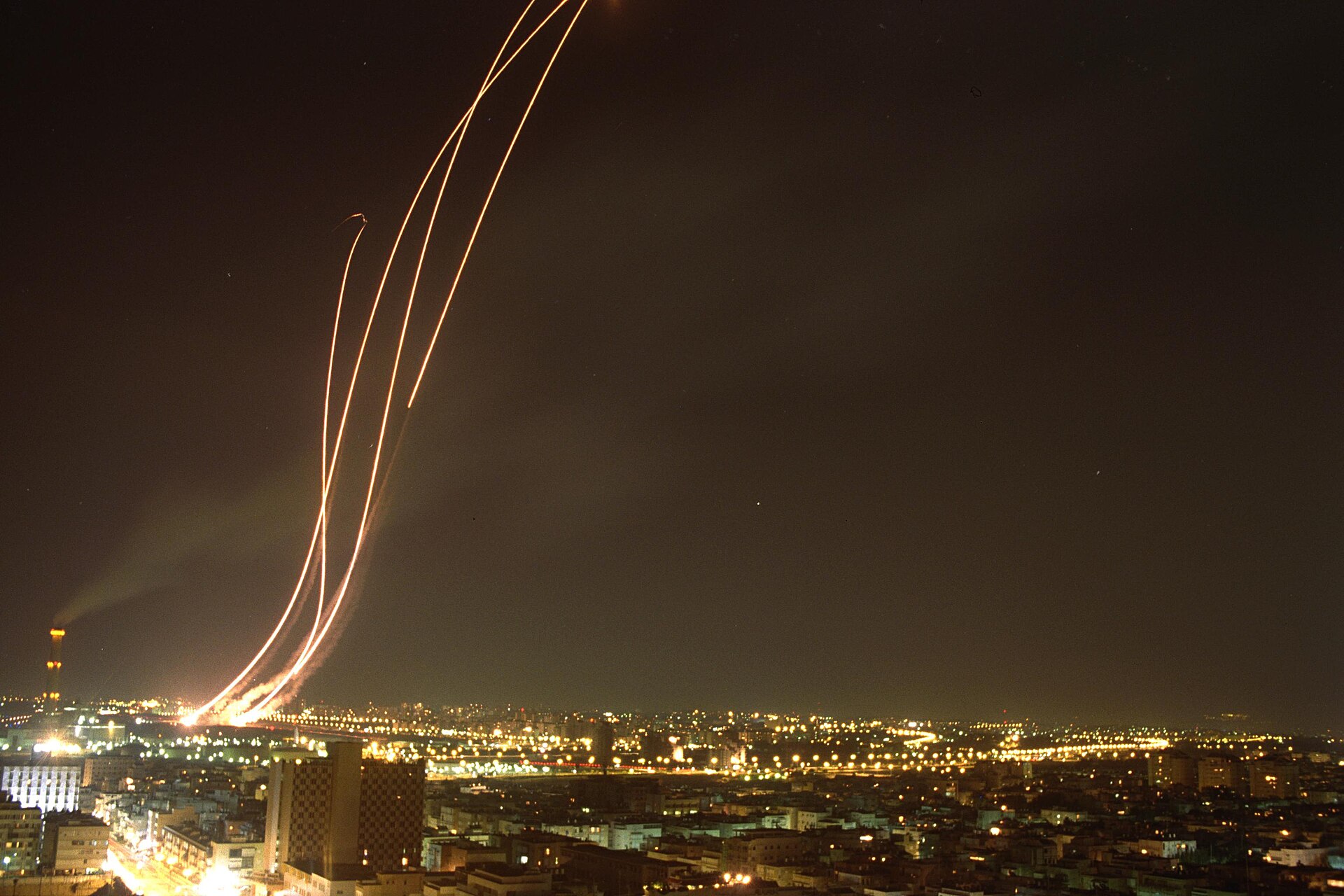
The U.S. State Department on Friday approved a possible $2.1 billion Foreign Military Sale of 500 Patriot PAC-3 Missile Segment Enhancement interceptors to Ukraine, financed entirely by allies and partners with no U.S. funds, according to the department's announcement as detailed by Army Recognition.
The package includes the 500 interceptors along with classified and unclassified spare parts and logistics and program support. The $2.1 billion figure covers the complete proposed package, not the missiles alone. The principal contractor is Lockheed Martin of Bethesda, Maryland.
Ukraine would pay through donations from Canada, Germany and Norway via JUMPSTART, formally the Joint Ukraine Multinational Program, Services, Training and Articles Rapid Timeline, along with national funds financed by the European Union's Ukraine Support Loan, the announcement says. JUMPSTART channels allied donations into Ukrainian purchases through the U.S. Foreign Military Sales system.
The approval is the formal notification step for a possible sale; it does not include a delivery schedule. The announcement does not identify a production schedule or a specific manufacturing allocation for Ukraine's missiles, according to Army Recognition. The department said Ukrainian forces would have no difficulty absorbing the missiles and that the sale would not require additional U.S. government or contractor personnel in Ukraine. The U.S. said it was not aware of any proposed offset agreement.
Ukrainian President Volodymyr Zelenskyy welcomed the approval but warned that deliveries could begin only in a few years. He said Ukraine had requested a winter support package of 100 Patriot interceptors a month, proposing that missiles be transferred first from U.S. and allied inventories and then replaced through new production, according to his statement as reported by Army Recognition. That remains a Ukrainian proposal, not a confirmed arrangement.
In his Oct. 30 address, Zelenskyy said Russia had launched 17 ballistic missiles overnight and described Patriot ammunition as being in short supply. In an Oct. 27 address, he said more than 100 ballistic missiles had been launched against Kyiv and the surrounding region since Oct. 14. Those figures are the Ukrainian government's account.
The PAC-3 MSE is a hit-to-kill interceptor: it destroys an incoming target by direct collision. U.S. Army acquisition documents list tactical ballistic missiles and air-breathing threats such as aircraft and cruise missiles among its intended targets. Compared with the earlier PAC-3, the MSE has a higher-performance solid rocket motor, more responsive control surfaces, upgraded guidance software and a modified lethality enhancer, according to Army Recognition.
Patriot itself is a ground-based air and missile defense system made up of radar, engagement control equipment, communications and launchers; the PAC-3 MSE is one of the interceptors it fires. The battery's sensors and control equipment detect and track threats and coordinate engagements. Supporting launcher modifications and system software are needed to use the MSE's improved performance.
The department said the package would sustain existing Patriot operations and improve Ukraine's integrated air and missile defense. Army Recognition noted that the purchase's immediate defensive value depends on when the interceptors actually become available, since the sale replenishes ammunition for batteries Ukraine already operates.
The package is ammunition and sustainment only. It does not include additional radars, launchers or engagement control stations. More interceptors would let Ukraine's existing Patriot batteries keep firing, but defending more locations would require more of those other components.
Repeated strikes on power generation, electricity networks and transport force Ukrainian commanders to divide interceptors among competing priorities, and further strikes can damage facilities that have just been repaired, Army Recognition noted. Ukraine also needs sensors, launchers and other air defense weapons to engage the different threats in Russia's campaign, including drones.
The approval came a day after Russian strikes hit Dnipro and Kyiv. A drone attack on a Dnipro rail platform on Thursday killed at least 14 people, and ballistic missiles struck warehouses in Kyiv later that day, according to Ukrainian officials cited by The Guardian. Attacks on power plants, grids and transport have increased pressure on Ukraine's stocks of interceptors.
The Pentagon's Defense Security Cooperation Agency posts formal notifications of proposed arms sales to Congress. Congress has a review period before a sale can proceed, and the purchaser and contractor then negotiate contracts.
Still unknown: when the first of the 500 interceptors would be delivered, whether the U.S. or allies will transfer missiles from existing stocks as Zelenskyy requested, and how many are already in Ukraine's inventory.