'Ghost Student' Charges: Five Defendants, $2.9 Million in the Cases Filed, and 830,840 Suspect Aid Accounts Worth Nearly $130 Million
The Justice Department's Operation Ghostbusters alleges that money mules in New Jersey, Virginia and Nebraska moved stolen federal student aid to Kenya. The court cases are far smaller than the headline figures, which describe suspected exposure, not proven losses.
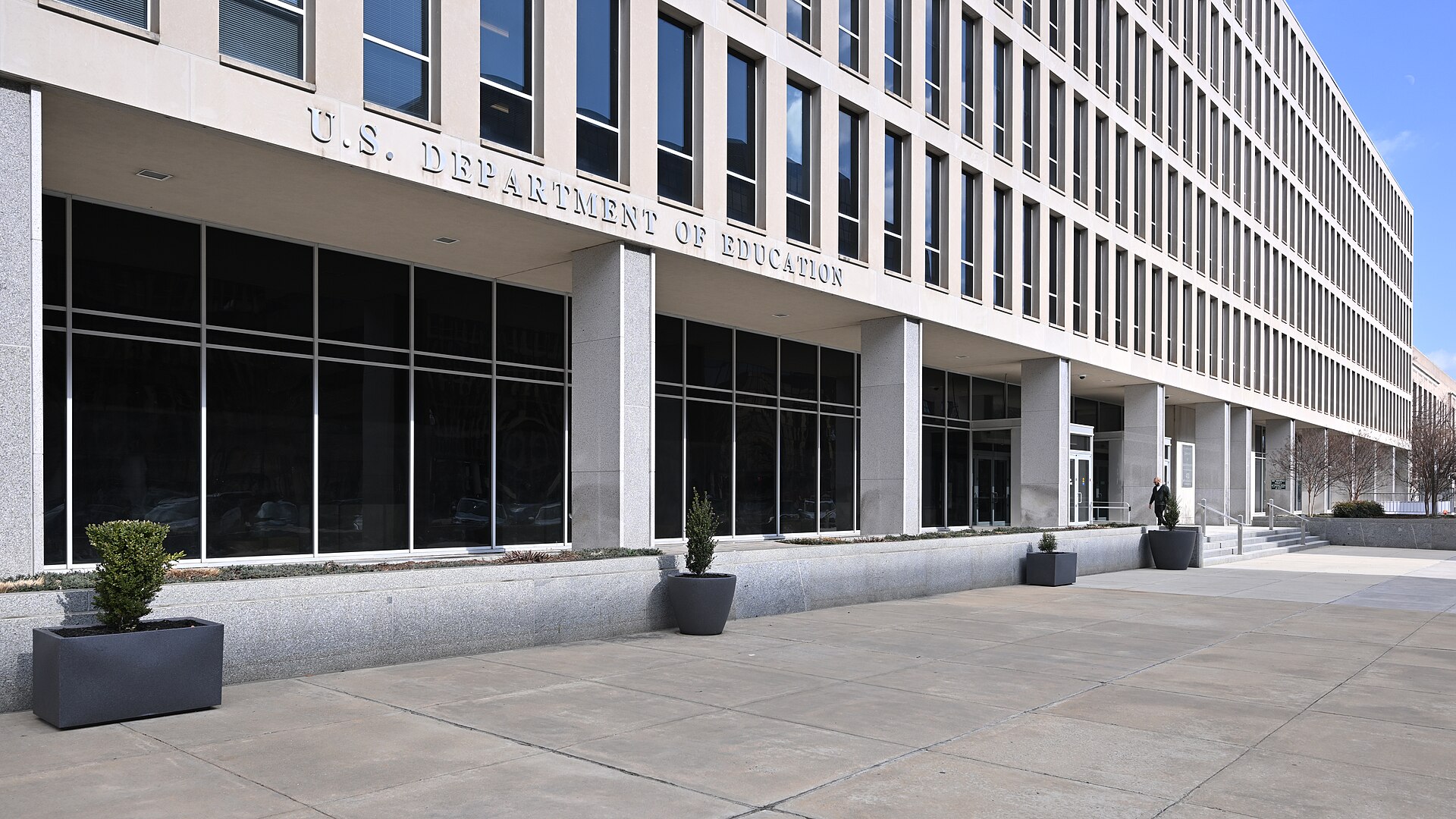
The Justice Department on Thursday announced the first charges in what it calls Operation Ghostbusters, a nationwide investigation into a scheme in which people allegedly used stolen identities of U.S. citizens to file federal student aid applications for "ghost students" who never attended class, then sent the refunds overseas.
According to the department's announcement, five defendants have been charged in three federal districts, and investigators seized more than $750,000 in cryptocurrency from an account belonging to a Kenyan national connected to the scheme, which the department described as the first international seizure of its kind in the history of its new Fraud Division. The charges are allegations, and all defendants are presumed innocent unless proven guilty.
The headline numbers and the court cases are very different in size. The department said that in September and October, investigators identified 830,840 potentially fraudulent FSA IDs, the accounts used to apply for federal student aid, "relating to nearly $130 million" and recommended that the Department of Education disable them. Elsewhere in the same release, the department says "estimates put the scale of the fraud well over $200 million," and FBI Assistant Director Heith Janke said the FBI has identified "more than $32 million in losses" in similar schemes. The intended losses listed for the three cases actually filed add up to about $2.9 million.
Those cases, as described by the department: In New Jersey, a criminal complaint alleges that three people, Mabed Patricia Utate-Alberto, Patricia Arisleydi Perez and George Arturo Alfau Mendez, acted as money mules from about March 2021 through at least January 2026, receiving more than $1 million in federal student aid obtained with stolen identities and wiring it, after taking a cut, to co-conspirators in Kenya associated with a purported safari company. The listed intended loss is $1.5 million. All three have been arrested, and two co-conspirators in Kenya have not yet been charged.
In the Eastern District of Virginia, a grand jury on Oct. 21 returned a sealed indictment against a Kenyan national, who is not named, on charges of conspiracy to commit wire fraud and student aid fraud. The indictment alleges the defendant received more than 700 fraudulent aid refund deposits totaling about $1,439,548 across multiple bank accounts and moved at least $1.3 million to accounts in the U.S. and Kenya.
In Nebraska, a grand jury on Oct. 19 indicted Francis Mogambi, a Kenyan citizen, on five counts of theft of government money and five counts of aggravated identity theft. The listed intended loss is $20,000. The indictment alleges that between November 2025 and May 2026 he worked with associates in Kenya to enroll identity theft victims in schools and redirect their aid checks, keeping 30% and sending the rest abroad. He has been detained pending trial. The department says he arrived in the U.S. on May 15, 2024, after winning the diversity visa lottery.
The department says the fraud has been going on since at least 2021, when community colleges and universities began spotting fraudulent applications. Many victims whose identities were used have only high school diplomas and were "shocked by their faked attendance at an institution hundreds of miles away," the release says. The investigation began at the FBI's Richmond field office after a referral from the Education Department's inspector general, and there are now more than 40 open cases across 26 FBI field offices and more than 20 U.S. attorney's offices.
Officials framed the case broadly. "If you steal American identities, if you steal taxpayer dollars, if you exploit programs meant to help students build a future — we will find you," said Assistant Attorney General Colin M. McDonald, who leads the department's National Fraud Enforcement Division. Under Secretary of Education Nicholas Kent said the Education Department has "saved taxpayers more than $2 billion in attempted student aid theft" under the administration. First Assistant U.S. Attorney Theophani K. Stamos of the Eastern District of Virginia said investigators had uncovered "hundreds of participants and hundreds of millions of dollars in stolen funds." Those totals are the officials' own and were not broken down in the release.
The BBC focused on Mogambi's path, noting that he came to the U.S. legally through the visa lottery just over two years before his indictment, and reported that stolen personal information used in such schemes was sometimes sold online for $4 to $8. The department credited Kenya's Directorate of Criminal Investigations, Asset Recovery Agency and Office of the Director of Public Prosecutions with assisting.
The department asked anyone who believes their identity was used to report it through the Education Department inspector general's hotline. The FBI has sent letters to many identified victims, the release says.
Still unknown: whether the 830,840 flagged accounts led to actual payments, how many have been disabled, and when the Virginia indictment will be unsealed.
Sources
- U.S. Department of Justice: Justice Department unveils indictments in nationwide 'ghost student' fraud scam linked to Kenyan network (Oct. 29) (opens in a new tab)
- Inside Higher Ed: DOJ makes arrests in FAFSA 'ghost student' scheme (Oct. 30) (opens in a new tab)
- BBC: Kenyans arrested in $130m US ghost student scam (Oct. 30) (opens in a new tab)
- Department of Education OIG: Hotline complaint form (opens in a new tab)