Hochul Says State Police Will Take Over Cornell Sex Assault Cases. Cornell's Text Says Survivors Will Choose
The agreement, effective immediately, lets survivors who pursue charges pick State Police or campus police. It comes as Cornell's faculty prepares a no-confidence vote and the state attorney general reviews a 2024 fraternity case.
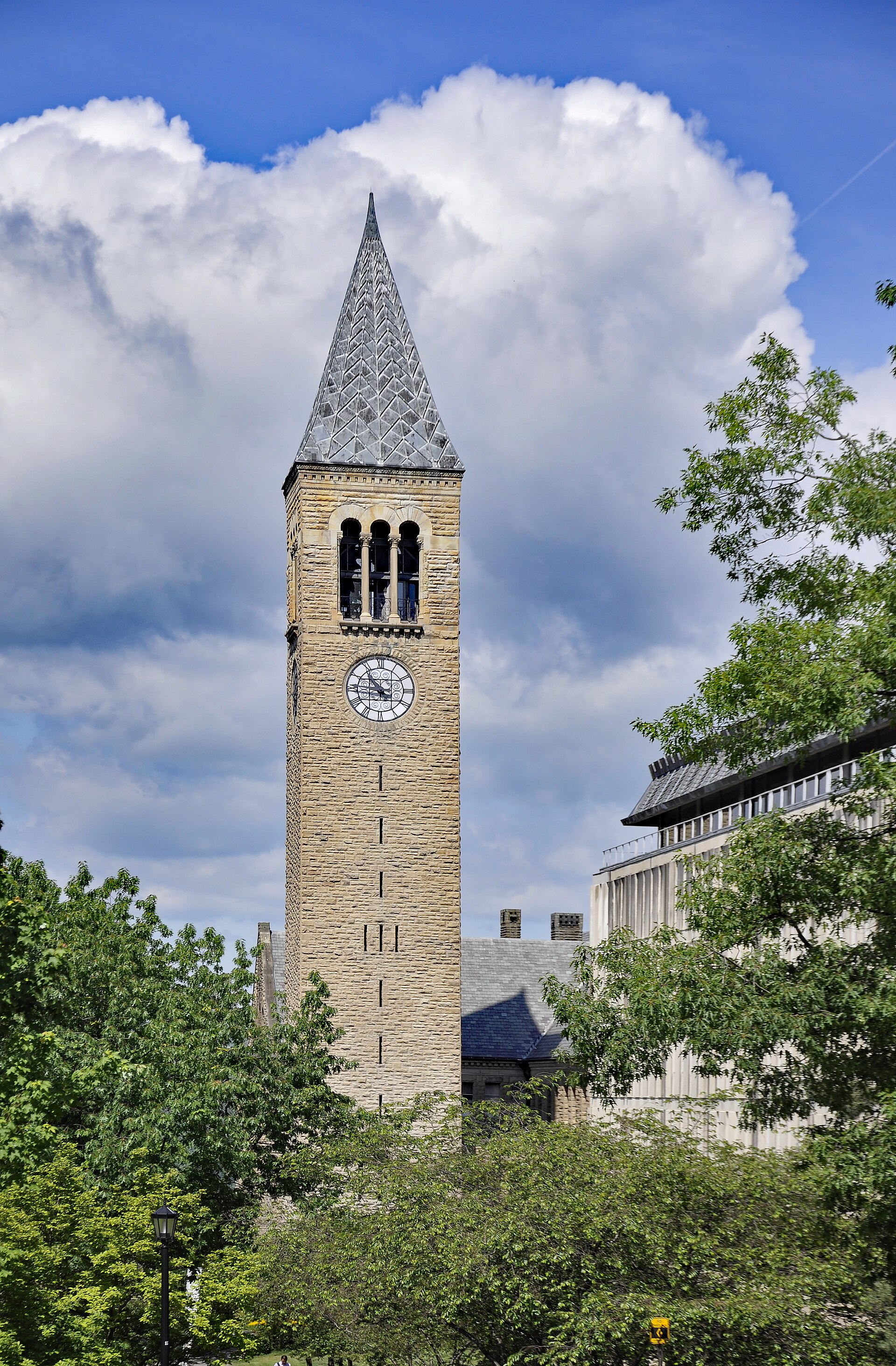
Cornell University has signed an agreement with the New York State Police that changes who can investigate sexual assault reports on its campus, the university announced Thursday, and the descriptions of what the agreement does differ in an important way.
According to the BBC, Gov. Kathy Hochul said the agreement means all sexual offense complaints at Cornell, which historically fell under university police, will be immediately referred to State Police. "When someone reports sexual assault," Hochul said, they deserve "to know their allegations will be taken seriously and thoroughly investigated by law enforcement trained to support survivors." She added: "Survivors should be able to trust the institutions responsible for protecting them."
Cornell's own statement, signed by President Michael Kotlikoff, describes something narrower. It says the agreement will, effective immediately, "enable sexual assault survivors who elect to pursue criminal charges to choose whether to have State Police or Cornell Police serve as the designated investigatory agency on their cases." Survivors also keep the option of having Cornell Police, Ithaca Police or the Tompkins County Sheriff investigate, the statement says. The Cornell Daily Sun's account of the agreement matches the university's.
The statement says the agreement "does not change a survivor's full autonomy over whether or when to engage with law enforcement or file a criminal complaint," and that interviews and investigations will continue to use trauma-informed practices. Cases handled by State Police will be independent of Cornell, with State Police overseeing the investigation and any referral for prosecution, while Cornell Police assist as requested and preserve and share relevant records and evidence. University and student records remain protected by applicable law, including education privacy rules.
The agreement will remain in place during the independent review of Cornell's handling of sexual misconduct now under way, which the Sun reported is being led by Sally Yates. Cornell said it is also helping explore the creation of a special victims unit for Tompkins County.
"As we embark on the work of rebuilding our community's sense of safety and trust, it is essential that all members of our community feel able to report sexual assault with confidence that their reports will be handled with professionalism and sensitivity," Kotlikoff wrote. He thanked Hochul and the State Police for the partnership.
The change follows a case that has shaken the university. A former student, identified in court papers as Jane Doe, alleged in a lawsuit filed in September that she was drugged and gang raped by seven men at the Chi Phi fraternity house in 2024, the BBC and the Sun reported. She alleges that Cornell failed to protect her or adequately punish the men. Those are allegations in a civil suit. After initially defending its disciplinary measures, the university acknowledged it fell short in handling her case, according to the BBC.
Hochul earlier this month said she was "deeply disturbed" by how the investigation was handled and appointed New York Attorney General Letitia James as a special prosecutor to oversee a reopened review of whether criminal charges are warranted, the BBC reported. Cornell announced a set of what it called immediate measures on Oct. 13, including adding sexual assault investigators to its police force; the State Police agreement is part of that package, according to the Sun.
Pressure on the administration continues. Cornell's Faculty Senate decided Wednesday, in a closed-door meeting, to move forward with a no-confidence resolution against the administration and Kotlikoff, according to the BBC. Voting opens Friday and runs until Nov. 6. The vote is largely symbolic, the BBC noted, but could add pressure for leadership changes.
The difference between the governor's description and the university's text matters for survivors deciding where to report. Under the university's version, a survivor who wants campus police to investigate can still choose that, and no case goes to any police agency unless the survivor elects to pursue charges.
Put in order, the sequence since September runs as follows, based on the BBC's and the Sun's reporting and Cornell's statement: the Jane Doe lawsuit in mid-September; Cornell's package of immediate measures on Oct. 13; Hochul's appointment of James as special prosecutor earlier this month; the Faculty Senate's decision on Wednesday, Oct. 28, to hold a no-confidence vote; the State Police agreement on Thursday, Oct. 29; and faculty voting from Friday, Oct. 30, through Nov. 6. Each step has come within roughly six weeks of the suit becoming public.
Neither the governor's office nor Cornell published the text of the agreement itself with the announcements. Unanswered: whether it sets any deadline or review date, how cases already under investigation will be handled, and how many reports Cornell Police received last year.
Sources
- Cornell University: Agreement with New York State Police for sexual assault investigations (Oct. 29) (opens in a new tab)
- The Cornell Daily Sun: Cornell pens agreement allowing State Police to investigate allegations of sexual assault (Oct. 29) (opens in a new tab)
- BBC: New York police will investigate all sex crimes at Cornell, governor says (Oct. 30) (opens in a new tab)