Getting Into a Research Lab Often Takes a Connection or a Cold Email. A Northeastern Junior Is Building a Matching Platform Instead
Soumya Raguraman's LabMatch, still in development, would let principal investigators post openings and students post availability. It won a university innovation award.
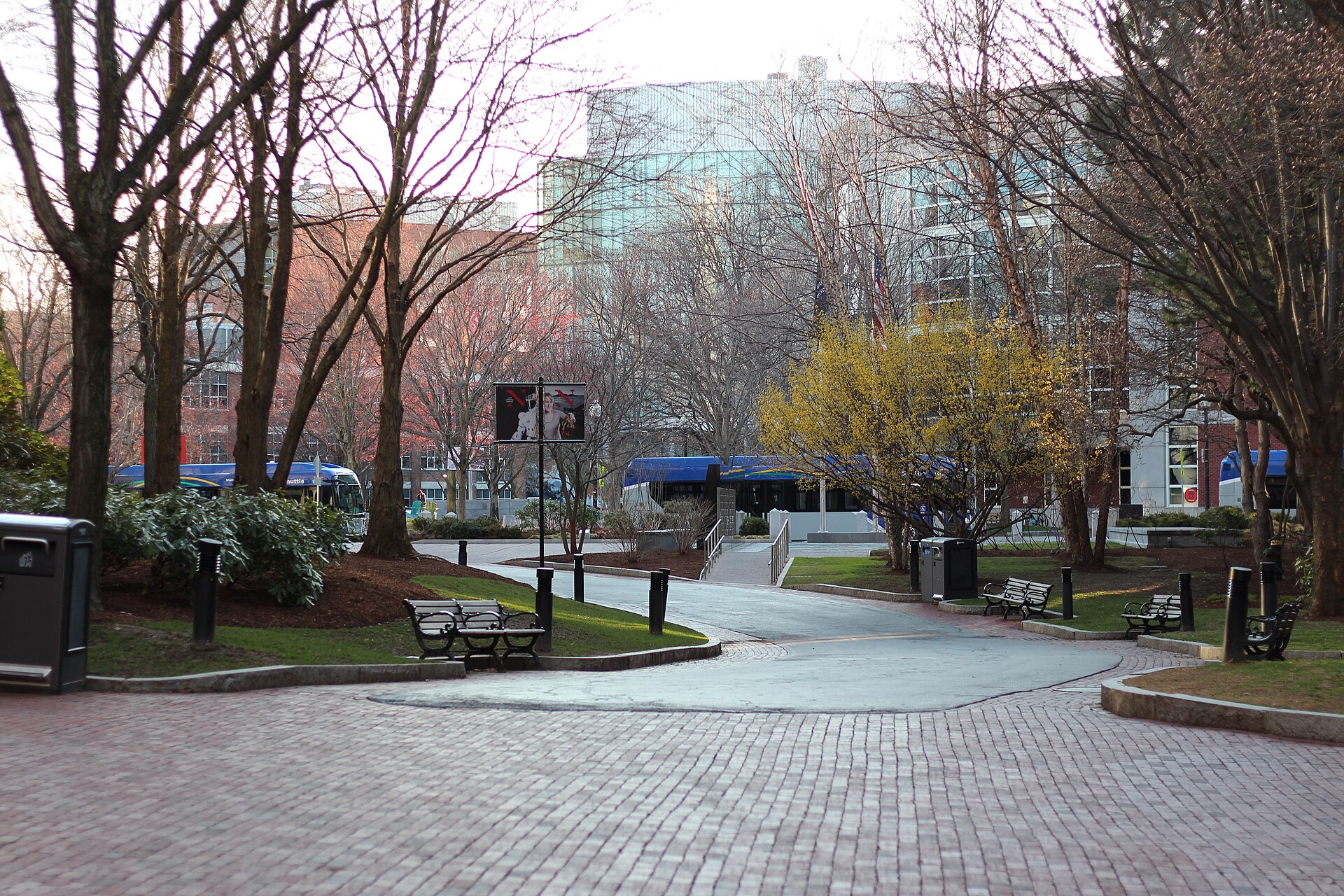
For undergraduates aiming at medical school or a research career, a spot in a university lab is close to a requirement. Getting one often depends on who you know. A Northeastern University student is building a platform she says could change that, according to the university's news service.
Soumya Raguraman, an applied psychology student on Northeastern's Boston campus who plans to graduate in 2027, is developing LabMatch, an online platform meant to connect principal investigators, the faculty who run labs, with undergraduates seeking positions, Northeastern Global News reported. The idea won first place in the Social Impact and Sustainability category of Northeastern's 2026 Women Who Empower Innovator Awards.
How students find labs now
Spots in many labs are limited, which makes the process highly competitive, said Adriana Papadakis, a research coordinator for Northeastern's Social Development and Wellbeing Lab. Students whose schedules or skills don't line up exactly with a lab's request "can feel like they are jumping over hurdles to find a suitable placement," she said, according to the university.
"Undergrad research experience is so important for the resume. And the actual substance of what you're doing in the lab is extremely important, too," Papadakis said. "It teaches you so much about what the practicalities of research are, the messiness of it."
Raguraman said she knew she wanted to pursue pre-med and was told she needed clinical, volunteer and research experience. Some peers got lab spots through family referrals or by spending time in professors' office hours, she said. One friend got a placement at a lab in a Massachusetts hospital by asking the surgeon who repaired his ACL whether there were openings.
As a first-generation U.S. college student without family ties in academia, and without time to meet faculty in person, Raguraman said cold emails were her best option. She found the Russell Women in Science Leadership Scholars Program, a Mills Institute initiative offering first-year students research experience and mentorship, and later earned more placements in Boston.
The other side of the problem
Working in labs showed her the faculty side, Raguraman said: some labs were overwhelmed with applications, had little capacity to respond and struggled to find the right fit. "The problem wasn't a lack of interest, but rather the wrong structure," the university summarized.
How LabMatch would work
"The goal is to create a third-party platform where PIs (Principal Investigators) can post what they need. Students can sort through that and then, based on [LabMatch's] recommendations, apply for what they want," Raguraman said. "We want to form connections and allow everyone an opportunity."
Students would create profiles listing prior research experience, weekly availability, desired length of commitment and areas of interest or expertise. Faculty would post their exact research needs, minimum qualifications and number of open spots. "One party can look at the other party's qualifications while also having their own standards and requirements," Raguraman said. "And then we can match them based on their best fit."
She is building it with a classmate studying computer science.
What faculty said
Jared Young, a biology professor who runs the Young Lab on Northeastern's Oakland, California, campus, said the platform would help both sides. "On the faculty side, it would give us easy access to student profiles, which we don't currently have. On the student side, this would be especially helpful if the website identifies a timeline on which faculty are seeking undergraduate students," he said.
Some faculty suggested adding a way for students to complete mandatory lab training modules that would appear as badges on their profiles, Raguraman said.
"When she told me more about it, I was very impressed. It's a great idea," said Papadakis, who mentors Raguraman. "It's really cool that the idea is bottom-up from a student."
Why it matters beyond Northeastern
Raguraman said she hopes to apply the model beyond Northeastern. Northeastern's news service said her aim is to redesign the lab application process "throughout Northeastern's research ecosystem and elsewhere." The informal channels she described, referrals, office hours and cold emails, are familiar to undergraduates at many universities.
"Research is for everyone. It is not an exclusive club," Raguraman said. "If our goal is to help people, it should be accessible to everyone."
What is not known
LabMatch is still in development. The university's report did not give a launch date, say whether Northeastern will formally adopt it, or say how the platform would be funded.