Students Said They'd Vote and Found the Ballot Questions 'Super Confusing.' What Northeastern and Harvard Students Reported Before Tuesday
A Huntington News survey found 68% of respondents planned to vote but rated their knowledge of ballot questions at 4.34 out of 10. Harvard first-timers described the same problem.
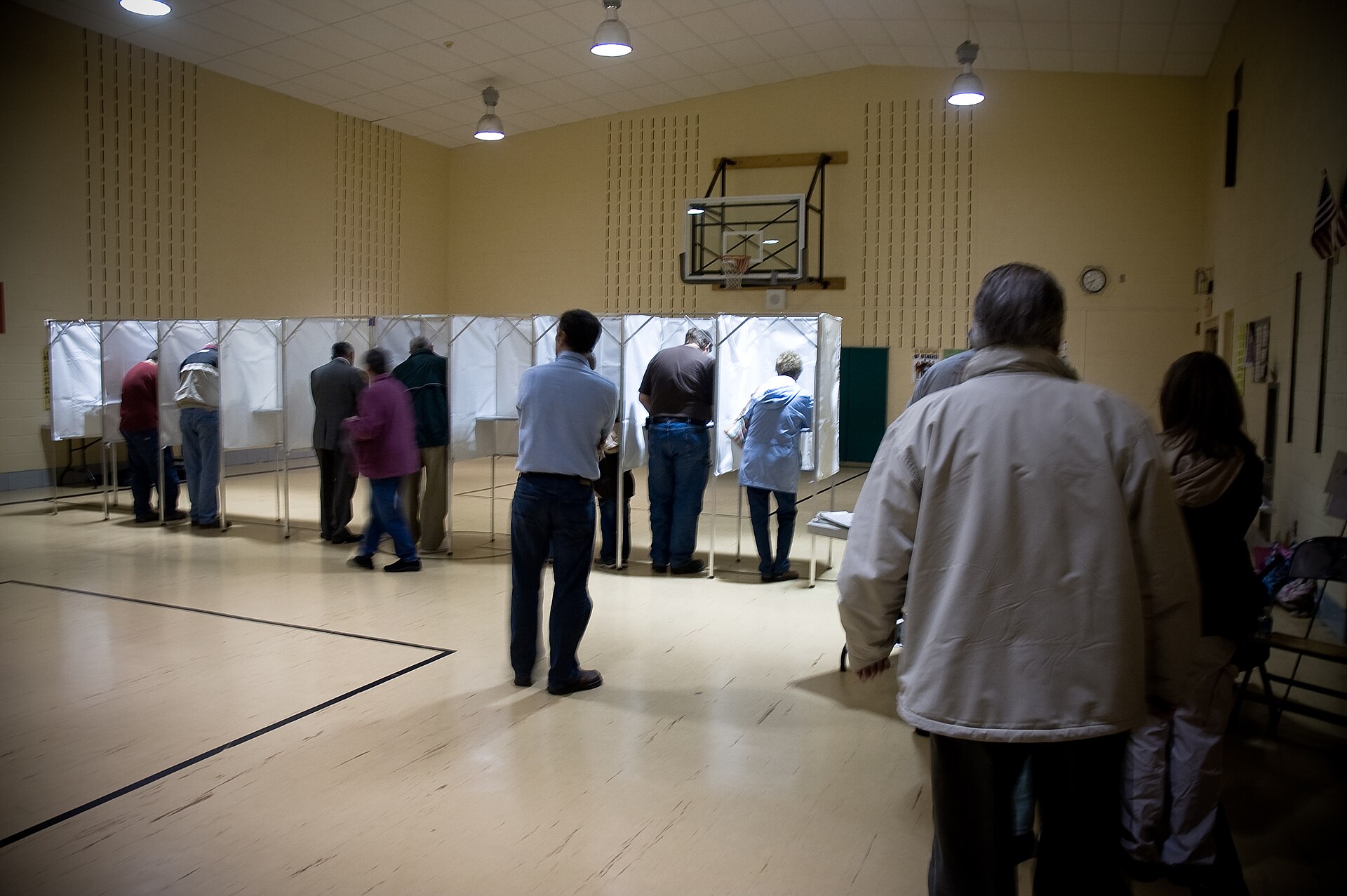
In the days before Tuesday's election, student journalists at Northeastern and Harvard asked classmates whether they would vote and how ready they were. Their reporting points to a gap that showed up in Massachusetts' unusually long ballot: students said they intended to vote but felt shaky on the nine statewide questions.
The Northeastern survey
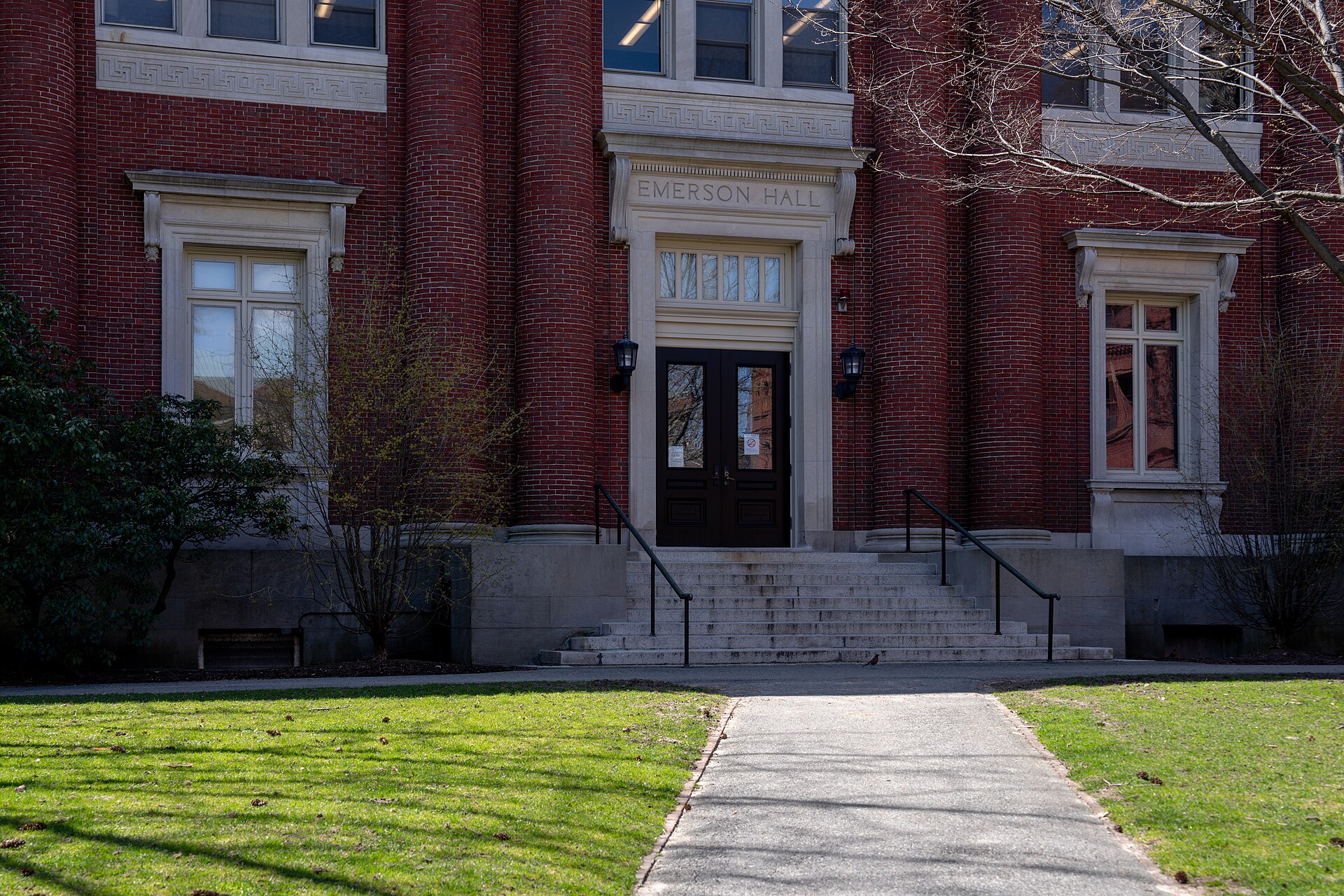
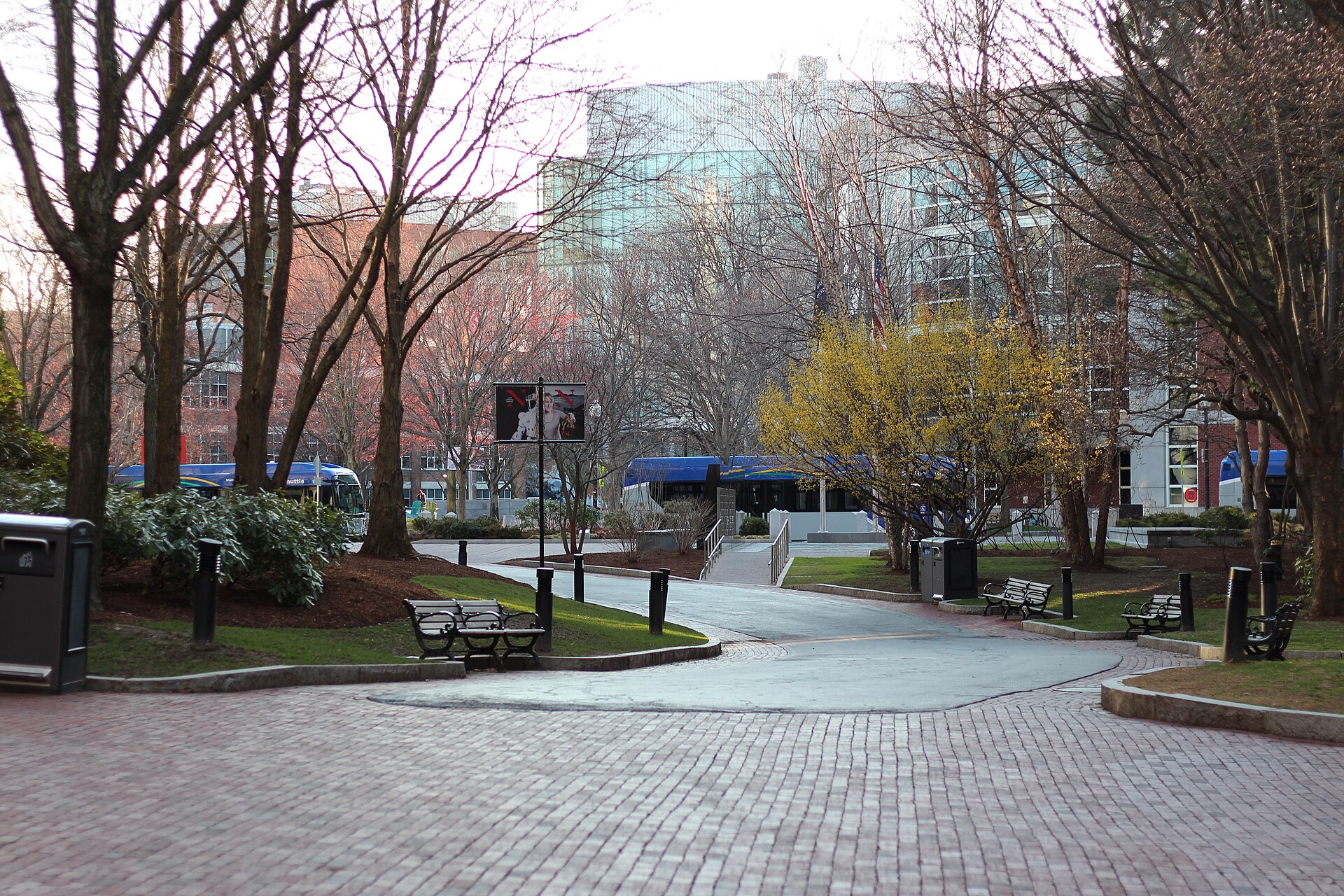
The Huntington News, Northeastern's student newspaper, surveyed students on the Boston campus over two weeks and got 285 responses. About 68 percent said they planned to vote in the Nov. 3 midterms, and 83.2 percent said they were registered, the paper reported. Just under 70 percent identified as Democrats.
Of registered respondents, 38.6 percent planned to vote by mail, 17.5 percent in person and 16.8 percent by absentee ballot; 15.4 percent were unsure how they would vote, and 10.5 percent said they would not vote.
Asked to rate their knowledge of the candidates on a 1-to-10 scale, respondents averaged 5.19. On the ballot questions, they averaged 4.34. Asked how important their vote would be, they averaged 6.65.
The paper noted its survey was not scientific and should not be used to generalize about the Northeastern community.
The national pattern
Youth turnout drops more sharply in midterm years than for any other age group, the Huntington News reported, citing Tufts University's Center for Information and Research on Civic Learning and Engagement, which estimates about 47 percent of eligible 18- to 29-year-olds voted in 2024 and 23 percent in the 2022 midterms.
"A lot of students just don't understand what general midterm elections are, or how important it is for them to be just as engaged with them as they are with presidential elections," said Lindsay Marshall, an ambassador with the nonpartisan group NUVotes. She said many students want to switch their registration to Massachusetts because they live in Boston year-round.
"It's definitely important to me that the people that are elected for my state are going to uphold what I believe in politically, and not what the current administration is doing," said Z Leach, a second-year biology and political science major. "There's not many ways that we can fight it right now, [but voting is] one of them."
Eris Niles, a third-year marine biology major who has organized for Massachusetts politicians, told the paper that many young people are "absent" from politics, but that campaigns are "so eager to have us back and make space for student voices." NUVotes and the Student Government Association planned an election-night watch party.
Harvard's first-time voters
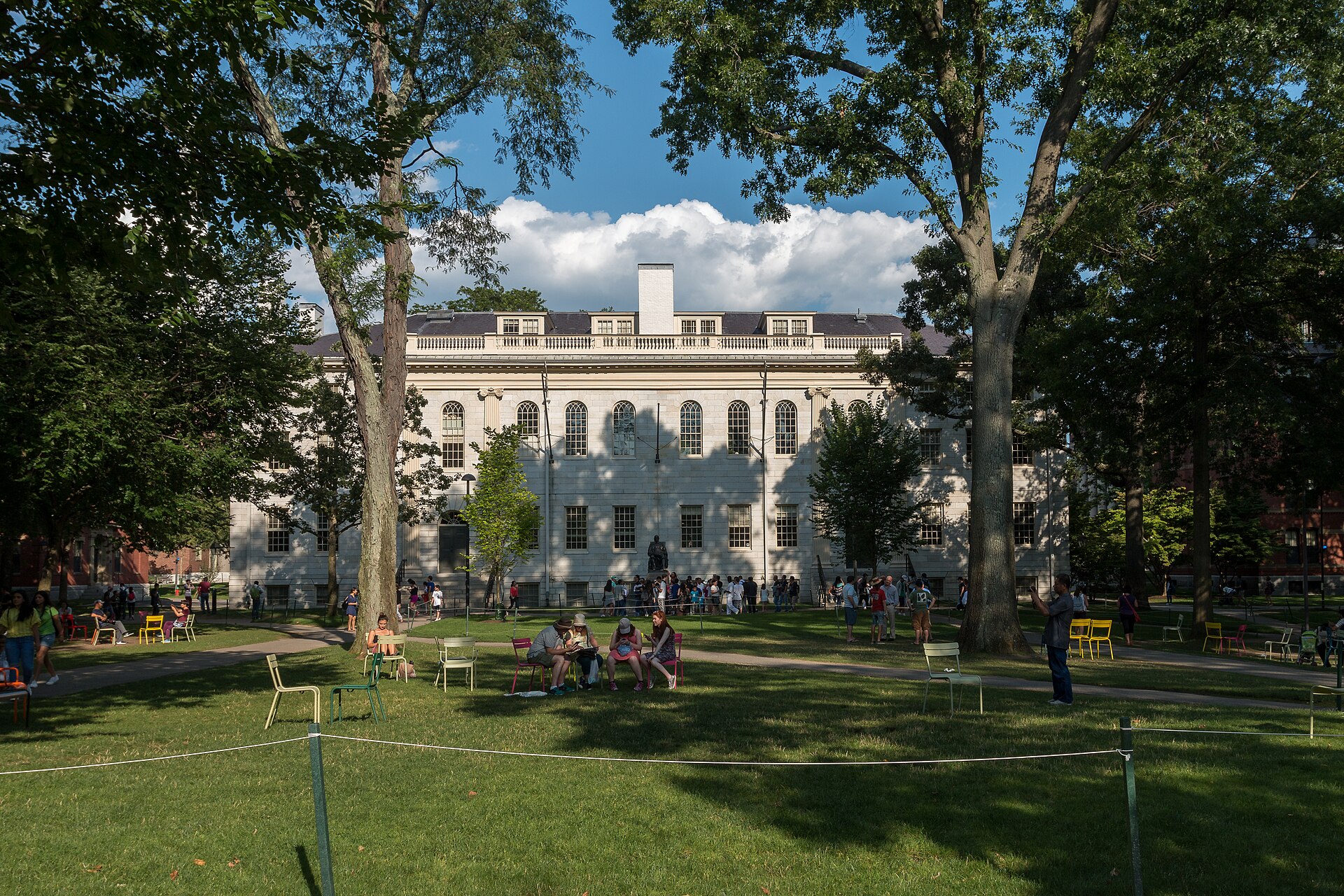
At Harvard, many first-year students voted for the first time, many by mail or absentee ballot, and some asked parents to drop off ballots during Family Weekend, The Harvard Crimson reported. "I don't think it was confusing," Isabella Baldisseri said of the process. "I think it was really simple."
But students voting in Massachusetts said the questions were harder. Elizabeth Chung said some were "super confusing," pointing to Question 9, which asked whether to keep the 2024 gun law. "I'm like a relatively well-educated person," she said. "I feel like I should be able to understand ballot questions, and I had to look it up and be like, 'Wait, what does which thing mean?'"
Question 9 was structured so that a yes vote kept the law. Even CBS Boston's results page carried a note that its graphic "should say 'uphold' not 'repeal.'"
"People ignore the importance of things like ballot questions," said Adithi Jayashankar, another first-year voting in Massachusetts, "because a lot of policy that actually gets implemented in day-to-day life comes at the state level."
Carter Umphress, chair of the Harvard Votes Challenge at the Institute of Politics, said, "Your vote is your way to express your views on the direction of the country, your state, your city, and your community."
What happened Tuesday
Boston cast 185,569 ballots, according to the city's unofficial results, out of 443,178 registered voters, about 42 percent. Precinct-level student turnout figures were not available. Statewide, voters approved same-day voter registration under Question 4, beginning in 2028, which supporters said would especially help renters and recent movers, according to Boston.com.
Question 9 passed, keeping the gun law, and Question 7, the starter-homes measure, remained uncalled Wednesday morning.
What is not known
Actual turnout among students at Northeastern, Harvard or other Boston campuses is not yet known.
Sources
- The Huntington News: Huntington News poll finds majority of students plan to vote in midterms (opens in a new tab)
- The Harvard Crimson: Harvard First-Time Voters Cast Their Ballots in 2026 Midterms (opens in a new tab)
- City of Boston: Unofficial Election Results (opens in a new tab)
- CBS Boston: Massachusetts 2026 election results (opens in a new tab)
- Boston.com: Election results, how Mass. voted on this year's 9 ballot questions (opens in a new tab)