Nine Questions, One Ballot: What Yes and No Mean on Each, and Why Question 3 Is the One the Polls Cannot Call
In the newest public poll, the all-party primary trailed 41 percent to 44 percent, within the margin of error. On Question 9, the vote runs backward: yes keeps the 2024 gun law and no repeals it.
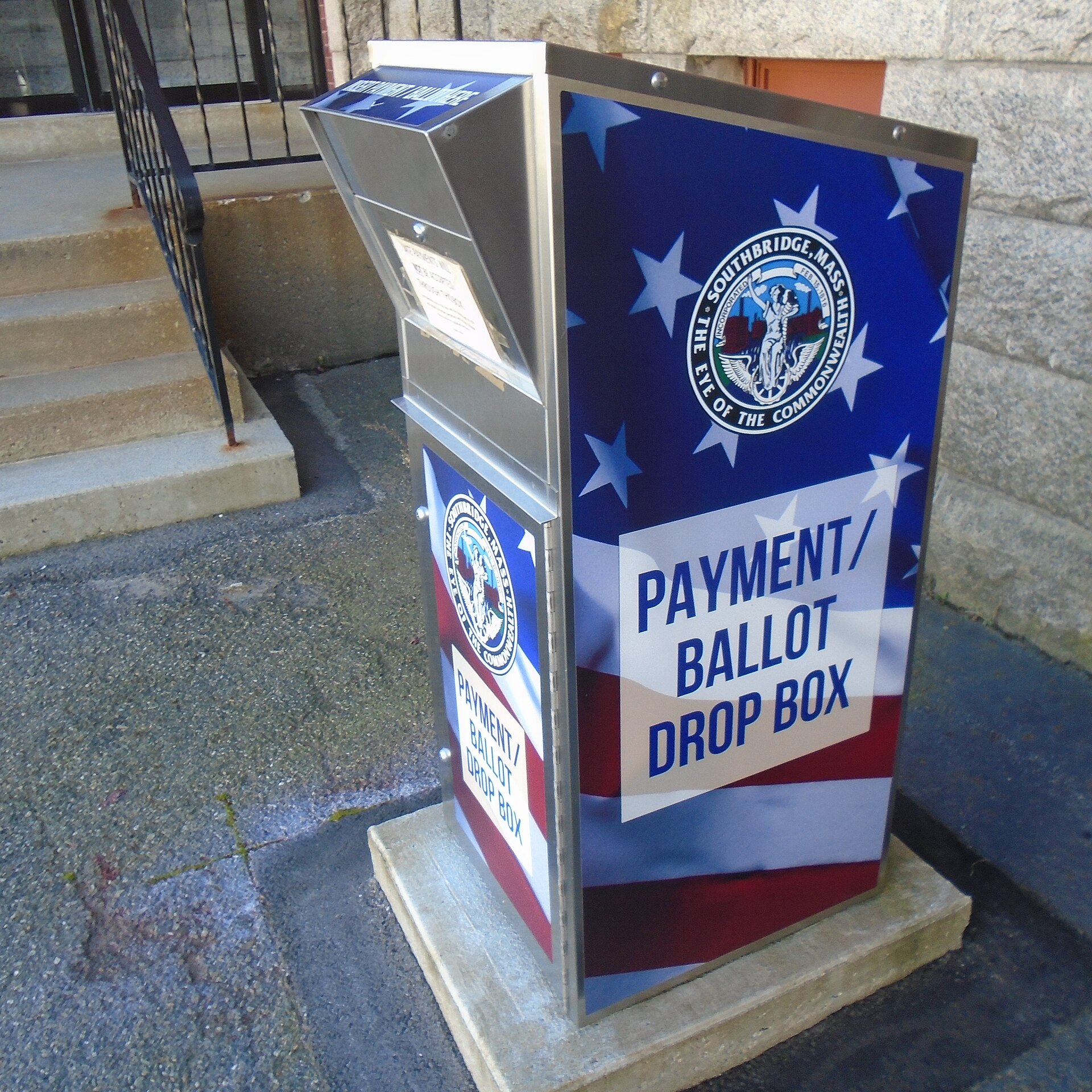
Massachusetts voters on Tuesday decide nine statewide ballot questions, a record-tying number, alongside races for governor, U.S. Senate and other offices. Polls are open from 7 a.m. to 8 p.m., according to the Secretary of the Commonwealth's office.
Below is what a yes and a no vote would do on each question, drawn from The Boston Globe's Election Day guide and the state's official voter information, followed by what the public polls have shown. Polls are snapshots, not predictions, and ballot-question polls can shift late because many voters focus on the questions only when they see the ballot.
<h3>The nine questions</h3>
Question 1 concerns the public records law, which in Massachusetts, unlike most states, allows both the governor's office and the Legislature to claim blanket exemption. A yes vote would extend the law to those branches, according to the Globe.
Question 2 asks whether public defenders and other employees of the Committee for Public Counsel Services should be able to form a union. A yes vote would give them that opportunity.
Question 3 would replace party primaries for state offices with a single primary listing all candidates regardless of party, with the top two advancing to the general election. A no vote keeps the current system.
Question 4 would allow eligible citizens to register to vote at their polling place on Election Day. A no vote keeps the deadline at 10 days before an election.
Question 5 would change how the state's annual tax revenue limit is calculated. A yes vote would tie the limit more closely to prior-year collections and could mean more taxpayer refunds; the Globe noted it could also make it harder for lawmakers to build budgets. A no vote keeps the current formula.
Question 6 would divert sales tax on certain outdoor activities and equipment into a new conservation fund.
Question 7 would allow single-family homes on residential lots of 5,000 square feet or larger without special approval from a local zoning board. One analysis of the measure describes the conditions as including 50 feet of frontage and public water and sewer, subject to reasonable local regulation.
Question 8 would end recreational marijuana sales, impose stricter possession limits and roll back home cultivation protections if it passes. A no vote keeps the current law.
Question 9 concerns the 2024 gun law that regulated so-called ghost guns, expanded the red flag law and created new training and licensing requirements. It is structured as a repeal, so a yes vote keeps the 2024 law and a no vote repeals it.
<h3>What the polls have shown</h3>
Five public polls have tested the questions since August, according to a review of the published toplines by the legal-information site MassLegalResources. On seven of the nine questions, the yes side led in every poll that asked. On Question 8, the no side led every time; the marijuana repeal has never topped 33 percent in those polls.
The exception is Question 3. In the newest poll, released Oct. 28 by the UMass Lowell Center for Public Opinion and YouGov, it trailed for the first time, 41 percent yes to 44 percent no, within the poll's 4.4-point margin of error. The university called it 'the closest election measured in the poll,' and said the two sides were 'about even,' according to that review. Men opposed the question 48 to 40; women supported it 42 to 39.
The yes campaign's main committee has raised about $7.9 million, mostly from a few dozen large donors, and the state's major parties oppose the measure, according to the same review of state campaign finance filings. Harvard professor Danielle Allen, who is leading the campaign, told the Globe in an Oct. 30 story, 'We're sending a message that our democracy is broken.' Even if Question 3 passes, it would not take effect until Jan. 1, 2028.
Questions 5 and 7 have each been tied in one poll. Question 5 has led in all five, but its margin fell from 59-14 in August to 40.0-37.6 in Suffolk University's October poll; UMass Lowell found 49-38. Its undecided share reached 25 percent in a September MassINC poll. Suffolk found Question 7 tied, while the other polls showed it ahead, according to the review.
<h3>A rule beyond the majority</h3>
Under the Massachusetts Constitution, an initiative petition also needs its yes votes to equal at least 30 percent of all ballots cast in the election, not just a majority of those voting on the question, the MassLegalResources review notes. That threshold can matter on a long ballot where some voters skip questions.
Results will begin arriving after polls close at 8 p.m. In 2022, a year with roughly half as many ballot questions, about two-thirds of Massachusetts votes were reported by midnight, according to a New York Times analysis cited by the Globe.
Sources
- The Boston Globe: Election Day in Mass., everything you need to know (Nov. 3) (opens in a new tab)
- MassLegalResources: Every 2026 Massachusetts ballot question poll, ranked (Nov. 2) (opens in a new tab)
- Secretary of the Commonwealth: 2026 Information for Voters (opens in a new tab)
- Tufts University: MyBallot (opens in a new tab)