Two Housing Milestones in One Day: 48 Starter Homes Break Ground in Mission Hill as 44 Apartments Open at Bartlett Station
A vacant city lot off Terrace Street will become income-restricted condos for first-time buyers plus 30,000 square feet of gardens and recreation space. In Roxbury, the fifth building on a former MBTA bus yard is now open.
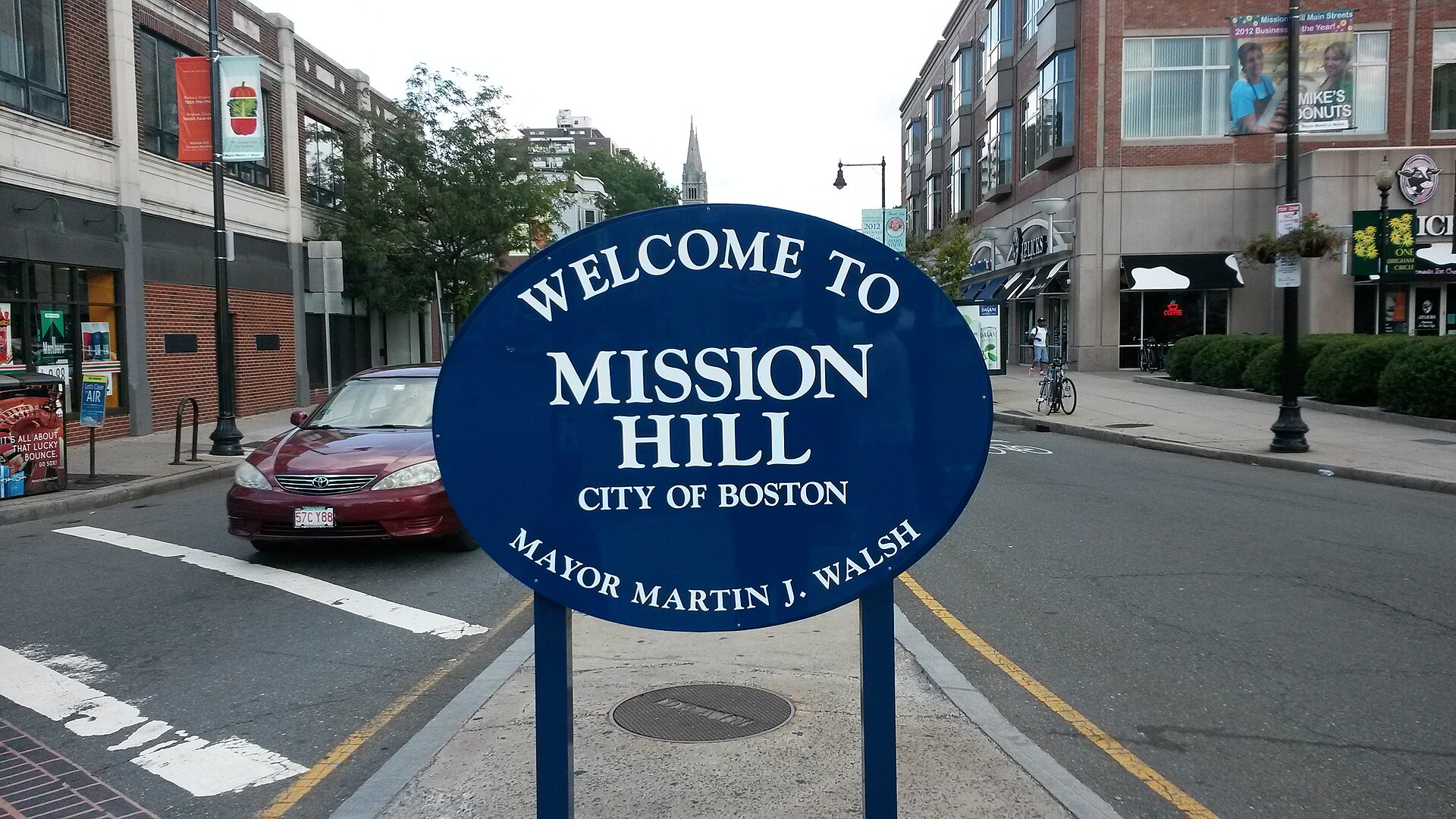
City housing officials marked two milestones on Thursday, one in Mission Hill and one in Roxbury, according to two announcements from the Mayor's Office of Housing. In Mission Hill, developers broke ground on 48 income-restricted homes for first-time buyers on long-vacant city land. In Roxbury, 44 income-restricted apartments opened at 59 Bartlett Station, the latest building on a former MBTA bus yard that has been under redevelopment for years.
The Mission Hill project, called Mission Hill Pathway, is a mixed-use development on city-owned land, the city said. Beyond the 48 homes, it includes about 30,000 square feet of recreational and urban agriculture space and about 2,000 square feet of ground-floor commercial space on Terrace Street, intended for sale or lease to local entrepreneurs.
All 48 homes will be sold to first-time buyers earning between 80% and 100% of the area median income, according to the city. The developer, chosen through a competitive request for proposals run by the Mayor's Office of Housing, is ODJ Dev LLC, a joint venture of DVM Housing Partners, Oxbow Urban and JGE Development. Construction will be led by Dellbrook with ERise Builders, which the city describes as a minority-owned construction firm.
The building itself is planned as an approximately 45,000-square-foot, all-electric, net zero carbon structure, the city said. The public open space will be owned by the Boston Parks and Recreation Department and cared for by The Trustees of Reservations, which will also own and manage the community garden space.
The financing is layered. The city lists money from the Mayor's Office of Housing, the Community Preservation Fund, GrowBoston, the state Executive Office of Housing and Livable Communities, MassHousing, Eastern Bank, the Property & Casualty Initiative, The Trustees, HousingWorks and MassSave. Community Preservation Act funding supports both the homeownership and open space parts of the project. The announcements do not give a total project cost, a construction timeline or expected sale prices.
"Mission Hill Pathway takes land that was sitting vacant and turns it into an asset for the entire neighborhood, with 48 new homeowners as well as gardens, open space, and opportunities for small businesses," said Sheila A. Dillon, the city's chief of housing. Dariela Villón-Maga, founder and president of DVM Housing Partners, said the homes "will allow first-time buyers to build wealth and create greater stability for their families." MassHousing CEO Chrystal Kornegay said the project would turn "a vacant city lot into 48 brand new homes for purchase by moderate-income buyers."
Kevin Maguire, founder and CEO of Oxbow Urban, credited city departments with working "hand in hand" with the developers and residents "to address challenges and find solutions."
The Roxbury opening has a longer history. According to the city, the redevelopment of Bartlett Station grew out of the Roxbury Strategic Master Plan, which identified the former 8.5-acre MBTA bus yard as a site for new housing and economic opportunity. Residents helped shape the project beginning in the early 2000s through public meetings, design workshops and neighborhood planning committees, and a community jobs monitoring committee worked with the development team on local hiring and contracting. After years of environmental cleanup and planning, construction began in 2017.
The newly opened building, which Dillon referred to as Building 5, adds 44 income-restricted rental homes. It was developed by Urban Edge and Nuestra Comunidad Development Corporation, which are moving forward together; Emilio Dorcely is CEO of Urban Edge and executive director of Nuestra Comunidad. Funding came from the Mayor's Office of Housing, the Neighborhood Housing Trust, the Community Preservation Fund, the state housing office, MassHousing, CEDAC, MassSave, RBC Capital Markets and JPMorgan Chase, the city said.
"Bartlett Station has been years in the making, shaped by the ideas, determination, and commitment of Roxbury residents," Dillon said. "Transforming this property into a neighborhood with affordable homes, local businesses, and public spaces has required patience, persistence, and strong partnerships." Dorcely called it "a powerful example of what sustained, community-centered development can achieve." Kornegay said MassHousing had been a partner in all five phases of the redevelopment.
Both announcements place the projects inside the administration's citywide housing count. Since Wu took office, the city says, nearly 40,000 homes have been completed, entered construction or advanced into the development pipeline, including nearly 12,000 income-restricted homes. More than 16,700 are complete and about 6,000 are under construction. The Bartlett Station release adds that the count includes more than 1,600 income-restricted homeownership opportunities.
The figures are the city's own and combine finished homes with projects still being planned, so they describe a pipeline rather than homes available today. The announcements do not say how the 48 Mission Hill homes will be marketed or when a lottery for buyers will open, or what the rents will be at 59 Bartlett Station. Applicants generally find income-restricted listings through the city's Metrolist service.
What remains open: the sale prices and buyer lottery schedule for Mission Hill Pathway, when construction is expected to finish, and what is next for the remaining parcels at Bartlett Station.