Boston Gets a New Licensing Chief as City Moves to Cut a Four-Month Wait for Restaurant Buyers to Two Weeks
Ava Callender Concepcion, a former acting chair of the state Cannabis Control Commission, takes over the Licensing Board, the Cannabis Board and the city's licensing office on Nov. 4. She inherits a zoning overhaul announced a day earlier that would stop treating takeout as a separate use.
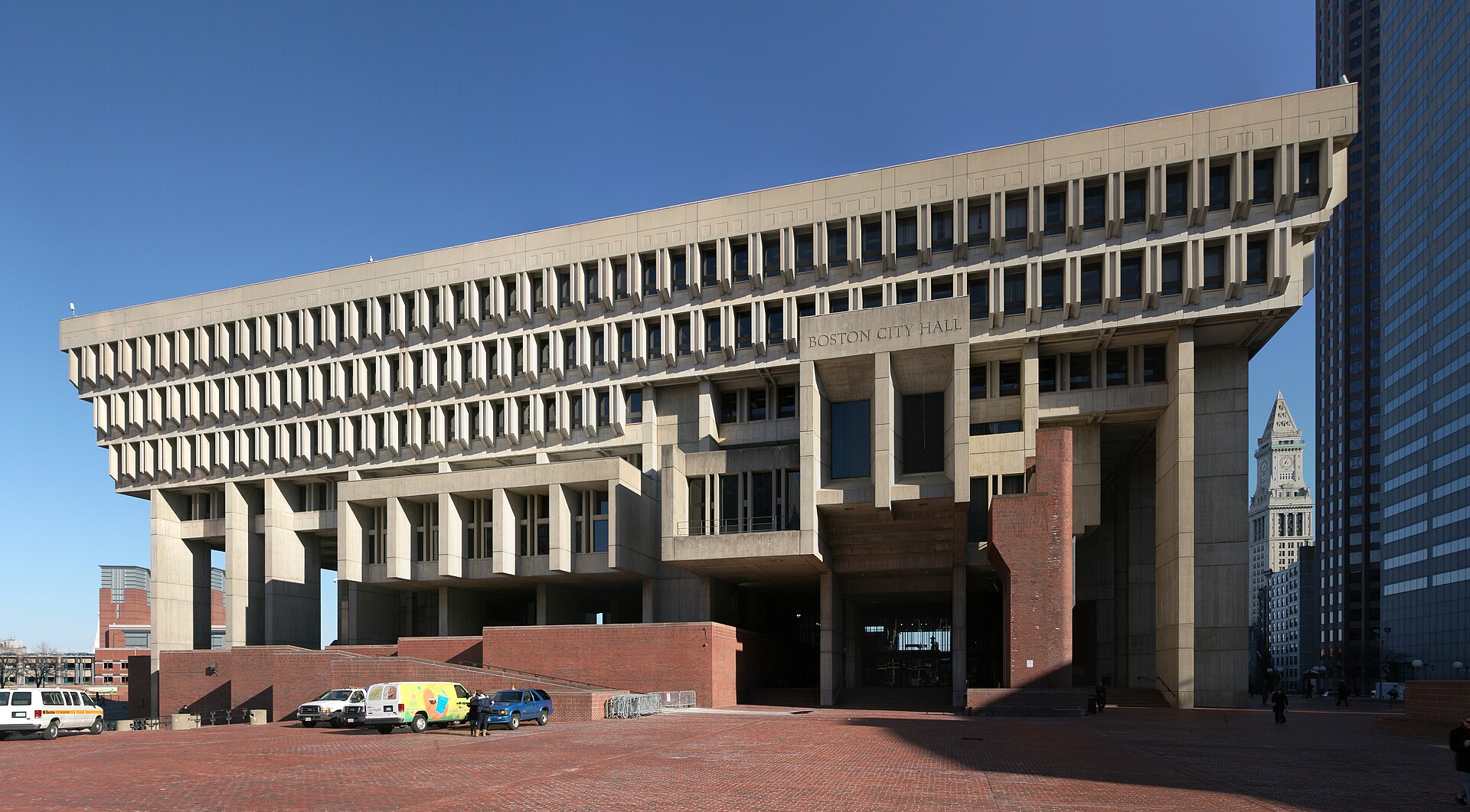
Boston will have a new official in charge of deciding which bars, restaurants, nightclubs and cannabis shops can open, and where, beginning next week. Mayor Michelle Wu on Thursday appointed Ava Callender Concepcion as executive director of the Mayor's Office of Consumer Affairs and Licensing, chair of the Boston Licensing Board and chair of the Boston Cannabis Board, according to a city announcement. She starts Wednesday, Nov. 4.
Concepcion succeeds Kathleen Joyce, who has led the licensing office and chaired the Licensing Board since 2018 and became the first chair of the Boston Cannabis Board in 2019. The appointment came one day after the Wu administration announced a package of proposed zoning changes meant to shorten the time it takes to open or buy a restaurant, so the new chair will take office as those changes move toward the city's planning and zoning boards.
The combined job touches most neighborhood businesses that serve food or drink. According to the city, the Licensing Board grants and regulates alcohol and food licenses for restaurants, nightclubs and other establishments, while the Cannabis Board reviews applicants for marijuana businesses. The executive director also oversees entertainment licensing, outdoor public events and consumer affairs.
Concepcion is already on the Licensing Board as a commissioner. In that role, the city said, she has helped carry out Boston's expansion of neighborhood-restricted liquor licenses. Before joining city government, she served as a commissioner and acting chair of the Massachusetts Cannabis Control Commission, appointed to the commission's public safety seat in 2021 by Maura Healey, then the attorney general. The city's announcement says she helped govern a $7 billion industry with more than 640 licensees and led an agency of 135 people.
Her earlier posts, as listed by the city, include director of governmental affairs and external partnerships for the Suffolk County District Attorney's Office, counsel to the Senate chair of the Legislature's Joint Committee on the Judiciary, and positions in the office of U.S. Rep. James E. Clyburn and at the Massachusetts Appellate Tax Board. She was also a candidate for Boston City Council. She graduated from Boston Latin Academy, Johnson C. Smith University and New England Law in Boston, has been a member of the Massachusetts bar since 2016, and was raised in Mattapan, where she still lives.
"Boston's licensing system shapes the fabric and direction of our neighborhoods," Concepcion said in the announcement. "I've dedicated my career to ensuring all of Boston's communities have access to meaningful opportunities and that our regulatory agencies address issues impacting our businesses and adjudicate matters effectively."
Wu thanked Joyce for her years of service and said Concepcion "knows our neighborhoods inside and out." The city credited Joyce with significant licensing reforms, wider neighborhood access to liquor licenses, emergency outdoor dining and licensing programs during the COVID-19 pandemic and, in summer 2026, a streamlined process for bars and restaurants to extend their hours and take part in open container zones.
The zoning proposal Concepcion inherits targets a specific bottleneck. Under current rules, according to the city's Oct. 28 announcement, takeout service is treated as a separate zoning use. That can trigger an additional zoning review even when a new owner buys an existing restaurant or coffee shop and changes nothing about how it operates. Restaurant owners told the city those reviews can delay openings for months while they pay rent on a closed business.
The first proposed change would rewrite the city's definition of a restaurant so that takeout alone no longer triggers that review, while keeping Licensing Board oversight. The city estimates the change would cut the time for a new owner of an existing restaurant to open from four months to less than two weeks, saving tens of thousands of dollars before the doors open. The announcement says coffee shops, bakeries and ice cream shops, whose business is mainly takeout, would benefit most. The change goes first to the board of the BPDA, the city's planning agency, and then to the Zoning Commission.
A second, broader effort will follow. In the coming months, the Planning Department plans to begin modernizing restaurant zoning in commercial and mixed-use districts citywide, building on rezoning in Mattapan Square, Roslindale Square, Downtown and East Boston over the past five years, with the aim of allowing restaurants in more places where they are already common. The city is also rewriting its "How to Open a Restaurant" guide to explain a simplified process for the common victualler license, food service permit and entertainment license when only ownership changes.
"Boston is cutting through red tape so entrepreneurs can open their doors sooner, saving time and money, and building sustainable businesses," Wu said in the Oct. 28 announcement. Chief of Planning Kairos Shen called the proposals "common sense reforms." Steve Clark, president and CEO of the Massachusetts Restaurant Association, said the change would "streamline the regulatory process."
The city listed earlier changes as context: digital certificates of occupancy (67 applications started so far), permanent permits for private-property patios (69 businesses have switched), an end to annual certificate-of-inspection renewals for some small establishments without alcohol (more than 1,000 businesses affected), sign permitting cut from about 150 days to 30 or fewer, and the 2024 state law creating 225 new Boston liquor licenses over three years. The city has also extended the 2026 outdoor dining and food truck season through Nov. 15.
Still unknown: when the BPDA board and Zoning Commission will take up the restaurant definition change, and whether the Licensing Board will change its own procedures for ownership transfers once Concepcion takes the chair.
Sources
- City of Boston: Mayor Wu appoints Ava Callender Concepcion as chair of Boston Licensing Board (Oct. 29) (opens in a new tab)
- City of Boston: Mayor Wu announces zoning reforms to make it easier to open and run a restaurant (Oct. 28) (opens in a new tab)
- City of Boston: Licensing Board (opens in a new tab)