Judi Dench Says Sight Loss Means She Can No Longer Act or Read
The 91-year-old Oscar winner told BBC Radio 4 that age-related macular degeneration, diagnosed in 2012, has left her unable to perform on stage or film, read, or reliably recognise faces.
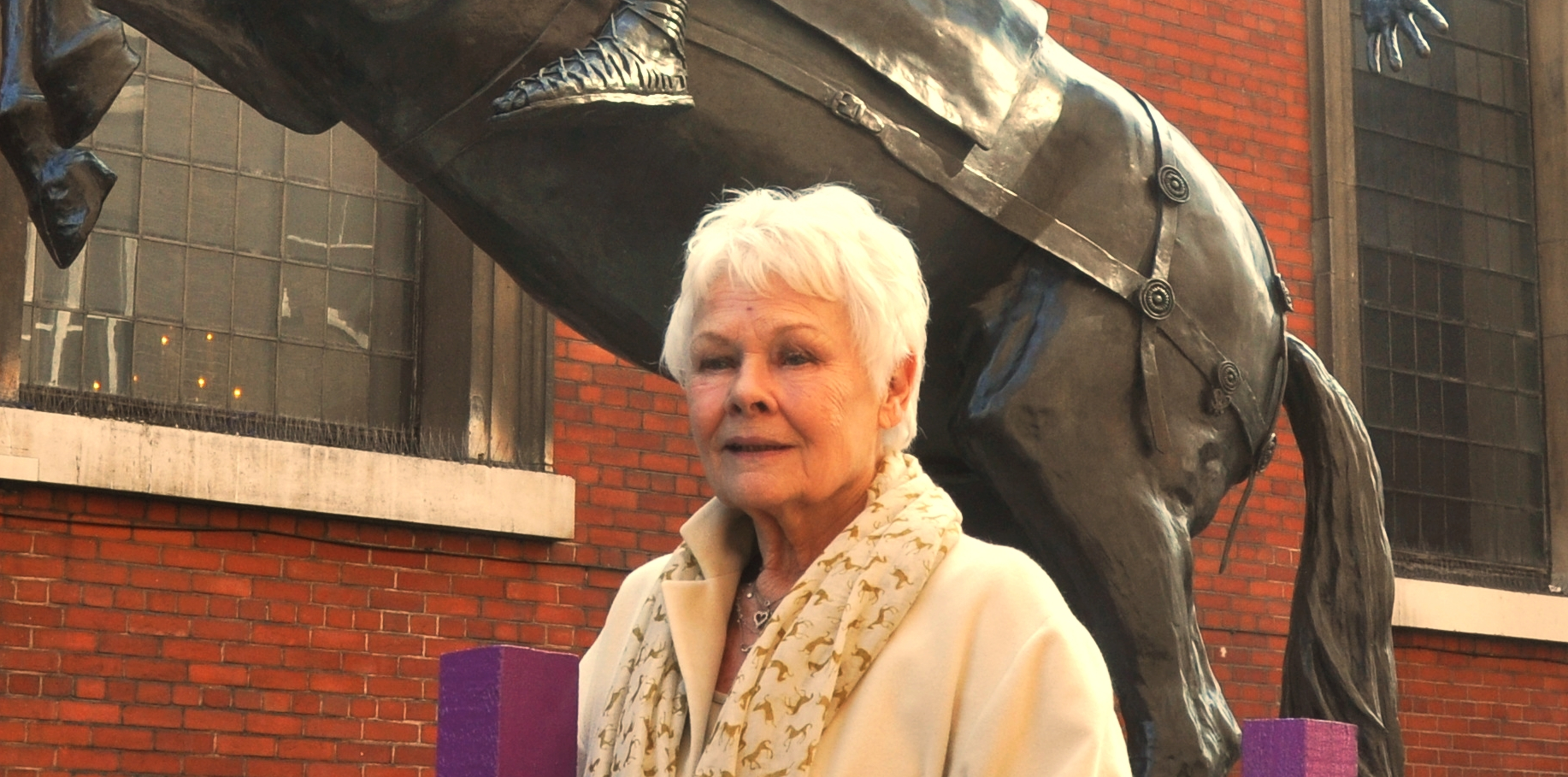
Dame Judi Dench, one of the most decorated performers in the English-speaking world, said this week that her eyesight has deteriorated to the point that she can no longer work as an actor.
"I can't be on stage. I can't do a play anymore. I can't do a film anymore. I can't read anymore," Dench, 91, told presenter Emma Barnett on BBC Radio 4's Today programme on Thursday, Oct. 22, according to the BBC, The Guardian and NBC News.
Dench was diagnosed with age-related macular degeneration, known as AMD, in 2012, the BBC reported. NBC News described the condition as an eye disease that makes it difficult for those affected to see directly in front of them. The Guardian reported that the disease causes progressive sight loss and has increasingly affected both her ability to work and her independence in everyday life.
The interview marks a shift from her earlier public comments. In 2024, Dench told NPR's All Things Considered that the condition had worsened and was affecting her work, NBC News reported. At the time, she told CBS Mornings that despite walking past old friends without recognising them, she could still act, and that in the great scheme of things it did not matter, according to NBC News.
This week, her account was starker. The BBC reported that the condition has made it very difficult for her to recognise faces. Dench said she sometimes approaches the wrong people "and give them an almost hug" before realising her mistake, according to the BBC. ABC News in Australia reported that she said she often nearly hugged strangers, mistaking them for people she knew.
Asked how she is managing, Dench said she has had to adapt. "So you've got to adjust to all that, and make allowances for it and just get on and don't think about it too much," she said, as quoted by ABC News.
When Barnett asked how ageing was going, Dench answered with one word, "Rubbish," according to NBC News. "There's nothing to say for it at all," she continued, the BBC and NBC News reported, adding that she does not think about it too much.
The BBC reported that Dench had previously spoken about struggling to see on film sets and about difficulty learning scripts as her vision declined. The broadcaster also noted that she has continued to make public appearances and to speak openly about adapting to life with deteriorating vision, saying that "the radio has always been important to me."
The Guardian's headline noted that Dench remains "besotted by" Shakespeare's sonnets, a reference to her long association with the playwright's work. NBC News described her as one of Britain's most revered actors, with a career spanning film and theatre and well known for her work in Shakespearean plays.
Dench's career runs more than seven decades across theatre, television and film, the BBC reported. She won the Academy Award for best supporting actress for playing Queen Elizabeth I in Shakespeare in Love, presented in 1999, according to the BBC. ABC News reported that her honours include an Oscar, a Tony and seven Olivier awards.
For many American audiences, she is best known as M, the head of British intelligence in the James Bond films. The BBC reported that she debuted in the role in GoldenEye in 1995, becoming the first woman to play the character.
In the interview, Dench also offered advice to younger performers, and to her younger self. Taking risks is good, she said, according to NBC News. "If people say, 'Oh, this is so like you, you've got to play it,' no, that's not the one to play," she said. "For me, always frightening, but that's part of it."
"Use the energy, but, just don't ever take it for granted. ... It's always work in progress. Always," she added, NBC News reported.
NBC News noted that the condition makes it difficult to see directly in front of oneself, which is consistent with the limits Dench described in the interview: reading, performing from a script and recognising faces.
Dench did not describe the announcement as a formal retirement in the reporting reviewed by Boston Uncut, and none of the outlets reported a specific final project. Her remarks were framed around what the condition now prevents her from doing: performing on stage, working on film and reading.
The reaction from outlets on both sides of the Atlantic reflected her standing. The Guardian's arts and culture correspondent covered the interview the same day, NBC News and ABC News in Australia carried it within hours, and Reuters included it in its entertainment news summary on Oct. 22.
What remains unclear is whether Dench will continue in audio work or other formats that do not depend on reading a script. She has spoken about the importance of radio in her life, and her Today programme appearance was itself a radio interview. Any further plans had not been announced as of Friday.
Sources
- BBC News: Dame Judi Dench: 'I can't do a play, a film or read anymore' (opens in a new tab)
- The Guardian: Judi Dench says sight loss means she can no longer perform (opens in a new tab)
- NBC News: Judi Dench says she can no longer act or read (opens in a new tab)
- ABC News (Australia): Dame Judi Dench can no longer act due to worsening eyesight (opens in a new tab)
- Reuters Entertainment News Summary (via Devdiscourse) (opens in a new tab)