Healey and Minogue Agree on More Ballot Questions Than They Split On. Here Is Where They Differ
With six days to the Nov. 3 election, the governor and her Republican challenger both back expanding the public records law and both oppose repealing recreational marijuana. They split on Questions 6 and 9, and neither has a firm position on Question 2.
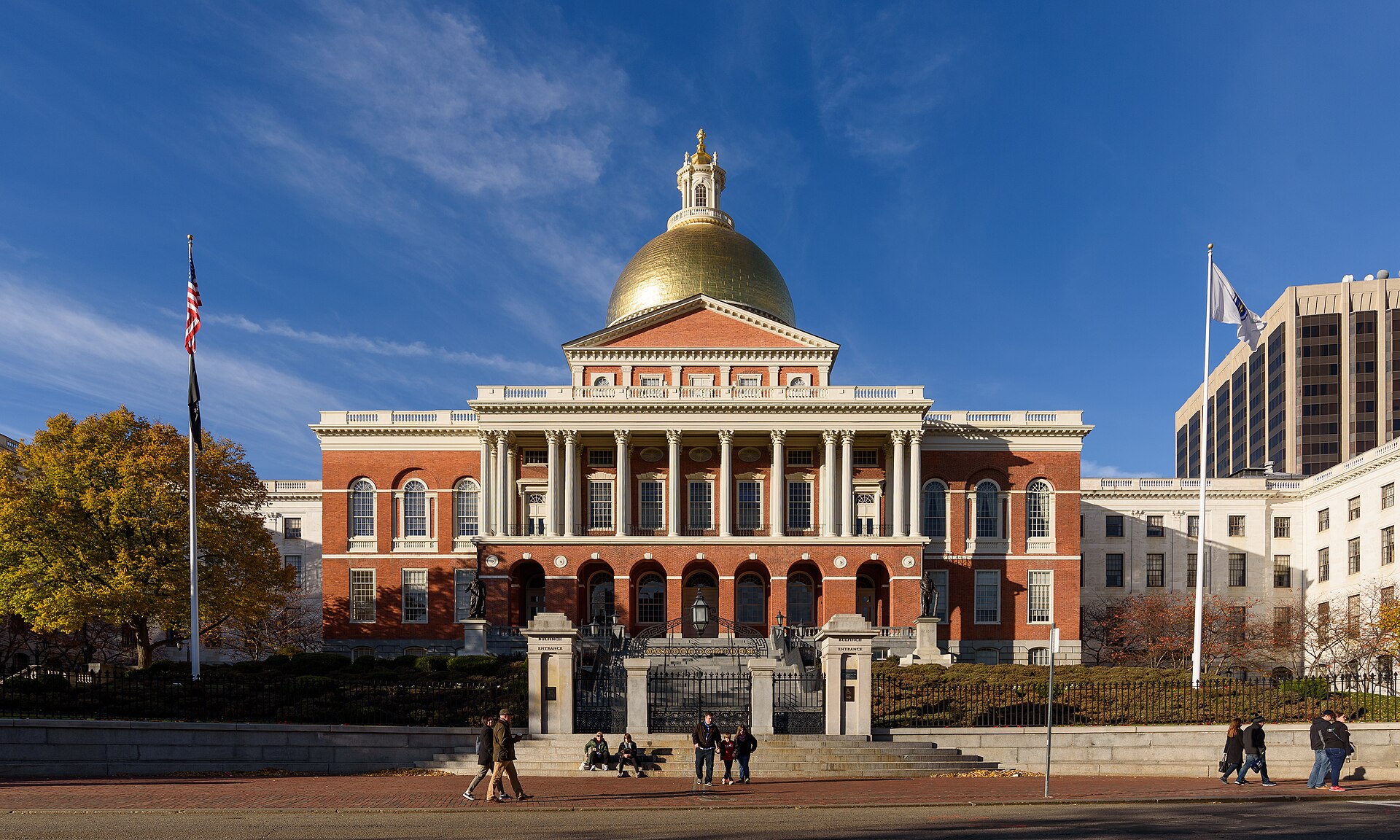
Gov. Maura Healey and Republican nominee Mike Minogue agree on more of the nine statewide ballot questions than they disagree on, according to their answers in interviews with NBC10 Boston published this week, with the clearest splits on the state's 2024 gun law and a proposed conservation fund. The election is Tuesday, Nov. 3.
NBC10 Boston asked each candidate how they would approach every question during its @Issue interviews. Boston Uncut compared their answers with the official question descriptions in the Secretary of the Commonwealth's 2026 Information for Voters guide.
Question 1 would make most records held by the Legislature and the Office of the Governor subject to the state Public Records Law. Both candidates support it, NBC10 reported. That puts the sitting governor on record backing a measure that would apply the law to her own office.
Question 2 would specify that employees of the Committee for Public Counsel Services, the state public defender agency, may bargain collectively. Neither candidate gave a firm answer. Healey said she is "still looking at that one." Minogue said he would "learn more about it," and added, "I don't like what happened last year. There was no fairness in the negotiation. They were only getting $68 an hour," a reference to the 2025 work stoppage by private bar advocates.
Question 3 would replace party primaries for state offices with a single all-party primary listing every candidate. Both oppose it, for different reasons. Healey said "there are some real questions" because it "would disadvantage women and people of color, and people who can't afford to self-fund their campaigns." Minogue said he supported the idea "in concept" as a former independent, "but I'm against it, because I don't think it's going to happen that way."
Question 4 would allow Election Day voter registration. Healey answered "Absolutely." Minogue's support was conditional: "If there is a requirement for some type of validation of who you are," he said. "But if they don't have that, then I'm against it, because it can change the vote."
Question 5 would change the state revenue cap known as Chapter 62F. Minogue said he is "all for that." Healey's answer was less direct; she said she supports 62F "and how it operates" and that voters should consider what more frequent rebates would mean for schools and roads. NBC10 listed her answer without a yes or no. The Cambridge City Council voted 9-0 on Oct. 19 to go on record opposing Question 5, according to the Cambridge Civic Journal.
Question 6 would create a Nature for All Fund that, subject to appropriation, would receive a share of state sales taxes on sporting goods, recreational vehicles and golf courses. Healey said she is a "strong yes on 6." Minogue opposed it: "I don't think we should be taxing any more people." The Boston City Council adopted a resolution supporting Question 6, according to a council release.
Question 7 would bar towns from prohibiting single-family homes on lots of at least 5,000 square feet with 50 feet of frontage and public water and sewer. Healey said "Hard yes." Minogue said he is "open to it, but the problem won't be solved."
Question 8 would repeal the laws that legalize, regulate and tax retail sales of adult-use marijuana. Both said no. "The cannabis industry is important," Healey said. "I am not in favor of repealing it," Minogue said.
Question 9 asks whether the 2024 firearms law should stay in place. A yes vote keeps it. Healey plans to vote yes; Minogue signaled no, saying "people are assumed guilty until proven innocent."
Tallied from their answers: they agree on Questions 1, 3 and 8, broadly agree on 7, and split on 6 and 9. Minogue gave conditional support on 4 and clear support on 5, where Healey's position is hedged. Neither committed on 2. Early in-person voting in Boston runs through Friday, Oct. 30, according to the city's Election Department.
What remains unknown: whether Healey will take a final position on Questions 2 and 5 before Tuesday, and how the measures will fare; the guide's arguments for and against each question are written by proponents and opponents and are not checked by the state.
Sources
- NBC10 Boston: Massachusetts ballot questions: How will Healey and Minogue vote? (Oct. 26, updated Oct. 27) (opens in a new tab)
- Secretary of the Commonwealth: 2026 Information for Voters (PDF) (opens in a new tab)
- Cambridge Civic Journal: October 2026 council notes (Order #3 on Question 5) (opens in a new tab)
- City of Boston: Latest news (Council supports Question 6; early voting through Oct. 30) (opens in a new tab)