Harvard Youth Poll: Fewer Young Americans Plan to Vote Than in 2018 or 2022, but Those Who Do Favor Democrats 63% to 26%
The Institute of Politics' 53rd national survey of 18-to-29-year-olds finds just 9% think the country is on the right track and, for the first time, more expect to be worse off than their parents than better off. The partisan turnout gap is the widest the poll has measured in a midterm.
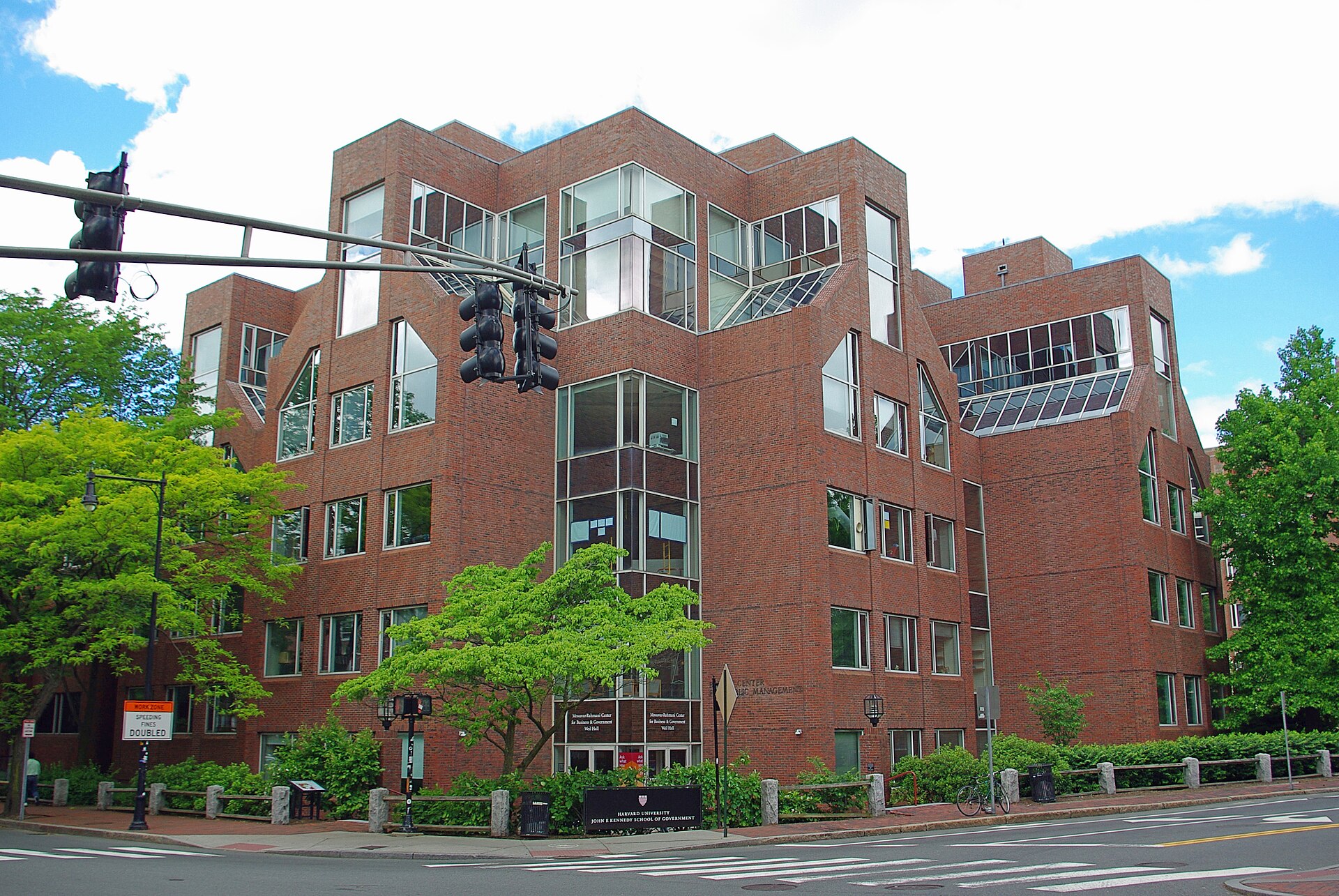
Young Americans are heading into the Nov. 3 midterms less likely to say they will definitely vote than in the last two midterm cycles, but those who do plan to vote favor Democrats by a wide margin, according to the fall 2026 Harvard Youth Poll released this week by the Institute of Politics at Harvard Kennedy School.
The 53rd edition of the poll surveyed 2,024 Americans ages 18 to 29 from Sept. 30 to Oct. 7, the IOP said. Among likely voters, defined as those who say they will definitely vote, Democrats lead Republicans 63% to 26% on the generic congressional ballot, with 10% undecided. Among all registered young voters the lead is 45% to 24%.
Turnout intent is down. One-third of young Americans, 33%, say they will definitely vote, compared with 40% at the same point in both 2018 and 2022, the poll found. It was 27% in 2010 and 26% in 2014. The drop is steepest among Republicans: 34% of young Republicans say they will definitely vote, compared with 46% in 2022 and 43% in 2018. Among young Democrats, it is 50%, compared with 51% and 54%. That 16-point partisan gap is up from five points in 2022 and 11 in 2018.
Within the GOP, the poll found that 50% of young people who identify with the MAGA movement say they will definitely vote, compared with 29% of non-MAGA Republicans. Only 31% of young Republicans consider themselves part of the movement. Young men's intent to vote dropped from 42% in 2022 to 31%; among young women it slipped from 37% to 35%.
The mood is grim. Just 9% say the country is headed in the right direction, matching the poll's record low from spring 2024, while 62% say it is on the wrong track. Sixty-nine percent say they feel more fearful than hopeful about America's future. Young Republicans are the exception: 52% hopeful and 45% fearful.
Money is at the center. Nearly half, 49%, say their personal finances have worsened since the current administration took office, compared with 11% who say they have improved. For the first time in the poll's history, more young Americans expect to be worse off financially than their parents (27%) than better off (25%). Seventy-seven percent disapprove of President Donald Trump's handling of the economy, including 48% of young Republicans.
Among likely young voters, 63% describe their congressional vote as opposition to Trump and his policies, compared with 14% who describe it as support.
Cost of living tops the list of issues, cited as important by 91% of registered young voters with at least an even chance of voting, followed closely by corruption in government at 88%. Sixty-four percent see artificial intelligence replacing jobs as a serious threat to their financial security, a concern shared by 76% of Democrats and 61% of both Republicans and independents. Majorities support a 2% annual tax on household wealth above $50 million (54%) and a national health insurance program often called Medicare for All (57%).
"Young voters are poised to deliver a sharp rebuke to President Trump, while the broader generation is sending a message to everyone in power," said John Della Volpe, the IOP's director of polling. Sophia Robertson, student chair of the Harvard Public Opinion Project, which helps run the poll, said young people are "turning toward populist economic ideas and candidates who actively respond to the crises they face."
The poll's full question wording and crosstabs are in the IOP's topline document. What the poll cannot say: whether stated intent translates into actual turnout, which historically lags what young people tell pollsters.