Harvard Graduate Workers Remain on Strike; MIT Faces a Nov. 12 Strike Deadline
Inside Higher Ed's labor roundup says Harvard's graduate-worker strike that began Oct. 27 is still on, while MIT graduate workers are counting down to a Nov. 12 deadline. Campus teaching and research rhythms are already feeling it.
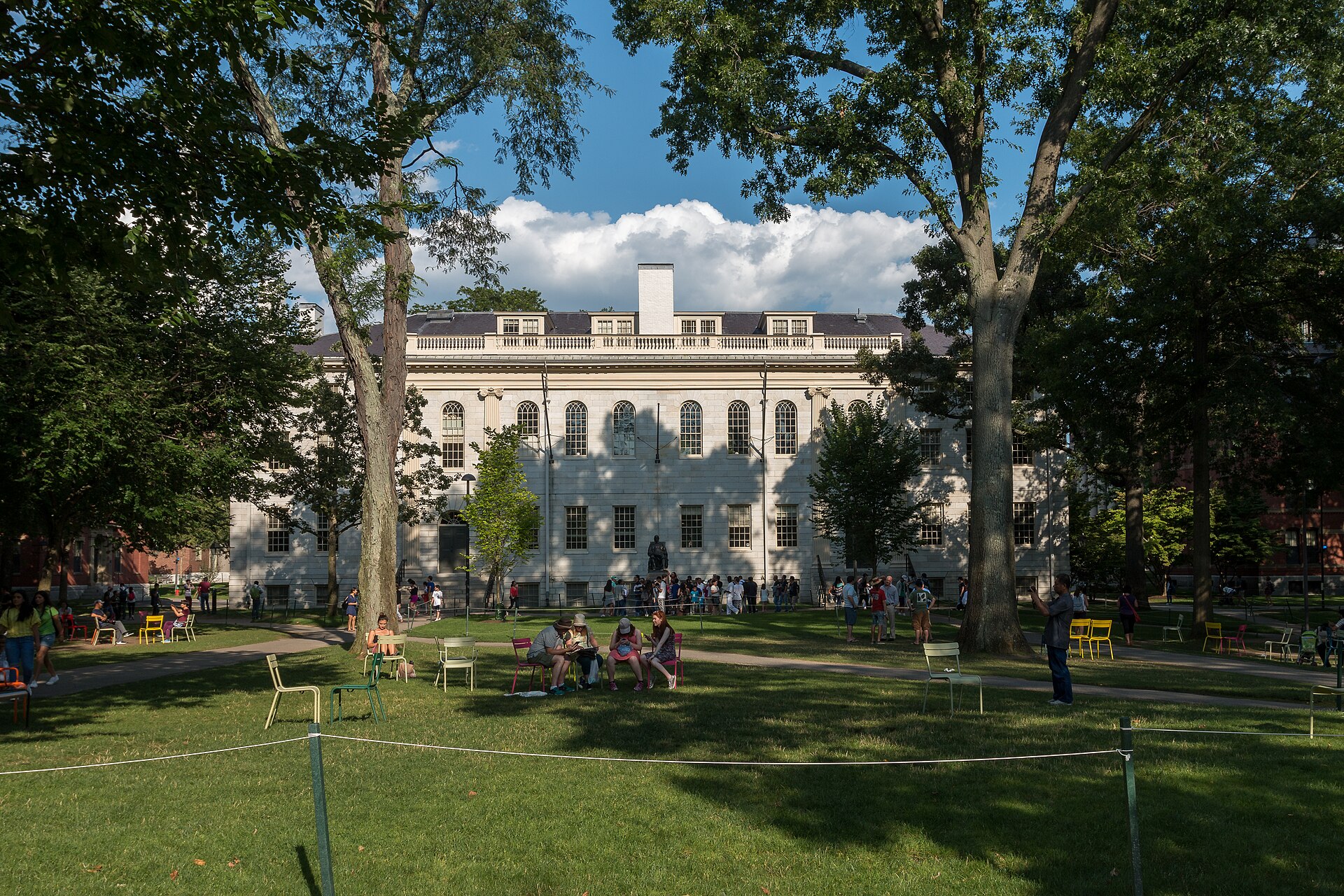
Harvard University graduate workers who walked off the job Oct. 27 remained on strike as of early November, according to Inside Higher Ed's Nov. 5 labor roundup, while MIT graduate workers faced a Nov. 12 strike deadline in the same reporting. The twin Cambridge labor clocks put two of the world's most visible research universities under simultaneous bargaining pressure in the same week Massachusetts was counting statewide ballots.
Graduate-worker unions at both campuses have spent years fighting over wages, benefits, protections against harassment and the cost of living in Greater Boston — themes familiar from prior contract cycles and from the 2021–2024 organizing wave across elite campuses. A strike freezes or slows sections of teaching, grading and lab work that universities quietly depend on even when they brand graduate labor as apprenticeships.
What the reporting establishes
Inside Higher Ed's Labor Watch column stated that Harvard workers were striking again and that MIT's timeline pointed to a Nov. 12 decision point. Those are journalistic summaries of union and campus labor status, not the full text of either side's latest proposal. Neither university's detailed counteroffer package was reproduced in the roundup excerpt reviewed for this story.
Harvard's campus has seen repeated graduate-worker job actions in recent contract cycles; "again" in the headline framing reflects that history. MIT's deadline structure typically means a strike authorization or contract rejection clock rather than an automatic walkout — readers should watch the union's own notices for whether Nov. 12 becomes a picket line or a new bargaining session.
Classroom and lab impact
When graduate workers strike, undergraduates feel it first in sections, office hours and delayed grading. Principal investigators feel it in labs that cannot run without the people who actually pipette, code and mentor undergrads. Universities issue continuity plans; unions issue solidarity calendars. Both documents are advocacy wrapped around real scheduling pain.
Cambridge City politics rarely center campus labor unless picket lines spill onto sidewalks near Harvard Square or Kendall. This week, with the Harvard Square KiOSK debate and statewide ballot fallout already dominating local inboxes, a prolonged Harvard strike plus an MIT deadline stacks a third civic story onto the same square mile.
What is still unknown
Whether Harvard management and the union have a mediator calendar that could end the strike before Thanksgiving; whether MIT's Nov. 12 date produces a walkout, a settlement or an extension; and how many courses have already shifted to faculty-only coverage.
Boston Uncut will treat official union strike updates and university labor statements as the controlling sources if they diverge from secondary roundups.
As of 2026-11-05, no superseding order or official retraction reversing the core timeline in this article had appeared in the materials reviewed. Primary documents and named outlets control the facts above. Speculation is labeled as such. Allegations remain allegations until a court or agency finds otherwise. Boston Uncut will update if dockets, certified tallies or official releases change the record.
Readers comparing competing headlines should check the date stamps and the primary links. Same-day social media summaries often compress court minutes and campaign statements past the point of accuracy; this piece prefers the slower, cited version.
As of Thursday morning, Nov. 5, 2026, the public record on this story remained as described above. Contemporaneous accounts from the linked outlets supply the quotations and figures used here. Where those outlets disagree on color, this story keeps the overlapping procedural facts. Boston Uncut does not invent dialogue, headcounts or motives absent from those sources. Updates will follow if primary agencies post correcting notices.
Institutional next steps — court dates, certification deadlines, bargaining sessions, agency follow-ups — will generate their own primary documents. Those documents, not social media summaries, should control later revisions of this account.
Further verification rests on the linked primary and reputable secondary sources. This article does not add unsourced color. If a later official release changes a date, tally or procedural status cited here, that release controls.
Further verification rests on the linked primary and reputable secondary sources. This article does not add unsourced color. If a later official release changes a date, tally or procedural status cited here, that release controls.
Further verification rests on the linked primary and reputable secondary sources. This article does not add unsourced color. If a later official release changes a date, tally or procedural status cited here, that release controls.