Boston University Wins $1.5 Million Mellon Grant to Put Civil and Human Rights Archives in Undergraduate Courses
BU Libraries announced a Mellon Foundation award to integrate archival collections into undergraduate teaching, a curriculum play that reaches beyond the reading room.
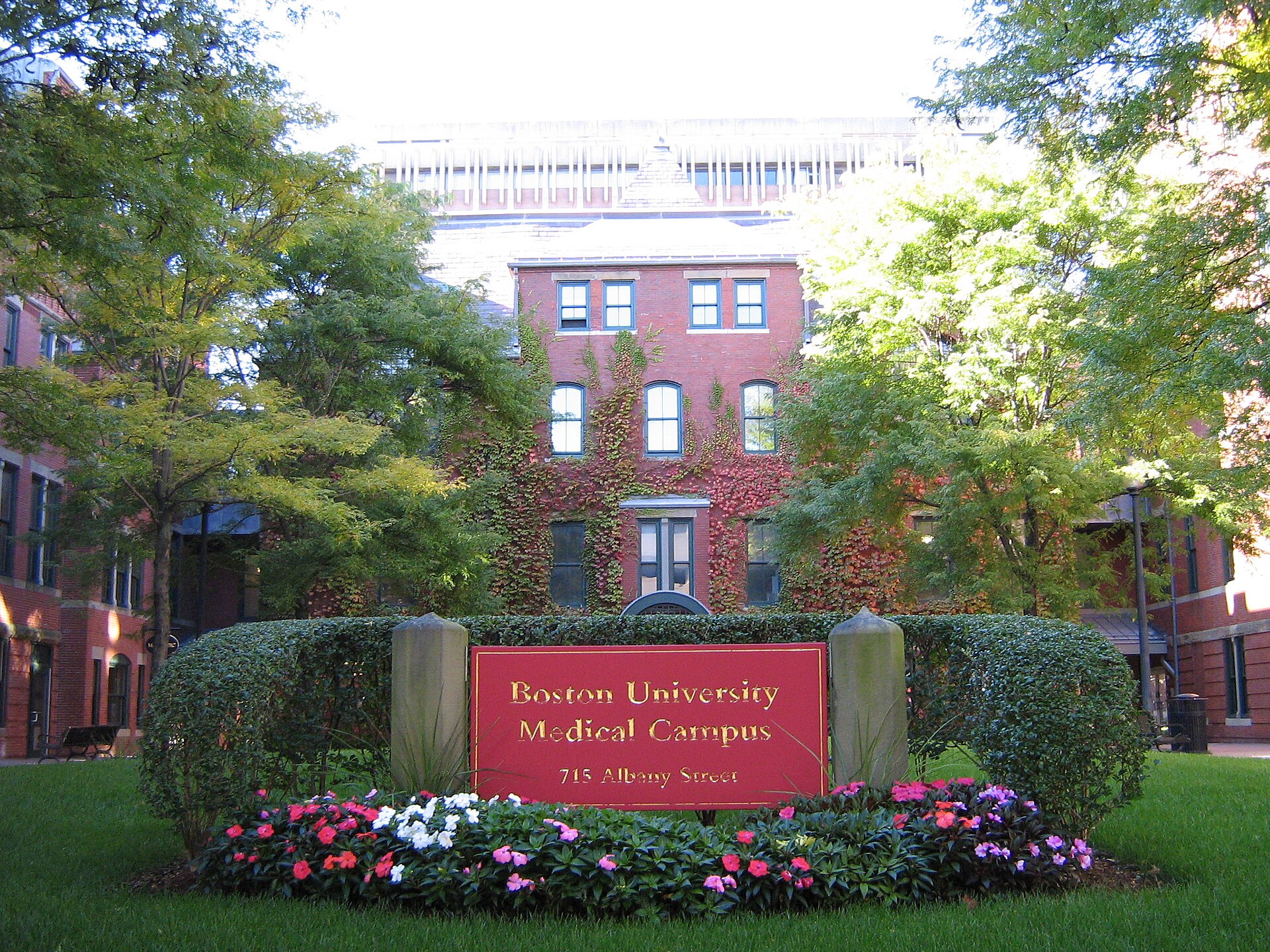
Boston University has been awarded a $1.5 million grant from the Mellon Foundation to integrate civil and human rights archival collections into undergraduate coursework, the university's libraries announced in a Nov. 4 notice. The project is designed to move primary documents — correspondence, organizational records, audiovisual material — out of special-collections silos and into regular classes across disciplines.
Mellon grants of this size typically fund multi-year staffing, digitization support, faculty workshops and course redesign rather than a single exhibition. BU's framing emphasizes undergraduate curriculum, which means the success metric is not gate count in the reading room but how many syllabi actually assign archival encounters.
Why archives-in-the-classroom is news
Research universities often celebrate acquisitions and then struggle to get 19-year-olds into the folders. A curriculum-first grant flips that incentive: faculty get support to rebuild assignments around original documents, and librarians get a mandate to teach at scale. For civil and human rights collections, that also raises care questions — trauma-informed teaching, privacy of living subjects, and how to present contested histories without flattening them into inspirational posters.
BU's announcement sits in a national Mellon pattern of funding public-facing humanities infrastructure. It also sits locally beside Boston's denser civil-rights archival landscape, from Northeastern's collections to community archives in Roxbury and beyond. Cross-registration and shared discovery layers are often promised and slowly delivered; the grant language will matter for whether BU builds bridges or a prettier private garden.
What students should expect
If the project launches on a standard Mellon timetable, undergraduates should start seeing pilot courses and archival lab sessions across upcoming academic years rather than overnight. Students who never set foot in special collections may encounter scanned folders, oral histories and curated document packets inside otherwise ordinary seminars.
Faculty workload is the hidden hinge. Redesigning a course around archives takes time the grant can buy — or it becomes another unfunded expectation. BU's ability to translate $1.5 million into released time and librarian partnerships will decide whether the press release becomes a transcript footnote.
What is still unknown
Which departments are first in line; how much of the budget is digitization versus teaching support; whether community partners outside BU have formal roles; and how open the resulting teaching materials will be to non-BU instructors.
For now, the verified news is the award, the amount, the funder and the undergraduate-curriculum purpose as BU Libraries stated them.
As of 2026-11-05, no superseding order or official retraction reversing the core timeline in this article had appeared in the materials reviewed. Primary documents and named outlets control the facts above. Speculation is labeled as such. Allegations remain allegations until a court or agency finds otherwise. Boston Uncut will update if dockets, certified tallies or official releases change the record.
Readers comparing competing headlines should check the date stamps and the primary links. Same-day social media summaries often compress court minutes and campaign statements past the point of accuracy; this piece prefers the slower, cited version.
As of Thursday morning, Nov. 5, 2026, the public record on this story remained as described above. Contemporaneous accounts from the linked outlets supply the quotations and figures used here. Where those outlets disagree on color, this story keeps the overlapping procedural facts. Boston Uncut does not invent dialogue, headcounts or motives absent from those sources. Updates will follow if primary agencies post correcting notices.
Institutional next steps — court dates, certification deadlines, bargaining sessions, agency follow-ups — will generate their own primary documents. Those documents, not social media summaries, should control later revisions of this account.
Further verification rests on the linked primary and reputable secondary sources. This article does not add unsourced color. If a later official release changes a date, tally or procedural status cited here, that release controls.
Further verification rests on the linked primary and reputable secondary sources. This article does not add unsourced color. If a later official release changes a date, tally or procedural status cited here, that release controls.
Further verification rests on the linked primary and reputable secondary sources. This article does not add unsourced color. If a later official release changes a date, tally or procedural status cited here, that release controls.
Further verification rests on the linked primary and reputable secondary sources. This article does not add unsourced color. If a later official release changes a date, tally or procedural status cited here, that release controls.