'People Centered, Not Data Centered': Students From UMass Boston, BU, Tufts, MIT and Northeastern Walked Out to Demand a Freeze on AI Development
The Boston walkout at the State House was part of a national Freeze AI Now! day organized by the group Irreplaceable, which wants binding federal AI rules by 2030. Students said they're worried about jobs after graduation.
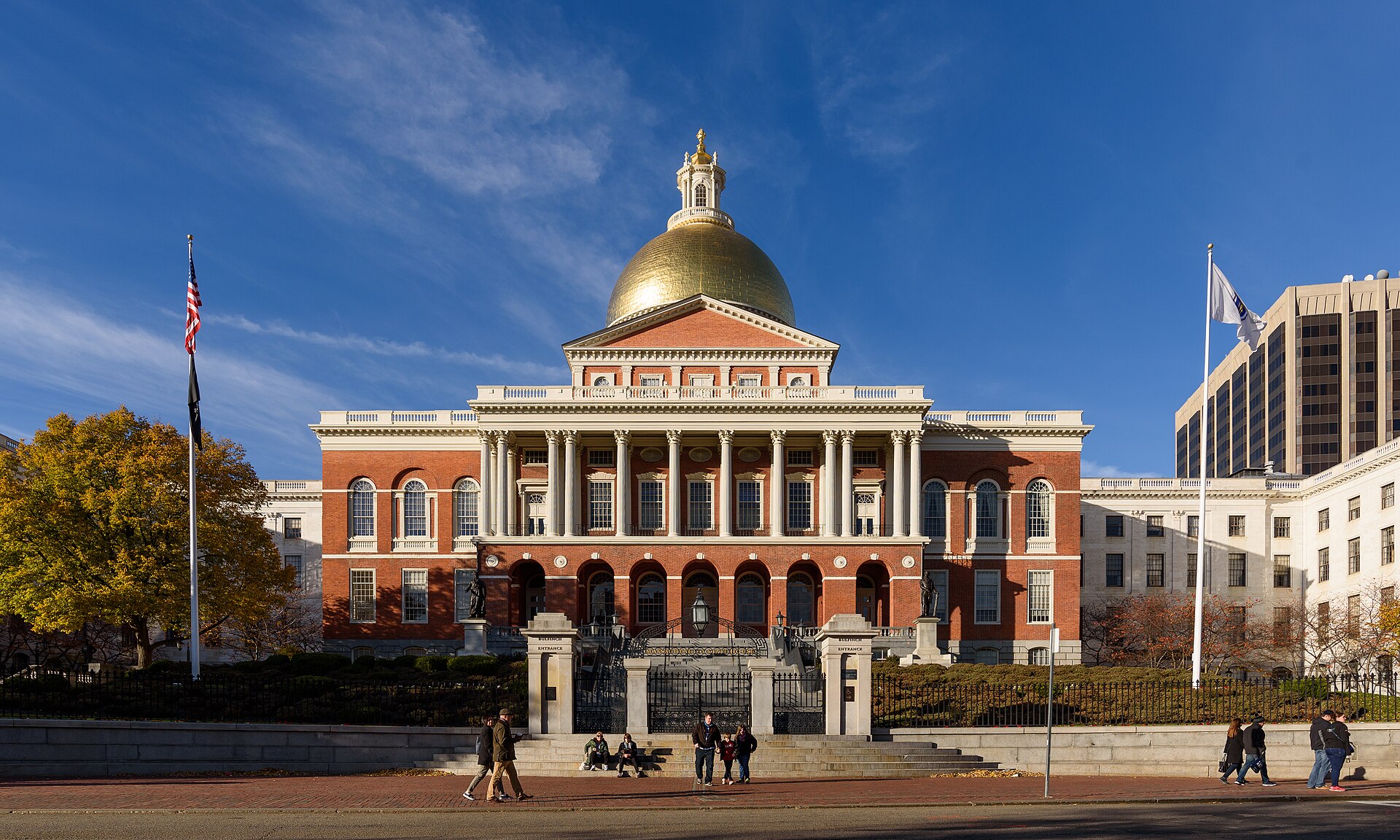
Students from colleges across Greater Boston walked out of class and gathered on the State House steps to demand a freeze on artificial intelligence development, The Mass Media, UMass Boston's independent student newspaper, reported in a Nov. 2 story.
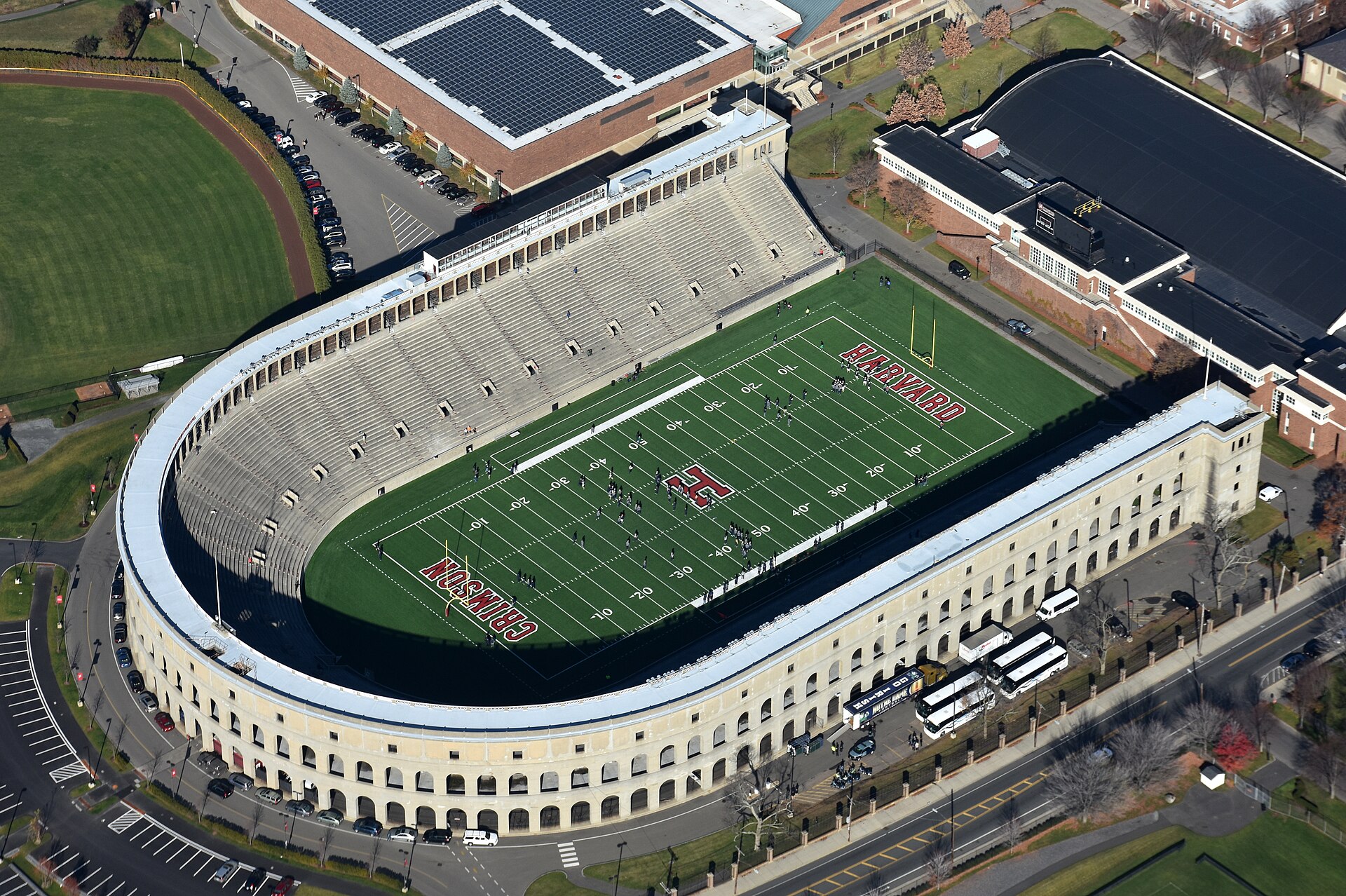
The Oct. 20 walkout was part of the national Freeze AI Now! campaign, with actions in Boston, New York, New Orleans, Philadelphia, San Francisco, Baltimore, Los Angeles and other cities, according to the paper. In Boston, participants included students from UMass Boston, Boston University, Tufts, MIT, Simmons and Northeastern. They met at the State House at 1 p.m.
<h3>What speakers said</h3>
'We cannot be equals in a world where knowledge and power is concentrated among a select few. Further, it should not be up to tech bros what happens to me, my family, my life, my community and the future of humanity,' one speaker said outside the State House, The Mass Media reported.
Gretchen Krueger, who works in AI policy research at Harvard, told the crowd: 'I am here today because we are in an AI crisis. The good news is the fight to stop this crisis is on. … It's a fight we can win.'
The crowd chanted 'People centered, not data centers!' according to the paper.
MIT graduate student Alice Cai told WCVB, as quoted by The Mass Media, that the turnout showed the issue cuts across politics. 'I hope that lawmakers can see that people really care about this issue, and it's people from all walks of life,' she said. 'We don't all agree politically, but when it comes to AI, we all feel that the public should have a say in the direction of this technology and also be able to benefit from it, because it was built on our data.'
<h3>Who organized it</h3>
The walkout was organized by Irreplaceable, a group named for the idea that people cannot be replaced by artificial intelligence, the paper reported. The group says it wants to turn scattered frustration into a movement strong enough to win federal legislation.
'Big AI is better that our anger stays fragmented and our action contained: a comment here, a complaint there. Our plan is to give voice to anxiety and anger about AI and build it into a movement powerful enough to win federal legislation,' the organization said, according to The Mass Media.
The group's stated goal is binding rules by Jan. 1, 2030: 'an economy where AI works for us all, essential freedoms are protected from systems built to strip them away, and there is a legal wall against developing AI that puts humans and the planet at risk,' Irreplaceable wrote.
Phil Aroneanu, the group's executive director, laid out three demands: 'An economy that works for everyone and not just Big AI and its executives; Keeping our essential freedoms intact against systems designed to strip them away; And a hard line against building machines that put all of us at serious existential risk.'
<h3>Jobs after graduation</h3>
Ari Rosenthal, one of the walkout's lead organizers, told GBH, as quoted by the paper, that the action was 'a bunch of people who are saying, "Hey, our futures are changing because of how AI is being developed, and it's being developed incredibly irresponsibly."'
'I used to be a student organizer myself … but when I talk to students, their concerns are about finding jobs after college, and also if there will be a society and democracy when they graduate,' Rosenthal said.
The Mass Media cited outside estimates on the job market, including a figure from theworlddata.com of a 20 percent decline in employment for software developers ages 22 to 25 in the first six months of 2025, and a National University estimate that 30 percent of U.S. jobs could be automated by 2030. Those figures come from the groups the paper named, and Boston Uncut did not independently verify them.
<h3>The data center question</h3>
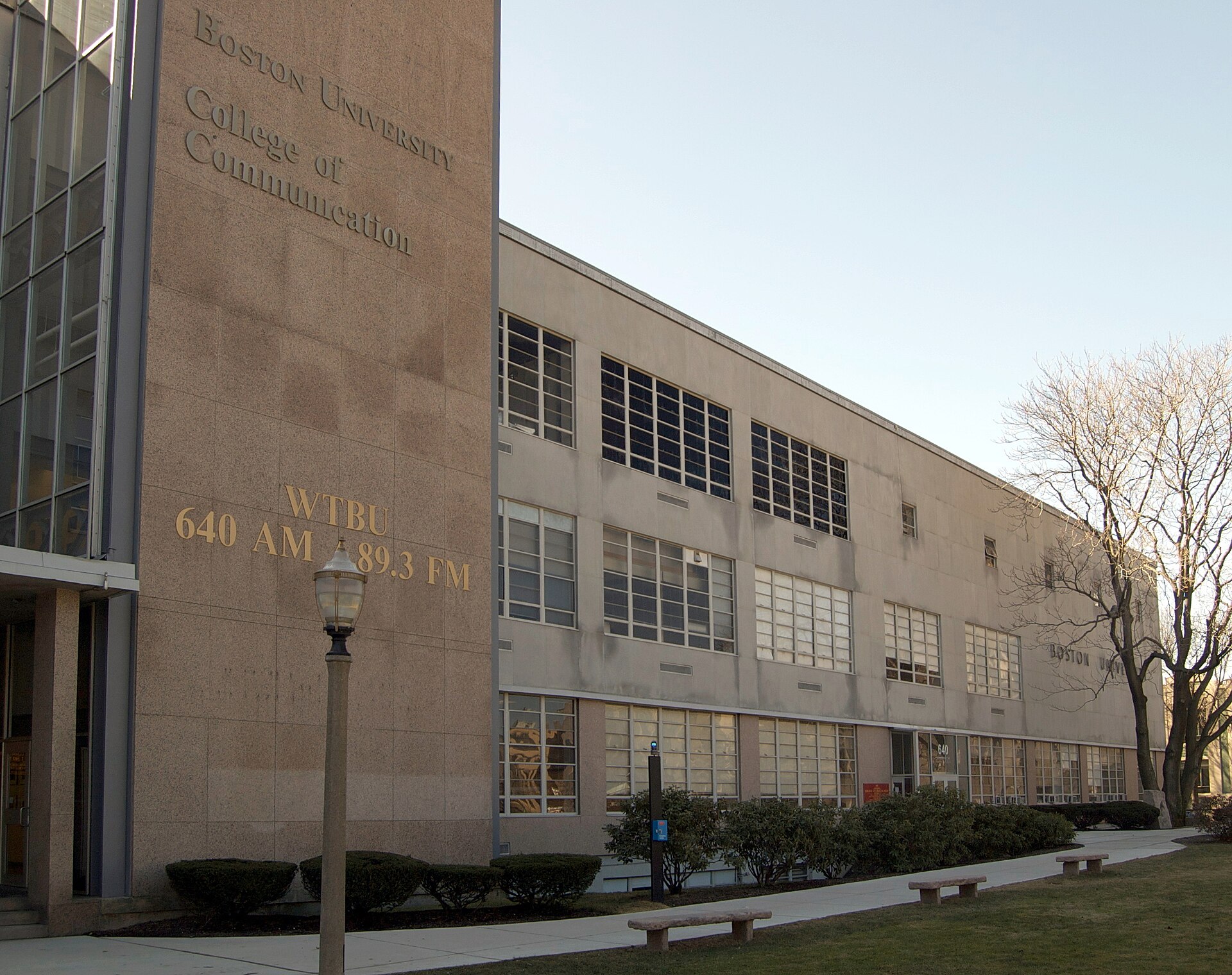
The chant about data centers lines up with new polling from Boston University. A BU College of Communication survey, run with the market research company Ipsos, found that just over half of Americans oppose data center construction and only about a quarter support it, BU's research news site, The Brink, reported Nov. 2.
The same poll found that people underestimate how much opposition there is. 'Just 21 percent believe Republicans oppose data center construction, though 37 percent actually do,' COM's news team reported. 'Only 28 percent believe the same of independents, though the true figure is 56 percent.'
<h3>Why it matters on campus</h3>
Colleges in Boston are both big users of AI tools and major centers of AI research, which puts students at the center of the argument. The walkout drew from schools with very different student bodies, from commuter-heavy UMass Boston to MIT, where some of the technology is being built.
Organizers said they want lawmakers to see the issue as one with broad public support. For now, the campaign is focused on federal legislation, and Irreplaceable has set a 2030 deadline for the rules it wants on the books.