Macron Says Only Union-Led Marches Will Be Allowed Saturday as France Deploys Troops and Elite Police
After violent cost-of-living protests on Oct. 17, Lyon has banned all demonstrations Saturday and Paris has approved only a union route from Bastille to Nation. The president called last week's violence 'seditious.'
French President Emmanuel Macron said Thursday, Oct. 22, that only demonstrations organized at the request of labor unions will be allowed this Saturday, as the government prepared what Prime Minister Sébastien Lecornu has called a "massive" security operation after cost-of-living protests turned violent across France last weekend.
Macron described the violence of Oct. 17 as "political and seditious acts, carried out by ultra-left groups, aimed at bringing down the Republic," according to the French public broadcaster franceinfo. Quotations from French officials in this story were translated from French.
Laying out what he called the doctrine for the coming days, Macron said that wherever demonstrations are requested "by people who have no legitimacy to do so, they will be banned by the prefects," franceinfo reported. For marches requested by unions, "we will propose alternative routes to protect our town centers and in particular our shops." He said a defense council on the social and security situation would meet Friday and that Lecornu would meet high school and university student organizations on Monday.
Local authorities moved quickly. The prefecture of the Rhône banned "any demonstration" in Lyon on Saturday, Oct. 24, citing a call to mobilize that was circulating and "the events of Oct. 17," when violence and looting broke out on the margins of protests, franceinfo reported.
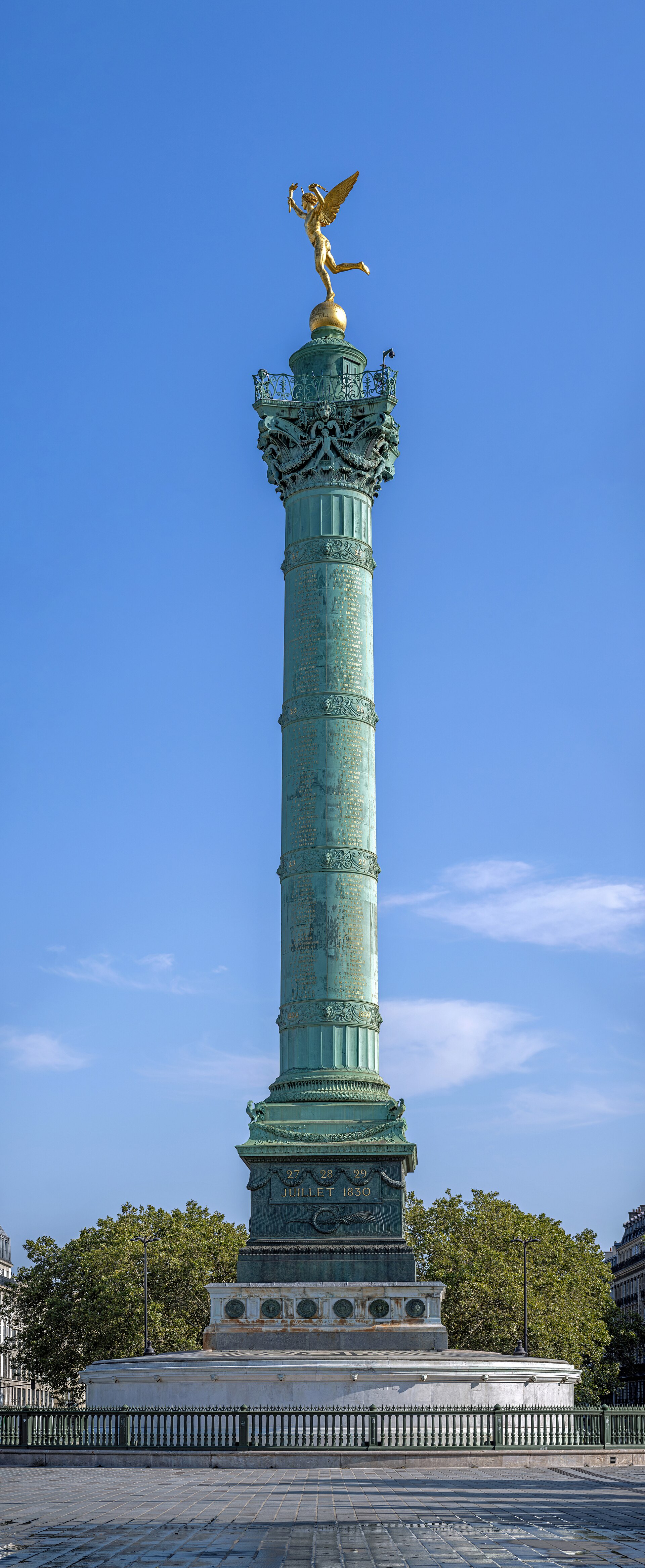
In Paris, the police prefecture approved a route declared by the CGT union from the Place de la Bastille to the Place de la Nation. A second route, declared by the student collective Interfac and several Yellow Vest groups from Bastille to the Place de l'Opéra, will be banned. "The abuses observed last weekend, as at the end of the last demonstrations, in particular on Oct. 13, call for the greatest caution in the choice of routes in order to enforce public order," the prefecture said. For Thursday, the prefecture also banned gatherings in several areas of Paris, including around the Élysée Palace, the prime minister's residence, the National Assembly, the Senate, the Louvre, the Champs-Élysées and train stations.
The government has also expanded its security plan. Speaking to the National Assembly on Tuesday, Interior Minister Laurent Nuñez announced that soldiers from Operation Sentinelle would be deployed, Euronews reported. Their mission would be "to replace internal security forces mainly on static guarding duties" in order to "free up police officers and gendarmes to carry out public-order missions," he said.
Operation Sentinelle was launched in January 2015 and has 10,000 soldiers deployed across France to defend against potential terrorist attacks, usually stationed outside sensitive sites such as places of worship, schools, tourist sites, train stations and airports, according to Euronews.
Nuñez also announced the mobilization of the gendarmerie's GIGN tactical unit and the police's elite RAID and BRI units, along with helicopters and water cannons, franceinfo reported. Centaure armored vehicles, 14.5-ton four-wheel-drive gendarmerie trucks first used during the unrest of 2023, will also be deployed. Nuñez said the goal was "a doctrine more focused on responsiveness and mobility, to go after these scattered groups that are extremely mobile" and that had put police in difficulty the previous Saturday.
On Thursday, Jean-Didier Berger, the minister delegate to the Interior Ministry, told BFMTV that the level of police mobilization would be "20% higher than it was last week," according to franceinfo. A police source told franceinfo that police rest days were likely to be canceled during the All Saints' school holiday, and that the target was to deploy about 80,000 people in total, comparable to the deployment of Dec. 8, 2018, during the Yellow Vest movement, when 89,000 officers were mobilized nationwide, including 8,000 in Paris.
The government has faced criticism for its handling of last Saturday's protests and has acknowledged failures, franceinfo reported. Nuñez compared the planned reinforcement to the response in July 2023, after the death of Nahel, a teenager, in Nanterre set off nationwide anger. Macron on Thursday convened the country's intelligence services, which have been accused of failing to anticipate the scale of the mobilization.
Investigations into last weekend's violence continue. A second suspect, a 66-year-old man, was arrested early Thursday in the Creuse department in connection with a fire at the Limoges city hall, with help from the RAID unit's Bordeaux branch, prosecutor Emilie Abrantes said, according to franceinfo. He was taken into custody on suspicion of organized destruction of property by means dangerous to people.
Opposition leaders have criticized the government's focus on policing. The government "cannot treat solely as a security matter a subject that is first of all political," Socialist Party leader Olivier Faure said on franceinfo Thursday morning. Lecornu was scheduled to meet party leaders Thursday afternoon, alongside Nuñez and Justice Minister Gérald Darmanin.
"The general instruction is no demonstrations in the coming days," Macron said, according to franceinfo.
Sources
- franceinfo: Live coverage of the Oct. 24 mobilization; Macron says only union marches will be allowed (Oct. 22, in French) (opens in a new tab)
- franceinfo: First details of the 'massive' security plan for Oct. 24 (in French) (opens in a new tab)
- Euronews: France vows massive security operation involving military forces for expected weekend protests (Oct. 20) (opens in a new tab)