Record-Warm Pacific Is Fueling Back-to-Back Typhoons Across East Asia, and Forecasters Say the Worst May Not Be Over
Equatorial sea temperatures hit 4C above normal, the highest since 1949. Storm energy in the region is forecast near double the 30-year average.
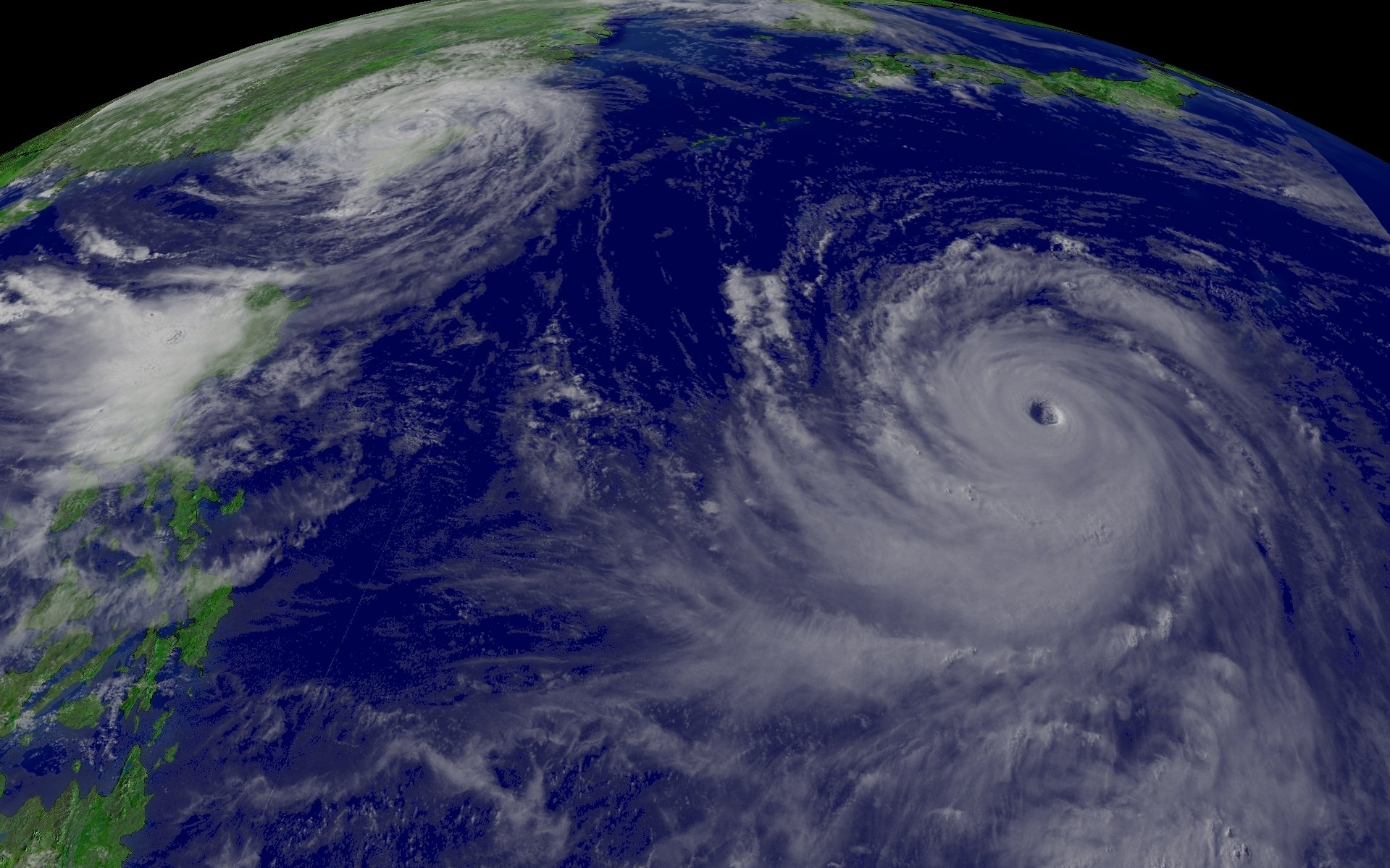
A run of intense storms intensified by El Niño has killed dozens, closed major airports and destroyed crops and infrastructure across the Philippines, Taiwan, China and Japan, the BBC reported.
Last month, sea surface temperatures in the equatorial Pacific monitored by the Japan Meteorological Agency rose 4C above normal, the highest since records began in 1949, beating the 3.6C record from December 1997. The UK Met Office has forecast this El Niño to be the "strongest in living memory," likely lasting until February or March.
The storms
In October, Typhoon Champi, equivalent to a Category 5 hurricane with 295 km/h (193 mph) winds, skirted Taiwan, shutting down nearly the whole island and cancelling hundreds of flights in Hong Kong, Taiwan and Japan. In June, two storms approached Japan at once, forcing one million people to evacuate. Super Typhoon Dolphin churned for 16 days in August before hitting eastern China, causing floods and dozens of casualties.
Accumulated Cyclone Energy for South East and East Asia is forecast to be nearly double the 30-year average. "It can go into convulsions soon," said Ana Liza Solis, head of climatology at the Philippines' weather bureau, comparing the Pacific to someone "burning with fever."
Preparing
Japan has urged citizens to stockpile food and secure outdoor furniture; China is upgrading warning systems; the Philippines and neighbors are boosting support for rice farmers. Manila climatologist Rafaela Jane Delfino's simulations found warmer conditions raised total rainfall from past monster storms by 26%. The UN Development Programme said the window for governments to act is "closing."
What is still unknown
Forecasters cannot yet say how many more typhoons will form before the season ends.
The developments described above are drawn from contemporaneous reporting by BBC. As of Thursday morning, equatorial sea temperatures hit 4C above normal, the highest since 1949. Storm energy in the region is forecast near double the 30-year average. Boston Uncut will update this account if primary agencies release additional records, schedules or statements that change the public facts. Readers seeking the underlying documents should consult the linked sources, which carry the full quotations and agency attributions used here. Where allegations appear, they are labeled as allegations; where vote totals or rankings are cited, they reflect the figures published by the named outlet or agency at the time of reporting.
Coverage of "Record-Warm Pacific Is Fueling Back-to-Back Typhoons Across East Asia, and Forecasters Say the Worst May Not Be Over" sits alongside related Massachusetts and national developments this week. The factual spine of this story remains the linked reporting; any interpretation beyond those facts is limited to describing what the record does and does not yet show. Unanswered questions noted above are not speculation — they are gaps in the public record as of the most recent updates reviewed for this article on 2026-11-05.
Public agencies and courts often release follow-up statements days after an initial announcement. This article reflects the record available Thursday. It does not assert motives that officials have not stated, does not invent quotations, and does not treat complaints or charging documents as findings of guilt. Where numbers come from unofficial election returns or preliminary investigative findings, that status is noted in the sourcing.
The account above is limited to facts published by the linked outlets and agencies as of 2026-11-05. Headline claims such as those reflected in "Record-Warm Pacific Is Fueling Back-to-Back Typhoons Across East Asia, and Forecasters Say the Worst May Not Be Over" are traced to those sources rather than to unsourced social media or anonymous tips. Where officials have not answered a question — motive, timeline, responsible office, or next procedural step — that gap is stated as unknown rather than filled with conjecture. Readers can verify quotations and figures by following the source links; Boston Uncut does not alter quoted language except for standard ellipses noted in the original reporting when a quote was already shortened there.
Context for local readers: Equatorial sea temperatures hit 4C above normal, the highest since 1949. Storm energy in the region is forecast near double the 30-year average. That framing is descriptive, not a prediction of how courts, councils, leagues or agencies will rule. If a primary document — a docket entry, a certified tally, a signed order, an official release — later contradicts a secondary summary used here, the primary document controls and this article should be read as outdated on that point. Allegations in charging papers remain allegations until adjudicated; election returns described as unofficial remain subject to certification deadlines.
Massachusetts and Boston institutions named in this reporting — including city departments, state agencies, campus administrations and professional teams — routinely publish follow-up statements after the first-day story. This piece does not claim to anticipate those statements. It records what was knowable from the cited material on the morning it was prepared, with section subheads added only to organize confirmed facts for readers.