Israel's President Opens Coalition Talks After an Election With No Clear Winner and Record Arab Turnout
Neither Netanyahu's bloc nor Gadi Eisenkot's has a majority. Arab-led alliances won an unprecedented 19 seats.
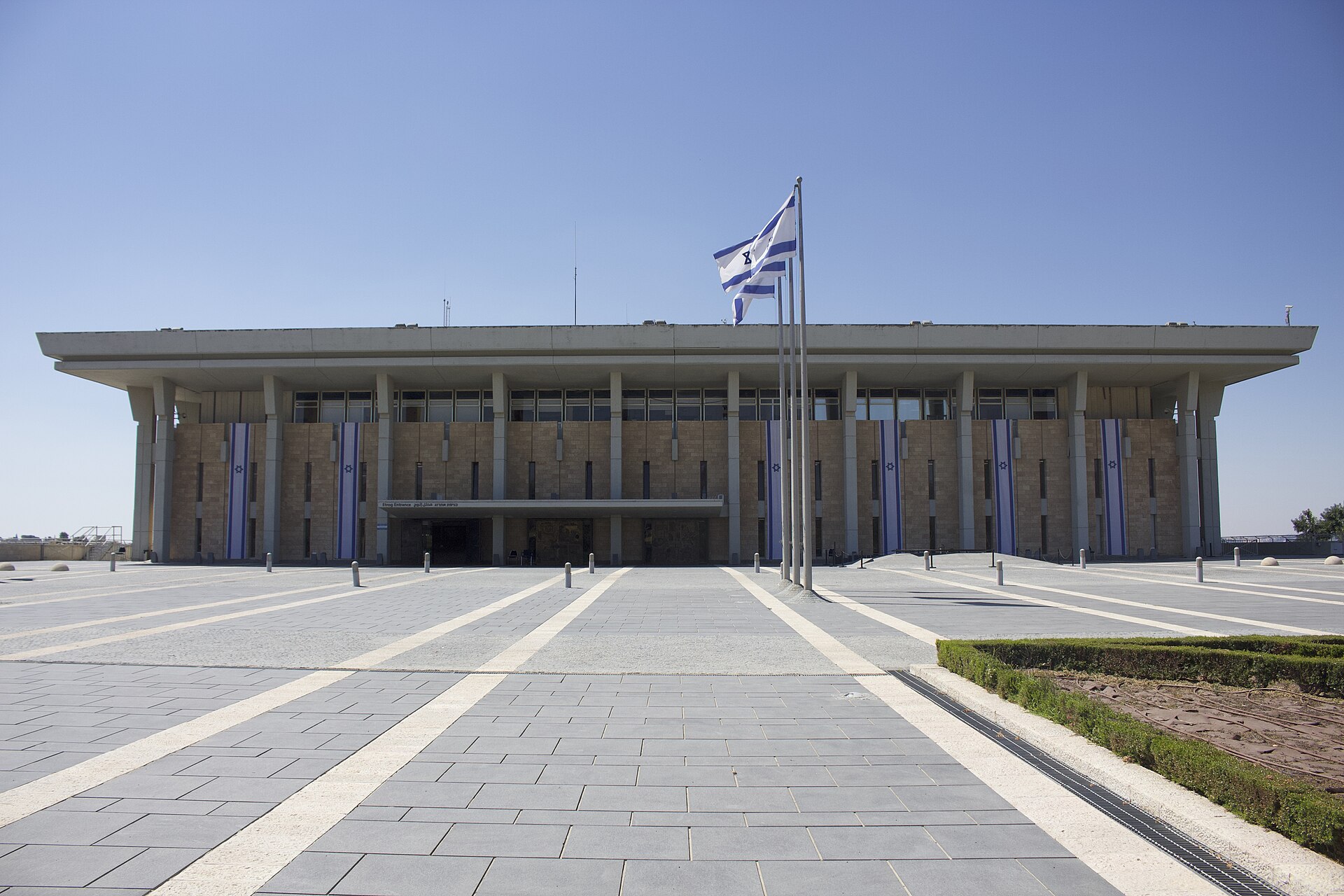
Israeli President Isaac Herzog began consultations Wednesday with political parties on whom to task with forming a government, after receiving official results of last week's election, which he said had no clear winner, the BBC reported.
Neither Prime Minister Benjamin Netanyahu's bloc nor that of his rival Gadi Eisenkot secured a parliamentary majority. Two Arab-led alliances, the United Arab List and the Joint List, together won an unprecedented 19 seats after a surge in Arab turnout, making them potential kingmakers, though all but one of the Jewish parties pledged not to work with them.
Results certified
Electoral officials said there was no evidence of irregularities and that unsubstantiated claims from Netanyahu's camp that Arab-led parties were "stealing" the election did not justify delaying certification. "In recent days, we have heard voices trying to cast doubt on the election results and to undermine their legitimacy. This is a real danger," said Central Elections Committee chairman Justice Noam Sohlberg.
The Shin Bet security service is investigating alleged foreign interference. Sohlberg said intelligence appeared to point to a "widespread phenomenon involving the influx of substantial funds into Israel from foreign states," but stressed it would not fundamentally change the outcome.
Herzog's warning
"Not every commitment and promise can be fulfilled" if parties want to avoid another election, Herzog said. He condemned "racist expressions" and said Arab citizens "must not be smeared." The nominee will have 28 days, with a possible 14-day extension, to form a government.
Additional reporting
BBC HomepageSkip to contentAccessibility HelpYour accountHomeNewsSportEarthReelWorklifeTravelCultureFutureMusicTVWeatherSoundsMore menuMore menuSearch BBCHomeNewsSportEarthReelWorklifeTravelCultureFutureMusicTVWeatherSoundsClose menuBBC NewsMenuHomeClimateWorldUS & CanadaUKBusinessTechScienceEntertainment & ArtsHealthMoreIn PicturesBBC VerifyNewsbeatWorldAfricaAsiaAustraliaEuropeLatin AmericaMiddle EastIsrael's president begins consultations with parties after election deadlockImage source, ReutersImage caption, President Isaac Herzog received the official results from the Central Election Committee on Wednesday morning
Israel's President Isaac Herzog has begun consultations with political parties on whom to task with forming a new coalition government, after he received the official results of a general election last week he said had no clear winner. Herzog told party leaders that "not every commitment and promise can be fulfilled" if they want to avoid a new election.
Neither the bloc of Prime Minister Benjamin Netanyahu nor his rival Gadi Eisenkot secured a majority in parliament. Earlier, electoral officials said there was no evidence of irregularities and that unsubstantiated claims by Netanyahu's camp of Arab-led parties "stealing" the election did not justify delaying the results' certification.
The Shin Bet security service is investigating allegations of foreign interference in the election, but the head of the Central Elections Committee stressed that they would not fundamentally change the outcome. Israeli opposition accuses Netanyahu of trying to 'delegitimise' election Published5 days agoHow could Israel break election deadlock? Here are four scenarios
Published7 days agoIsrael's election deadlock is a sign of the country's deep divisions Published28 OctoberIn the election on 27 October, Netanyahu's right-wing Likud party and its far-right and ultra-Orthodox Jewish allies won 53 seats in the 120-seat Knesset. Eisenkot's centrist Yashar party and three other Jewish opposition parties in his bloc won 48.
The role of Israel's president is largely ceremonial, but after an election they have the role of inviting a Knesset member to form a government. That person will be given 28 days to do so, with a potential 14-day extension. The president has wide discretion to pick someone they believe has the best chance of building a coalition. They do not have to choose the leader of the party with the most seats.
On Wednesday morning, Herzog was presented with the official results by Central Elections Committee chairman Justice Noam Sohlberg at a ceremony in Jerusalem. Herzog announced that he would begin the consultation process on Wednesday evening. The president also expressed confidence in the Shin Bet's ability to investigate the allegations of foreign interference in the election and appealed for patience.
But he warned that Arab Israelis - who make up about one fifth of the population and often refer to themselves as Palestinian citizens of Israel - "must not be smeared". Earlier, Sohlberg told a meeting of the Central Elections Committee that the Shin Bet's intelligence appeared to point to a "widespread phenomenon involving the influx of substantial funds into Israel from foreign states", some of which were hostile.
It believed further investigation was needed to "connect the dots and determine the scale of the phenomenon with a high degree of certainty", he said. Last week, Israeli media reported that the committee had been presented with a claim that Qatar had provided funding aimed at increasing voter turnout in Arab communities. Qatar's foreign ministry said it categorically denied the allegation.
Far-right National Security Minister Itamar Ben-Gvir, the leader of the Jewish Power party and an ally of the prime minister, called on the Shin Bet to arrest all the leaders of Arab parties and interrogate them "until these suspicions are fully clarified". Joint List chairman Yousef Jabareen accused Ben-Gvir and the prime minister of attempting to "steal the election from the public".
What is still unknown
Herzog has not said whom he will nominate.