Comey Charged for a Third Time, in a Sealed Filing That His Lawyers Say Came After the Statute of Limitations Ran
A criminal information unsealed Monday accuses the former FBI director of disclosing national defense information to a reporter in 2016. He denies wrongdoing and has moved to dismiss.
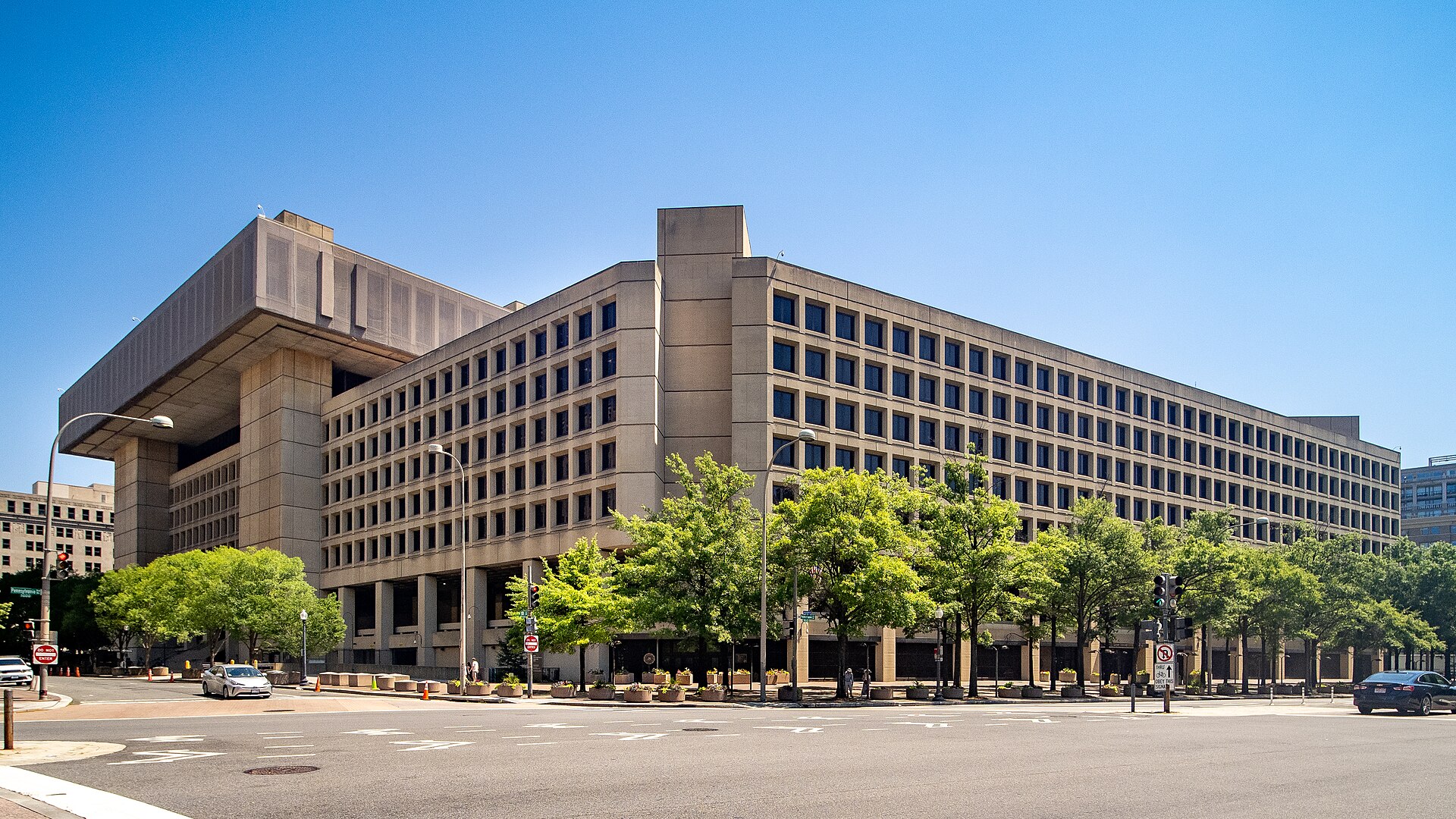
The Justice Department has charged former FBI Director James Comey for a third time, according to a court filing unsealed Monday in U.S. District Court in Washington, D.C., at Comey's request, CNBC reported. The charging document, called an information, accuses him of knowingly communicating information related to national defense to a person not entitled to receive it and of conspiring with others to violate the law against sharing such information. These are allegations, and Comey has denied wrongdoing.
The information says Comey, "through one or more co-conspirators," directed an unnamed individual "to disclose national defense information to a reporter for a national news publication," CNBC reported. Comey's lawyers say in a motion to dismiss that the filing concerns an alleged disclosure of classified information to The New York Times on Oct. 5, 2016, and that the episode "was investigated by two separate U.S. Attorneys over the past ten years. Both declined to prosecute."
The department filed the information on Oct. 5 and asked a judge to seal it, citing the risk that an ongoing criminal investigation would be compromised if the charges became public, according to CNBC. Judge Trevor McFadden granted the request that day. The department agreed Comey should be notified. His lawyers filed a motion to dismiss on Oct. 9, arguing that the 10-year statute of limitations for bringing a grand jury indictment over events of Oct. 5, 2016, had expired. They accused the department of filing "a faulty information under seal" to put the statute of limitations on hold. They asked McFadden to unseal the filing Monday and he agreed.
Comey's attorney, Patrick Fitzgerald, said in a statement quoted by CNBC from The Associated Press: "For the third time in little more than one year, the Department of Justice has attempted to charge Mr. Comey with a federal crime. Mr. Comey steadfastly maintains his innocence." In a video message on Substack, Comey said: "Well, they're back, again," and called the case "an appalling abuse of the Department of Justice." He said, "It would almost be funny if it weren't such an appalling abuse of the Department of Justice, one that we cannot become numb to," and "I still believe in the independent federal judiciary." He added, "The next couple of years are going to be hard for all of us." The department's response to the motion to dismiss was not included in the reporting reviewed.
The new case surfaced hours after a federal judge in New York ruled that the Justice Department unlawfully fired Comey's daughter, Maurene Comey, last year as an assistant U.S. attorney in the Southern District of New York, CNBC reported. That ruling is separate from the charges against her father.
The earlier cases are also unresolved or ended. Comey was first indicted in September 2025 by a federal grand jury in Virginia on charges of making a false statement and obstruction over Sept. 30, 2020, Senate testimony. A judge dismissed that indictment on Nov. 24, 2025, after ruling that Lindsey Halligan, the interim U.S. attorney who obtained it, had been invalidly appointed. The same judge dismissed an unrelated indictment against New York Attorney General Letitia James that day.
A second case, in federal court in North Carolina, charges Comey with threatening the president over an Instagram post of seashells arranged to form "86 47." Prosecutors say "86" is code for suggesting someone kill the president, who is the 47th. Comey has denied wrongdoing and is asking a judge to dismiss that indictment.
The statute-of-limitations question in the new case is likely to be central. The information was filed Oct. 5, 2026, ten years to the day after the alleged disclosure, and the dispute turns on whether that sealed filing counts for the limitations period; the reporting does not show that the court has ruled on the question. McFadden has not set a schedule in the accounts reviewed. Both sides have yet to argue the motion in open court.