China Says Preventing a New War in the Gulf Is Its 'Top Priority,' After Hosting Iran, Saudi Arabia and Oman in One Day
Beijing's foreign ministry spelled out its aims Wednesday as U.S.-Iran tensions rose. Its Middle East envoy will tour Iran, Oman and Saudi Arabia this month.
China said Wednesday that preventing a return to full-scale hostilities in the Middle East was the "top priority" of its diplomacy in the region, two days after President Xi Jinping and Foreign Minister Wang Yi held back-to-back meetings in Beijing with Omani, Iranian and Saudi leaders, according to The Straits Times and other outlets.
"The top priority is to avoid the resumption of hostilities in the Middle East that would bring disaster to the region's people," foreign ministry spokeswoman Mao Ning told a news conference on Nov. 4, The Straits Times reported, citing AFP.
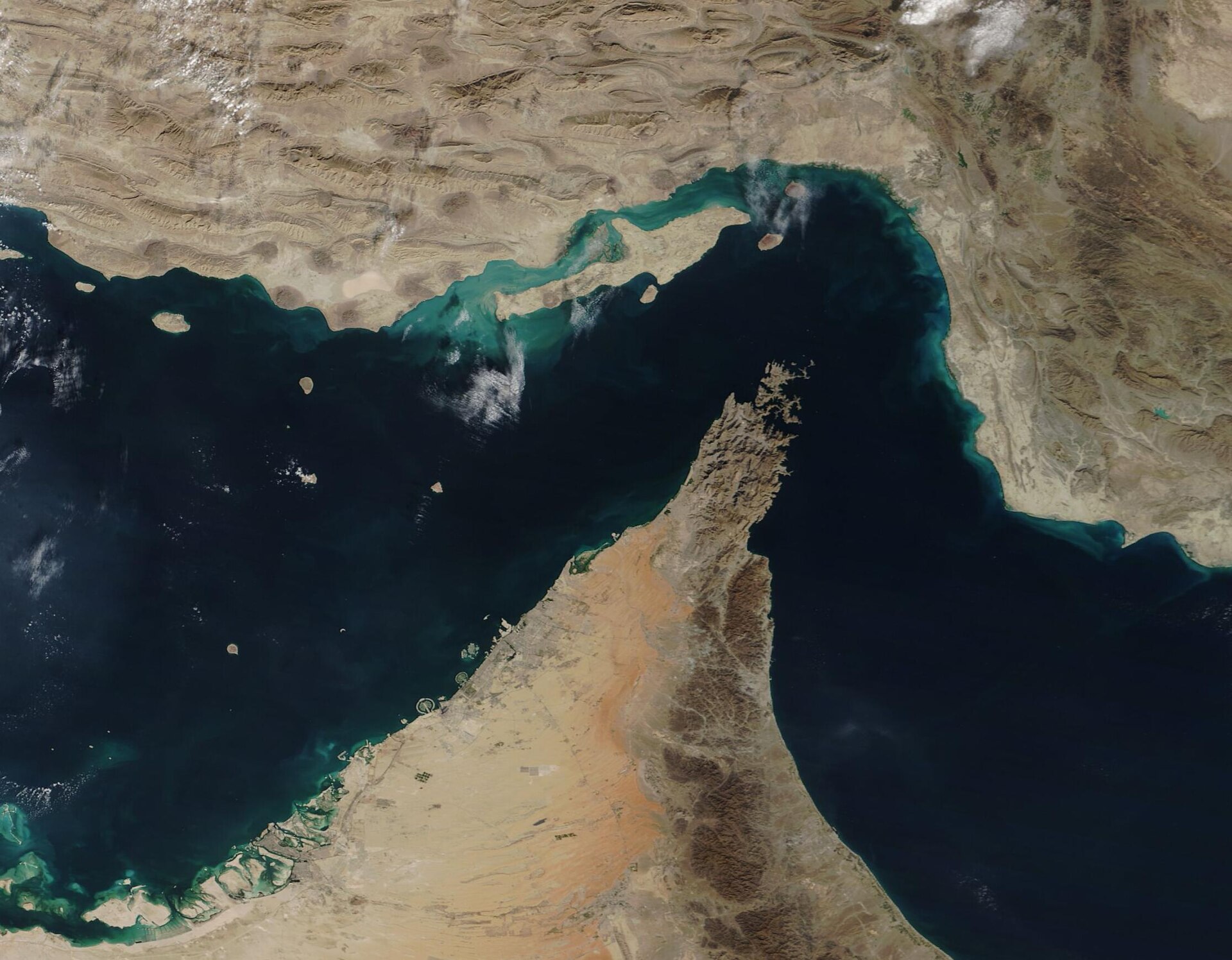
Beijing will "support Iran and the US in resolving disputes through negotiations, promote finding a political settlement to the Yemen issue, to help reach a proper and comprehensive solution for the opening of the Strait of Hormuz," she said.
The Nov. 2 meetings
Xi met Oman's Sultan Haitham bin Tariq on Monday for the first visit to China by an Omani head of state since diplomatic ties were established, according to CNA. Al Jazeera described it as the first Omani head-of-state visit since 1978. Xi told the sultan China was ready to "contribute to peace, stability and prosperity in the region" and that the Middle East should not become a "wrestling ground for major-country rivalry and geopolitical conflicts," the state news agency Xinhua reported, according to CNA.
In a joint statement afterward, the sultan said Oman supported Chinese peace proposals for the Middle East and looked forward to a "greater role" for Beijing, Reuters reported via Al-Monitor.
Wang met Ali Bagheri Kani, deputy secretary of Iran's Supreme National Security Council, and told him Beijing supports Tehran in "safeguarding its own sovereignty and security," according to a Chinese statement cited by CNA. He told Bagheri Kani that dialogue and negotiation remained "the only viable path forward" as conflicts "drag on and risk further spillover," Al Jazeera reported.
Wang also met Saudi National Security Adviser Musaad bin Mohammad al-Aiban. Afterward, he said the regional situation "has again reached a critical crossroads between war and peace," and that China hopes all parties "can resolve differences and end hostilities through dialogue and negotiations, and safeguard the region's energy and shipping lane security," according to Reuters. Al-Aiban delivered a letter from Saudi Crown Prince Mohammed bin Salman addressed to Xi, China's foreign ministry said.
"All parties should ... in a spirit of reason and pragmatism, focus on a political solution rather than once again resorting to armed conflict," Wang said, according to CNA.
Reuters reported it was not immediately clear whether the Iranian and Saudi officials had any contact with each other in Beijing.
Shuttle diplomacy
Later this month, Beijing will send its Middle East envoy to Iran, Oman and Saudi Arabia for "shuttle diplomacy visits ... aimed at promoting peace talks (and) easing tensions," a foreign ministry spokesperson said, according to CNA and The Straits Times.
Why Beijing is involved
China is Iran's biggest trading partner and the largest buyer of Iranian crude, Al Jazeera reported. Beijing has consistently blamed the United States and Israel for starting the war, which began more than eight months ago with U.S.-Israeli strikes on Iran, according to Al Jazeera and CNA. The new round of diplomacy came days after President Donald Trump issued a fresh threat of war against Iran, The Straits Times reported.
The backdrop this week
On Tuesday, Iran's top security official called the U.S. response to Iran's seven conditions for reopening the Strait of Hormuz "not convincing," while Qatar said both sides remained committed to talks, Al Jazeera reported. Trump confirmed a U.S. strike on an Iranian anti-aircraft facility near the strait, and Iran's Revolutionary Guard claimed four tankers struck mines.
Qatar and Pakistan are mediating between Washington and Tehran, according to CBS News, and Egypt's foreign minister, Badr Abdelatty, said he urged Iran's foreign minister by phone to show "flexibility to find a political way out and spare the region military escalation." China's statements this week did not describe any coordination with those mediators.
What is not known
Beijing has not said whether its envoy will meet U.S. officials, or whether it has passed any proposal between Tehran and Washington. Neither Iran nor Saudi Arabia released detailed accounts of the Beijing meetings in the reports reviewed.
Sources
- The Straits Times (AFP): China says avoiding new hostilities in Middle East a top priority (opens in a new tab)
- CNA: China calls for Mideast dialogue in talks with Iran, Saudi, Oman (opens in a new tab)
- Al-Monitor (Reuters): China's Wang urges Middle East dialogue in meetings with Iranian, Saudi officials (opens in a new tab)
- Al Jazeera: China steps up Middle East diplomacy with Iran and Oman meetings (opens in a new tab)
- Al Jazeera: Iran says US reply to Hormuz plan 'unconvincing'; Trump confirms strikes (opens in a new tab)
- CBS News live updates: Iran war, U.S. negotiations (opens in a new tab)