Hormuz Talks, Day After the Vote: Iran Calls the U.S. Reply 'Not Convincing' as Strikes, Mines and a Downed Drone Test the Channel
Qatar says both sides remain committed to talks over Iran's seven conditions for reopening the strait. Here is what each government said on the record in the last 48 hours.
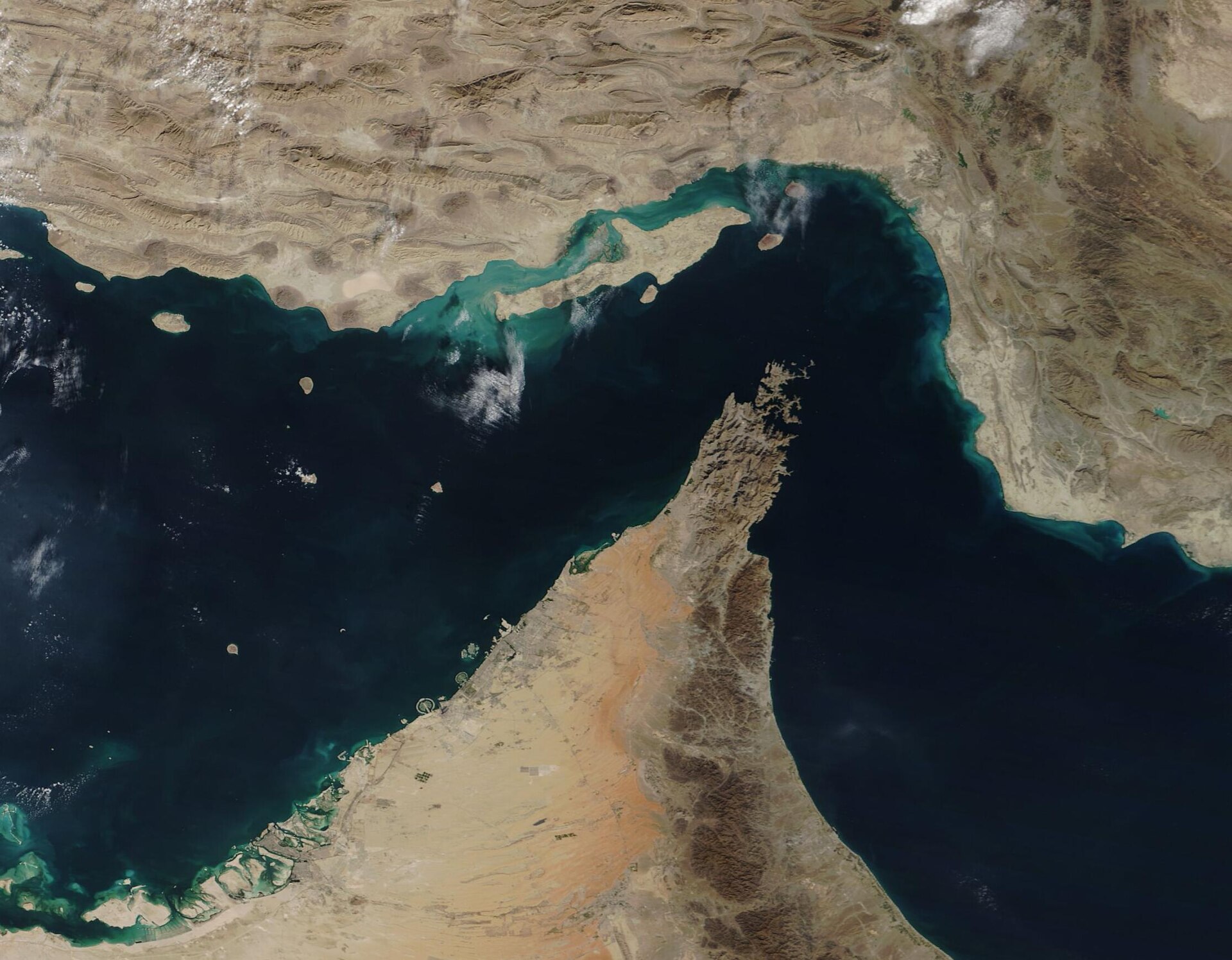
Indirect talks between the United States and Iran over reopening the Strait of Hormuz continued Wednesday, a day after Iran's top security official called Washington's latest response "not convincing" and President Donald Trump confirmed a U.S. strike on an Iranian air-defense site near the waterway, according to Al Jazeera and CBS News.
The talks center on an Iranian proposal to reopen the strait over two days if the United States meets seven conditions, including lifting sanctions and ending a U.S. naval blockade, Al Jazeera reported. CBS News reported that the plan also calls for unfreezing Iranian assets, paying for damage caused by bombing in Iran and ending all military action, including Israel's attacks in Lebanon, and that Washington is unlikely to accept most of the points.
What Iran said
"America's response to Iran's rights and demands was not convincing, and they must fully and explicitly address Iran's seven conditions and act upon them," Mohsen Rezaei, the secretary of Iran's Supreme National Security Council, wrote on X on Tuesday, according to Al Jazeera.
Iran's Islamic Revolutionary Guard Corps said in a statement carried by the Fars news agency that the country's armed forces and leadership would determine "the time and conditions for ending the enemy's attacks," CBS News reported. The statement said orders from the supreme leader had been conveyed to senior commanders "in line with 'maximum deterrence' as our top priority," but did not lay out a retaliation plan.
Supreme Leader Mojtaba Khamenei ordered the military over the weekend to respond to any threat immediately and without geographical limits and to update its target list, according to Al Jazeera, which reported that Iranian officials have suggested European countries and undersea cables in the Gulf could be targeted.
What the mediators said
Majed al-Ansari, a spokesperson for Qatar's Ministry of Foreign Affairs, said talks were continuing and both sides "remain committed to the negotiation process," with Qatar facilitating the "real-time exchange of proposals between" the two governments, Al Jazeera reported. CBS News reported that Pakistan is also mediating.
Egyptian Foreign Minister Badr Abdelatty said on X that he had urged Iran's foreign minister by phone to show "flexibility to find a political way out and spare the region military escalation," according to a CBS News translation.
What Washington said and did
Trump told Fox News on Tuesday that U.S. forces had struck an anti-aircraft facility. "They built an anti-aircraft facility. It took them about two months. We watched it get built. As soon as it was completed, we hit it last night," he said, according to Al Jazeera. Iranian media said the strike hit Qeshm Island near the strait. U.S. officials described the strikes to U.S. media as "defensive" and said they followed Iranian fire at an American aircraft.
Trump said, "I'm not looking to … kill lots of people," and, "If we have to, we'll have to," Al Jazeera reported. In the same Fox & Friends interview, he said, "We have total control of the Hormuz Strait," according to The Jerusalem Post. Al Jazeera reported that U.S. media, citing officials, said Central Command had prepared plans for strikes that could begin as early as Wednesday, when three U.S. aircraft carriers would be in the region. The Pentagon had not confirmed those plans in the reports reviewed.
On the water
The IRGC claimed Wednesday that four oil tankers were destroyed after hitting naval mines while trying to pass through a prohibited shipping lane south of the strait, and that two other vessels were detained, according to a statement carried by the official IRNA news agency and reported by Al Jazeera. The IRGC also claimed its air defenses shot down a U.S.-made MQ-9 drone over the strait at 4:30 a.m. local time, calling it the 56th it had downed. Neither claim had been independently verified.
Separately, the United Kingdom Maritime Trade Operations agency reported Tuesday that two unidentified projectiles struck a tanker's engine room about 14 nautical miles northeast of Limah, on Oman's coast, with no casualties. "Vessels are advised to transit with caution and report any suspicious activity to UKMTO, whilst authorities investigate," the agency said, according to CBS News. Al Jazeera said it could not be verified whether the UKMTO incident and the IRGC claims were linked.
Around the region
Saudi Arabia's coalition spokesman, Col. Turki Al-Malki, said a drone was intercepted over the country's oil-producing east on Tuesday evening, the second interception that day, CBS News reported. The Asian Football Confederation pushed the start of the 2027 Asian Cup in Saudi Arabia from Jan. 7 to Dec. 23.
Saudi Aramco reported third-quarter net profit of $36.3 billion, up from $26.9 billion a year earlier, and said it sold oil for an average of $95.20 a barrel, compared with $70.10 a year earlier, according to CBS News.
What is not known
Neither government has published the text of the U.S. response or of Iran's seven conditions. Claims by both militaries about strikes, mines and downed aircraft have not been independently confirmed.