Cambridge Council Votes 8-0 to Back a Local-Option Tenant Right to Buy, Pressing Beacon Hill Negotiators to Pick the House Version
The order cites 19 no-cause eviction filings in Cambridge in 2025 and a loss of about 163,000 low-cost rental units statewide. The House would let any city opt in; the Senate would cap a pilot at five communities.
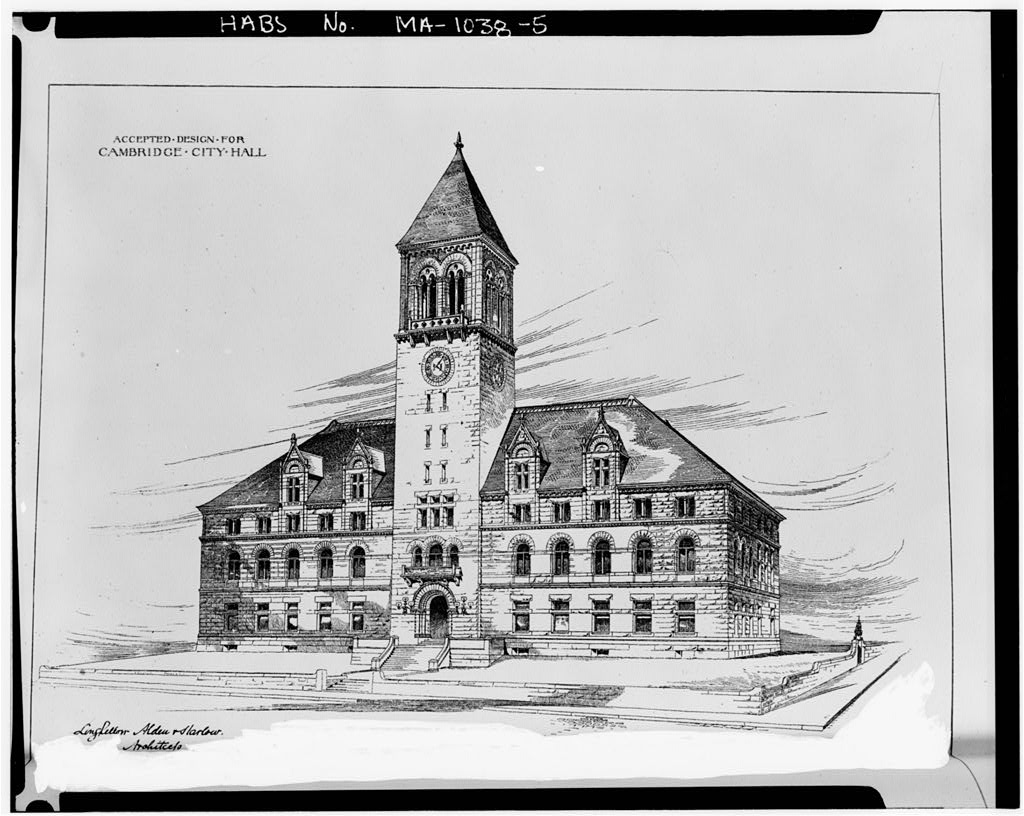
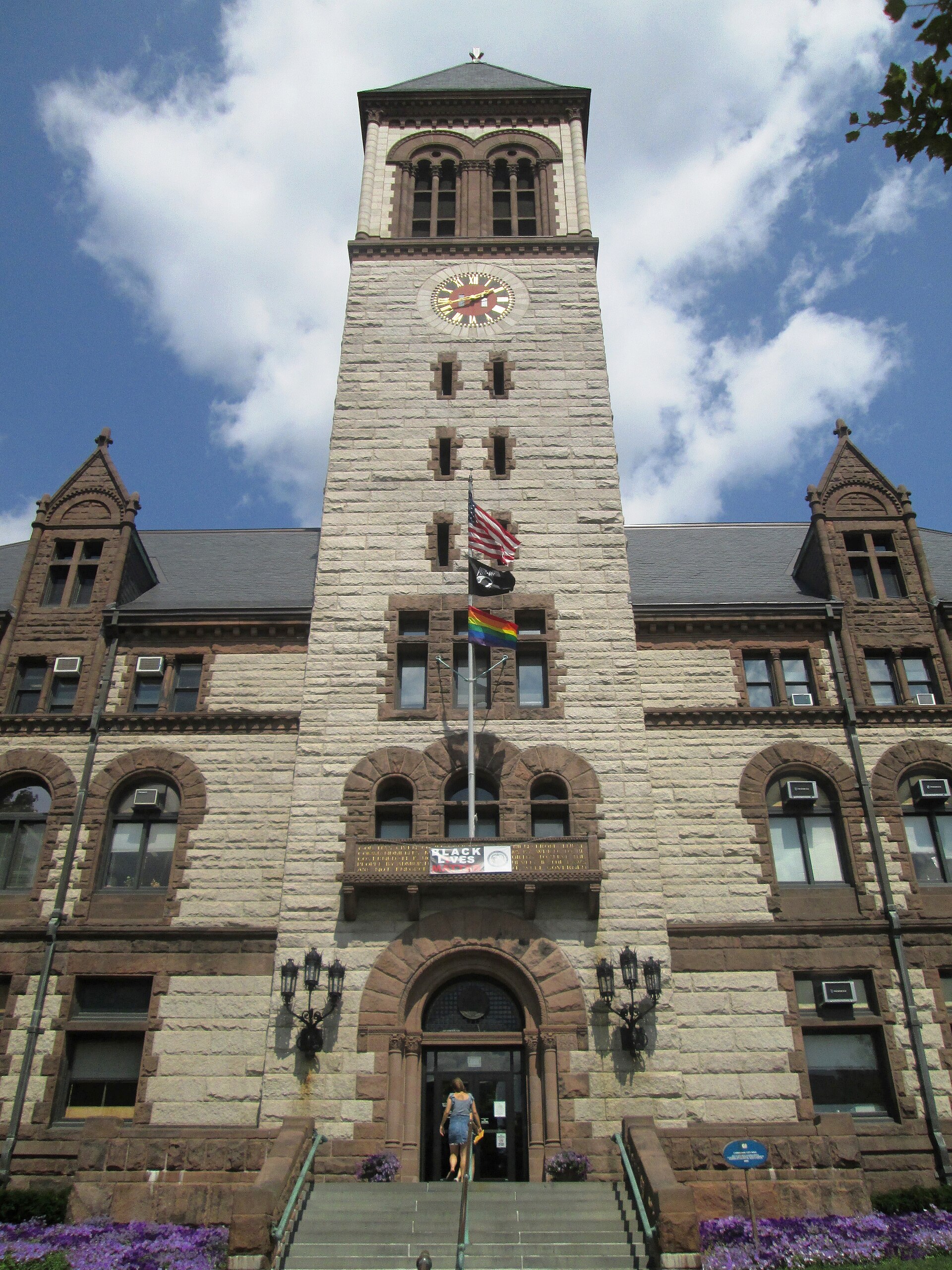
The Cambridge City Council on Monday voted 8-0, with Vice Mayor Azeem absent, to go on record in strong support of a Tenant Opportunity to Purchase Act and to urge the Legislature's conference committee on the economic development bill to adopt the House's local-option version, according to the council's Nov. 2 agenda and the vote record compiled by the Cambridge Civic Journal.
The policy order, PO26#207, was sponsored by Councillors Al-Zubi, Sobrinho-Wheeler and McGovern and Mayor Sumbul Siddiqui. A tenant opportunity to purchase law, known as TOPA, gives tenants in a multifamily building the chance to make an offer on, or match an outside offer for, their building when it is sold, or to designate a nonprofit organization to buy it on their behalf, according to the text of the order.
The order lays out why its sponsors want the law. It states that 19 no-cause eviction cases were filed in Cambridge in 2025, citing the Massachusetts Trial Court's summary process dashboard, and notes that landlords can bring such cases when a tenant has done nothing wrong, for example to clear a building before selling or renovating it. It also cites figures from Housing Navigator MA and the Metropolitan Area Planning Council that roughly two-thirds of low-income renter households in Massachusetts lack access to an income-restricted home and rely on the private market.
The sponsors also point to a broader loss of lower-cost housing. The Commonwealth lost about 163,000 rental units renting for less than $1,400 a month between 2012 and 2022, according to Harvard Joint Center for Housing Studies data cited in the order by way of the Boston Foundation and the Massachusetts Association of Community Development Corporations.
Those figures are the sponsors' supporting findings, not a city study of what TOPA would accomplish in Cambridge. The order does not estimate how many Cambridge buildings would change hands under such a law or how many tenants would be able to finance a purchase.
<h3>Two versions on Beacon Hill</h3>
The vote matters now because the Legislature is negotiating. The House and Senate have each included a version of TOPA in this session's economic development bill, H.5576, with the Senate text printed as S.3228, the order states. The two chambers appointed a conference committee on the bill on July 30, 2026.
According to the order, the House version lets any city or town adopt TOPA by local vote and exempts owners of six or fewer rental units in the community who live in Massachusetts. The Senate version instead creates a pilot of up to five years in no more than five communities that vote to accept it and apply to the Executive Office of Housing and Livable Communities, and directs that pilot toward communities with high rates of displacement.
The council asked the conference committee to adopt the House approach 'so that Cambridge and any other city or town that wants it can opt in,' and, if negotiators choose a pilot instead, to open it to communities with high displacement rates 'such as Cambridge.' The order also backs a Community Opportunity to Purchase Act, or COPA, which would give qualified nonprofit housing organizations a chance to bid on or match offers for multifamily buildings, and asks that tenants keep the ability to assign their TOPA rights to a qualified nonprofit.
Copies of the resolution are addressed to Gov. Maura Healey, House Speaker Ronald Mariano, Senate President Karen Spilka, the conference committee members, Representatives Aaron Michlewitz, Carole Fiola and Michael Soter and Senators Michael Rodrigues, Barry Finegold and Peter Durant, and the Cambridge State House delegation, according to the order.
<h3>A long history in Cambridge and at the State House</h3>
The order recounts that the Legislature last passed a local-option TOPA at the end of the 2019-2020 session, in H.5250, enacted as Chapter 358 of the Acts of 2020, but that Gov. Charlie Baker vetoed that section in January 2021. Cambridge councils have endorsed the idea repeatedly: on Feb. 5, 2018, the council voted 7-2 to support a state tenant right of first refusal bill, H.3017, and on April 12 and Oct. 18, 2021, it voted 8-1 to support the TOPA bills then before the Legislature, the order states.
To support its case, the order cites experience elsewhere. Washington, D.C., has had a tenant opportunity to purchase law since 1980, and of the 419 apartment building sales covering 16,962 units that were subject to it between 2012 and early 2023, tenants formed registered tenant associations in 158, according to the DC Policy Center as cited in the order. San Francisco has had a COPA since 2019, and qualified nonprofits have used it to preserve 230 units across 15 buildings, according to LISC, also as cited.
The D.C. figures show how often tenants organized under the law, not how often they bought their buildings. The order does not report how many of those 158 associations completed purchases.
<h3>What the vote does and does not do</h3>
Monday's order is a resolution. It does not create any right that a Cambridge tenant can use today. A tenant right to purchase would exist in Cambridge only if the Legislature passes a version of TOPA, the governor signs it, and, under the House approach, Cambridge then votes to opt in.
Supporters describe TOPA as a way to keep existing affordable homes occupied by the people who live in them. Critics of TOPA proposals in Massachusetts and elsewhere have argued that the notice periods and bidding rights could slow sales or discourage investment in rental buildings. Those are competing arguments about a policy; neither side's prediction has been tested in Cambridge.
The order also connects to a local step already underway. On Oct. 5, 2026, the council unanimously referred PO26#185 to its Ordinance Committee; that proposal would require owners to notify tenants when their building is put up for sale, which the order describes as 'a step that works alongside a state TOPA law but cannot replace it.'
The economic development bill remains in conference. No public schedule for a conference committee report was listed in the council materials. The council's next regular meeting is Monday, Nov. 9, at 5:30 p.m., according to its hearing schedule.